Across the United States this weekend, millions of couples are facing an unexpected conflict as they prepare for a historic winter storm. The disagreement is not about whether to prepare—it's about how much to spend and what items actually matter when facing days without power or the ability to leave home.
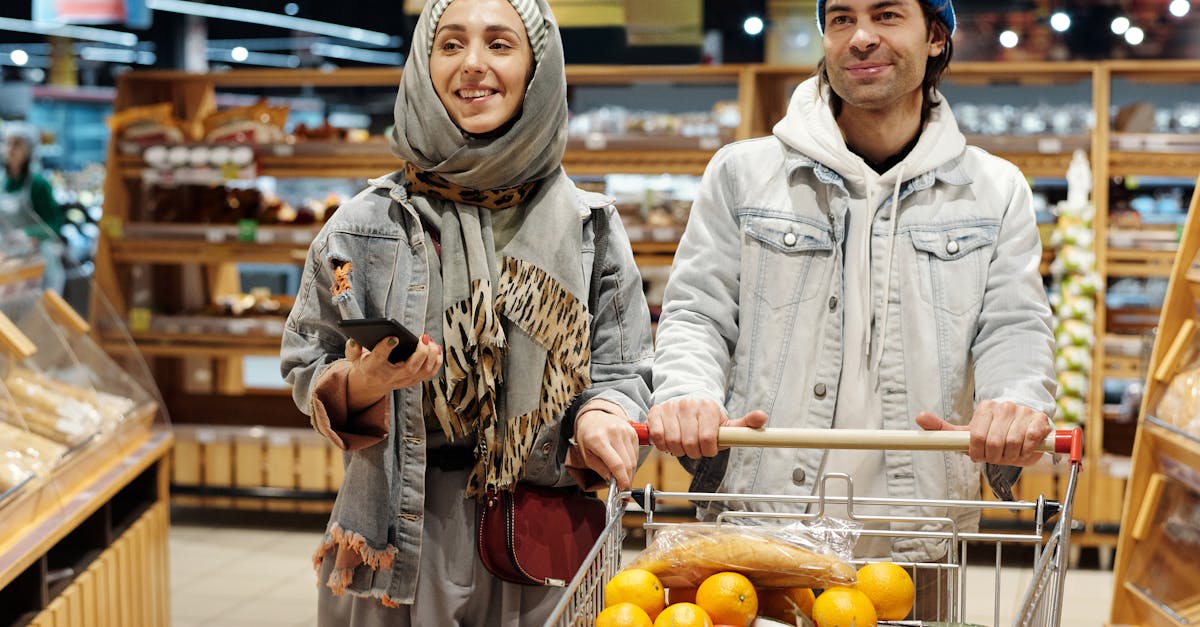
In Charlotte, North Carolina, Bernadette Joy and her husband AJ found themselves at odds on Friday morning over a simple trip to the grocery store. The couple knew they had four days ahead of them before things might reopen, but they could not agree on what that meant for their shopping list. Bernadette wanted to stock up on protein shakes, snacks, and other items she felt would be necessary for surviving the storm. AJ pushed back, saying they did not need to overspend on bulk purchases. The disagreement was real enough that it became a debate they had to settle.
Their experience is playing out in homes across more than 30 states this weekend. A winter storm watch has prompted widespread panic buying as Americans prepare for what could be a devastating few days. Grocery store shelves are emptying as people stock up on bread, milk, and other essentials. But the rush to prepare is creating tension between partners who have different ideas about what "prepared" actually looks like.
Background
The winter storm expected to impact the country from Thursday through Monday is no small weather event. Forecasters say it could affect more than 230 million people across the nation. More than 30 states could see at least six inches of snow, with some areas expecting ice and dangerous wind chills. In Chicago, residents are bracing for wind chills as low as minus 25 degrees. In Charlotte, forecasters are warning of up to one inch of ice.
When storms of this scale hit, people naturally think about what they might need if they get stuck at home. Power outages are a real possibility. Roads could become impassable. Stores could close for days. These are the practical concerns that send people rushing to grocery stores with carts full of supplies.
But there is a pattern here. When disaster approaches, people do not always think clearly about what they actually need. Past storms have shown this. Bread disappears from shelves. Milk vanishes. People buy far more than they could possibly use. This behavior is so common that experts have a name for it: panic buying.
Key Details
The Real Disagreement
Bernadette's approach to the storm was straightforward in her mind. She needed protein shakes. She needed snacks. She needed matcha cookies. When she thought about being stuck at home, her survival mode kicked in, and suddenly other items seemed essential too—even makeup remover wipes.
"My survival mode kicked in, and I'm like, 'Oh, I'm out of makeup-remover wipes.' He is thinking we don't need nonessentials. I'm thinking we need to stock up in case there's a snowpocalypse."
AJ saw things differently. In his view, they did not need to buy in bulk. They did not need to overspend. What they needed was food—actual meals for the four days ahead.
Anila Podila, 29, and her partner in Chicago are dealing with a similar split. Anila describes herself as a "what if" thinker. She wants to buy bulk boxes of chickpea cans and toilet paper. Her husband, who grew up in Minnesota and is used to winter storms, sees no reason to panic. He thinks they have what they need.
Understanding the Psychology
Psychologists who study this behavior say there is a reason couples are fighting about it right now. Recent major events have changed how people think about disaster. The 2021 Texas ice storm and the COVID-19 pandemic are still fresh in people's minds. Those events were worse than many people expected them to be. That memory creates a feeling of uncertainty.
People think: if things went that badly before, what if they go badly again? What if this storm is worse than the forecast says? That fear pushes people toward buying more, not less.
Smart Spending During a Storm
Experts have advice for couples trying to avoid overspending while still preparing properly. The first step is simple: check what you already have. Do not buy duplicates of things already in your pantry.
Next, be specific about numbers. If the forecast says things might be closed until Tuesday, that is four days. Four days means three meals a day. For two people, that is 24 meals. If your budget is $50 per day per person, you should not spend more than $200 at the grocery store. That number gives you a target to aim for.
Experts also recommend buying things that do not require electricity to prepare. Canned chicken, frozen vegetables, pasta, peanut butter, crackers, and nuts are all good choices. Powdered milk, canned beans, and rice work too. These items can become actual meals without a working stove or microwave.
Coffee and tea matter more than people think during a long storm. When power goes out, caffeine becomes important for morale. Citrus fruits like oranges are worth buying because they provide vitamins and minerals during a time when fresh food might not be available.
What This Means
Bernadette eventually won her debate with AJ. They went to Costco instead of the regular grocery store. But her victory came at a cost—the disagreement itself.
With 230 million people preparing for this storm, millions of couples are having versions of this same fight. Some will agree on how much to spend. Others will compromise. Still others will give in to their partner's approach and hope for the best.
The real question underneath all of this is about control and fear. When facing something uncertain, people react differently. Some respond by preparing more. Some respond by staying calm and rational. Neither approach is wrong. But when two people with different reactions are trying to prepare together, tension builds quickly.
The good news is that experts say honest conversations help. Before you go shopping, talk about what you actually need. Look at what you have. Do the math on meals. Agree on a budget. Make a list together. These steps take the emotion out of the decision and replace it with facts.
The winter storm will pass. Power will return. Roads will reopen. Stores will restock their shelves. But the couples who can navigate this disagreement without resentment will come out ahead. And that might matter more than whether they have protein shakes in the pantry.