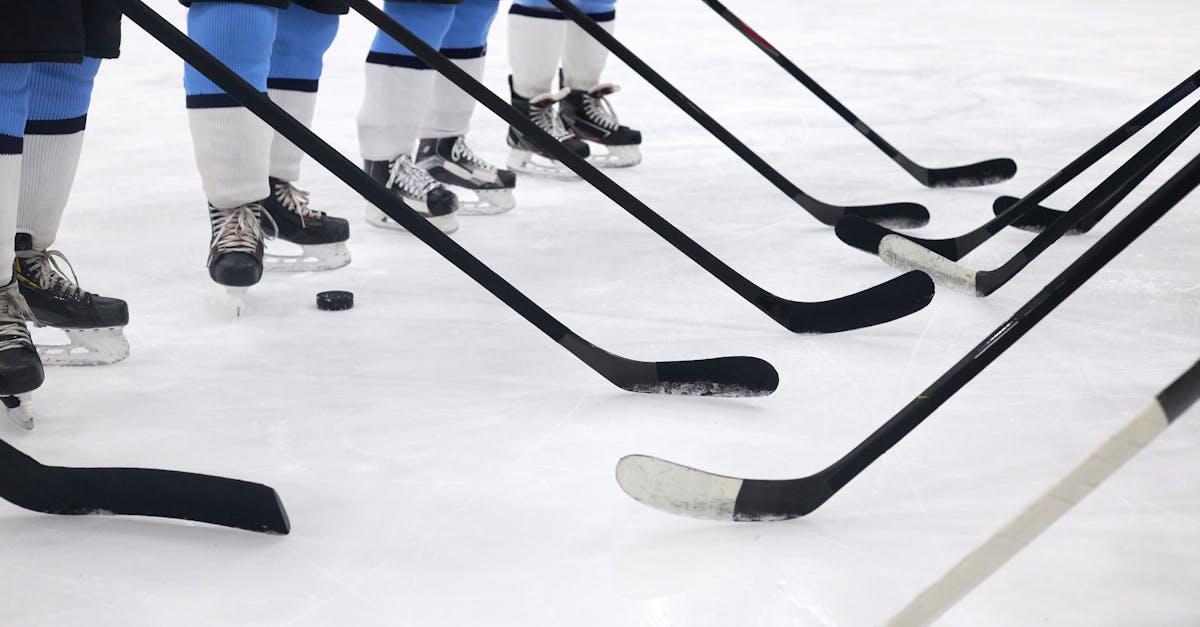
The men's hockey tournament at the 2026 Winter Olympics in Milano Cortina, Italy, kicks off on February 11 with NHL players returning to the Games for the first time since 2014. Twelve teams, including powerhouses like Canada, the United States, Sweden, and Finland, have set their rosters, filling the lineups with top scorers, defenders, and goaltenders from across the league. Games will take place in two Milan arenas, Santagiulia Ice Hockey Arena and Rho Ice Hockey Arena, as athletes chase gold through February 22.
Background
Hockey at the Olympics brings together the best players from national teams every four years, but the last time NHL stars joined was in Sochi back in 2014. A labor dispute kept them out of the next two Games in PyeongChang and Beijing. Now, with an agreement in place, every roster spot goes to active NHL players, except for host Italy, which will name its team later.
The tournament splits into three groups. Group A has Canada, Czechia, Switzerland, and France. Group B features Slovakia, Finland, Sweden, and Italy. Group C includes the United States, Latvia, Germany, and Denmark. Each team plays three preliminary games before all 12 advance to single-elimination playoffs. Team USA opens against Latvia on February 12, then faces Denmark on February 14 and Germany on February 15. Canada starts with Czechia on February 12, plays Switzerland the next day, and wraps group play against France on February 15. Slovakia takes on Finland first on February 11, followed by Sweden versus Italy.
These rosters build on recent events like the 4 Nations Face-Off, where many of these players tested line combinations and strategies. Teams made tweaks based on injuries, form, and availability. For example, some players missed time early this season but are back skating and ready. The focus stays on balance: speedy forwards, strong defenders, and steady goaltenders to handle the short Olympic schedule.
Key Details
Team Canada
Canada enters as a favorite with a deep forward group. Sidney Crosby, now in his late career but still sharp, joins Nathan MacKinnon on what could be a top line. MacKinnon, from the Colorado Avalanche, pairs with Crosby, both hailing from Cole Harbour, Nova Scotia. Sam Reinhart or Bo Horvat might fill the other wing spot. The forwards include Macklin Celebrini of the San Jose Sharks, a young standout, along with Anthony Cirelli, Brandon Hagel, Brad Marchand, Mitch Marner, and Nick Suzuki centering the third line.
On defense, Cale Makar leads with Devon Toews, both from Colorado. Drew Doughty, Thomas Harley, Josh Morrissey, Colton Parayko, Travis Sanheim, and Shea Theodore round out the blue line. Goaltending sees changes: Jordan Binnington of St. Louis, Darcy Kuemper of Los Angeles, and Logan Thompson of Washington take over after injuries sidelined others like Adin Hill.
"This forward group is the backbone of the team," said a team official close to the selections.
United States
The U.S. brings a mix of snipers and grinders. Auston Matthews of Toronto captains the squad, with Jack Hughes, Clayton Keller, Dylan Larkin, Matt Boldy, Kyle Connor, Jack Eichel, and Jake Guentzel up front. The Tkachuk brothers, Matthew and Brady, add grit; Matthew returns from preseason surgery, while Brady has 18 points in 19 games for Ottawa.
Defensemen include Brock Faber and others built for speed and puck movement. Goaltending choices drew some talk, but the focus stays on the attack led by Matthews.
Sweden and Finland
Sweden's forwards feature Jesper Bratt, Leo Carlsson, Joel Eriksson Ek, Filip Forsberg, Pontus Holmberg, Adrian Kempe, Gabriel Landeskog, Elias Lindholm, William Nylander, Elias Pettersson, Rickard Rakell, Lucas Raymond, Alexander Wennberg, and Mika Zibanejad. Landeskog stands out as a key returnee. The roster mirrors their 4 Nations group with a few swaps like Holmberg and Wennberg coming in.
Finland boasts Sebastian Aho, Mikael Granlund, Erik Haula, Roope Hintz, Kaapo Kakko, Oliver Kapanen, Joel Kiviranta, Artturi Lehkonen, Anton Lundell, Eetu Luostarinen, Mikko Rantanen, Teuvo Teravainen, and Eeli Tolvanen up front. Defensemen like Miro Heiskanen, Henri Jokiharju, Mikko Lehtonen, Esa Lindell, Olli Maatta, Nikolas Matinpalo, Niko Mikkola, and Rasmus Ristolainen anchor the back end. Heiskanen returns as a big boost from the recent roster.
Other teams like Czechia, Denmark, Germany, Latvia, Slovakia, Switzerland, and France fill out the field with their NHL-based lineups, setting up matchups full of rivalries.
What This Means
These rosters guarantee high-level play right away, with familiar NHL faces driving national pride. Canada looks strongest on paper, especially up front, but the U.S. speed, Sweden's depth, and Finland's defense could challenge them. Injuries like those affecting early-season play will test depth, as players like Matthew Tkachuk push to full fitness.
The format means every preliminary game counts for momentum heading into playoffs. Group winners get better seeding, but all teams advance, so upsets loom large. For fans, it means watching stars like MacKinnon and Matthews in international jerseys, renewing old rivalries. NHL teams now balance club schedules around the Olympics, pausing league play from February 8 to 25. Players gain a rare chance at Olympic gold, last won by Canada in 2014.
Host Italy faces a tough group but aims to surprise. The two Milan arenas, built for big crowds, will host intense action under the lights. With rosters locked, training camps start soon, where coaches finalize lines and power plays. The tournament shapes legacies, from young guns like Celebrini to veterans like Crosby seeking one more medal.