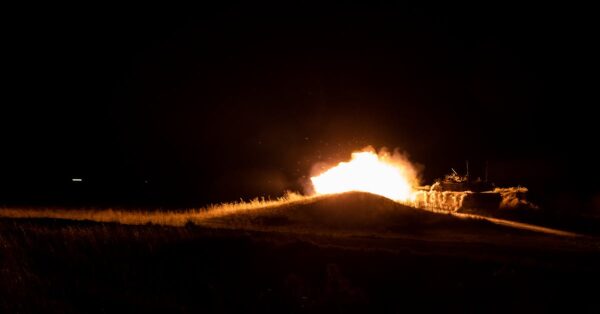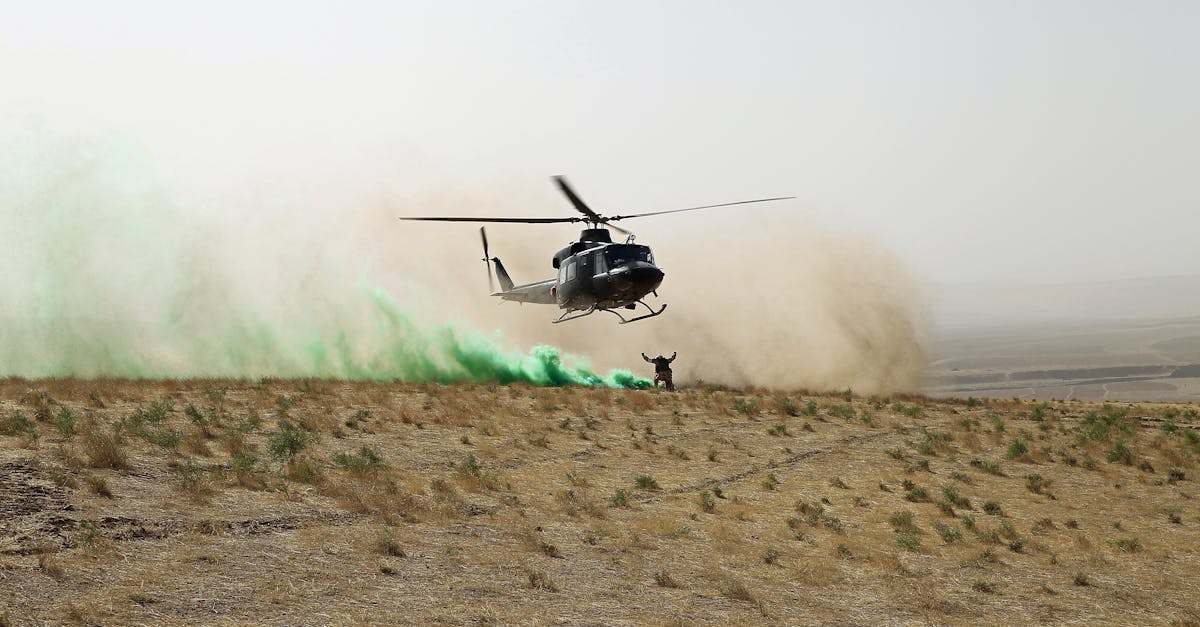
Afghanistan's Taliban-led government launched a large-scale offensive operation against Pakistani military centers and installations along the Durand Line on February 26, marking a dramatic escalation in months of mounting tensions between the two countries. Heavy gunfire ripped through border areas as both sides claimed to have killed dozens of militants and security forces, with neither nation's casualty figures independently verified.
The attack came four days after Pakistani air strikes killed at least 18 people across Afghanistan's Nangarhar and Paktika provinces. Pakistan said those strikes targeted seven militant camps belonging to the Pakistani Taliban and the Islamic State's Khorasan branch, which it blamed for a series of suicide bombings that killed dozens inside Pakistan in recent weeks.
Key Takeaways
- Afghanistan's Taliban government launched a major retaliatory operation against Pakistani military targets on February 26
- The attack followed Pakistani air strikes from February 22 that killed at least 18 people in eastern Afghanistan
- Both countries are accusing each other of harboring militant groups and launching unprovoked attacks
- A fragile cease-fire brokered by Qatar in October 2025 has completely broken down
Background
The conflict between Pakistan and Afghanistan has simmered for months, rooted in Pakistan's accusations that Afghan soil serves as a safe haven for the Pakistani Taliban and other militant groups launching attacks inside Pakistan. The tension reached a peak in October 2025 when the deadliest cross-border clashes in years left dozens dead on both sides.
Qatar stepped in to broker a cease-fire that held for several months, but negotiations failed to produce any lasting agreement. Low-level incidents continued throughout early 2026, and by mid-February, the situation had deteriorated sharply.
Pakistan faced a surge of terror attacks in February alone. A suicide bombing at a Shiite mosque in Islamabad on February 6 killed at least 31 worshippers, with the Islamic State's Khorasan branch claiming responsibility. Additional attacks struck Bajaur and Bannu districts, killing soldiers and civilians. Pakistan's defense minister warned on February 11 that the country would take action if the Taliban didn't curb militant activity before Ramadan began.
"Pakistan would not hesitate to launch air operations inside Afghanistan if the Taliban government did not take action against militant groups using its territory." – Pakistani government warning
Key Details
The Pakistani Air Strikes
On February 21-22, Pakistan conducted what it called "intelligence-based selective targeting" of seven terrorist camps and hideouts near the border region. The strikes hit areas in Behsud and Khogyani districts of Nangarhar Province, and Barmal and Urgun districts in Paktika Province.
Pakistan's military claimed the strikes destroyed seven Pakistani Taliban hideouts and killed as many as 80 militants. The country's Information Minister Attaullah Tarar described the operation as necessary self-defense and called on the international community to pressure the Taliban to honor commitments under the 2020 Doha Agreement.
Afghanistan's Taliban government told a very different story. Officials said the strikes hit civilian homes, a religious seminary, and other civilian structures. They reported at least 18 people killed, including women and children. One family in Girdi Kas lost 18 of 23 members. The Taliban condemned the strikes as a "blatant violation of Afghanistan's territorial integrity" and a breach of international law.
The UN Assistance Mission in Afghanistan reported that the strikes killed 13 civilians and injured seven others in Behsud district of Nangarhar Province, with casualties including women and children. The mission also noted that strikes in Paktika damaged infrastructure but caused no civilian deaths.
Afghanistan's Response
Afghanistan's Taliban spokesman Zabihullah Mujahid announced on February 26 that Kabul had launched a large-scale offensive operation against Pakistani military centers and military installations along the Durand Line. The Taliban claimed that 40 Pakistani security personnel had been killed, though this claim couldn't be independently verified.
Pakistan responded quickly. Pakistani troops retaliated with their own attacks, and Information Minister Attaullah Tarar said that 36 Afghan border security forces had been killed in the fighting.
The Broader Pattern
This isn't the first time Pakistan has struck inside Afghanistan since the Taliban took power in August 2021. This marks the seventh such air operation. The strikes reflect Pakistan's deep frustration with what it sees as the Taliban's inability or unwillingness to stop militant groups from using Afghan territory.
Afghanistan denies Pakistan's accusations, saying it doesn't shelter the Pakistani Taliban. Afghan officials argue that Pakistan is using the militant threat as cover for military aggression and territorial violations.
What This Means
The escalation represents a complete collapse of the cease-fire that Qatar brokered just months ago. Both countries have abandoned diplomatic channels and returned to military confrontation. The fighting shows no signs of stopping, with each side vowing responses to the other's attacks.
For ordinary people living along the border, the violence means continued instability and the risk of being caught in cross-fire. Families in border regions face displacement and loss of livelihood as fighting intensifies.
The conflict also complicates efforts to address the broader terrorism problem in the region. While Pakistan says it's fighting militants, Afghanistan says Pakistan is using the militant threat as an excuse for territorial aggression. Neither side appears willing to negotiate, making a quick resolution unlikely.
International observers worry that the fighting could spread beyond the border region or draw in other regional powers. The situation remains volatile, with both countries maintaining military readiness along the Durand Line.
Frequently Asked Questions
What is the Durand Line?
The Durand Line is the border between Afghanistan and Pakistan that cuts through traditional Pashtun and Baloch tribal territories. It's considered one of the world's most volatile borders and has been disputed for decades.
Why does Pakistan blame Afghanistan for terror attacks?
Pakistan accuses the Taliban government of allowing the Pakistani Taliban (an offshoot of the Afghan Taliban) and other militant groups to operate from Afghan territory and launch attacks inside Pakistan. Afghanistan denies these accusations.
What happened to the cease-fire from October 2025?
The cease-fire, brokered by Qatar, held for several months but eventually broke down. Negotiations failed to produce a lasting agreement, and low-level incidents continued until the recent escalation in February 2026.
Frequently Asked Questions
What is the Durand Line?
The Durand Line is the border between Afghanistan and Pakistan that cuts through traditional Pashtun and Baloch tribal territories. It’s considered one of the world’s most volatile borders and has been disputed for decades.
Why does Pakistan blame Afghanistan for terror attacks?
Pakistan accuses the Taliban government of allowing the Pakistani Taliban (an offshoot of the Afghan Taliban) and other militant groups to operate from Afghan territory and launch attacks inside Pakistan. Afghanistan denies these accusations.
What happened to the cease-fire from October 2025?
The cease-fire, brokered by Qatar, held for several months but eventually broke down. Negotiations failed to produce a lasting agreement, and low-level incidents continued until the recent escalation in February 2026.