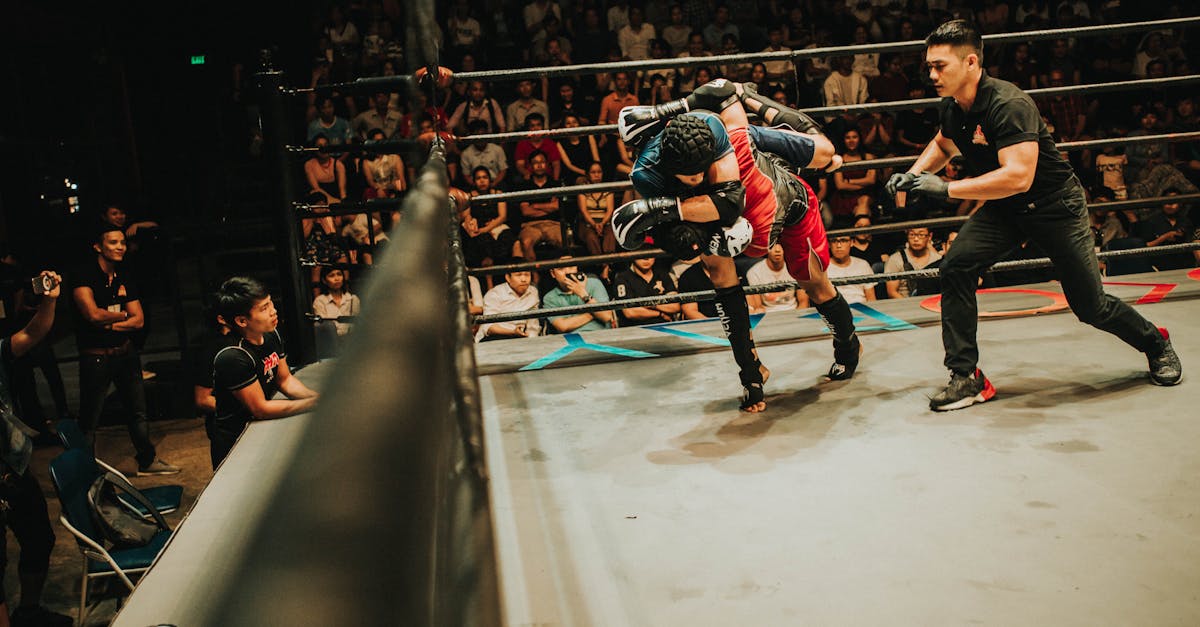
The Bare Knuckle Fighting Championship is making its largest expansion yet, officially launching operations in India with backing from global combat sports figures and local entertainment leaders. The move marks the organization's entry into one of the world's most populous nations and represents a significant step in the sport's international growth strategy.
The India launch will introduce a major team-based league format, described as the first of its kind in bare-knuckle fighting history. Six inaugural teams will compete in the new structure, departing from the traditional one-on-one match format that has defined the sport since its modern revival.
Background
Bare knuckle fighting has experienced rapid growth over the past several years, transforming from a niche sport into a mainstream entertainment property. The championship has expanded its reach across multiple continents, building a growing international audience through social media and streaming partnerships. In 2025 and early 2026, the organization reported significant metrics including doubled live event attendance and a presence in over 60 countries globally.
The India expansion is being led by the World League of Fighters, which holds the license to operate BKFC in the Indian market. The organization was co-founded by Rajesh Banga, Sunil Mathew, and Siraj Gill, bringing together expertise in sports management and entertainment.
Key Details
The championship selected India as a strategic market due to the nation's large population, growing interest in combat sports, and expanding digital infrastructure. The country has become increasingly important to global sports organizations seeking new audiences and revenue streams.
The India launch features a team-based league structure that fundamentally differs from BKFC's traditional format. Rather than individual fighters competing in standalone matches, teams will compete against each other, introducing new strategic elements and potentially broadening appeal beyond hardcore fight fans.
Celebrity Involvement
The expansion has attracted significant entertainment industry backing. Actor and martial artist Tiger Shroff has joined the board alongside Conor McGregor, the former UFC champion and global combat sports personality. Their involvement signals serious investment and mainstream entertainment credibility for the Indian operation.
"This represents a historic moment for bare-knuckle fighting as a global sport," according to statements from the championship regarding the India launch.
What This Means
The India expansion reflects broader trends in combat sports globalization. Organizations are increasingly looking beyond traditional markets in North America and Europe to tap into growing audiences in Asia. India's large population and rising middle class with disposable income make it an attractive market for premium sports entertainment.
The team-based format being introduced in India could signal a potential shift in how BKFC operates globally. If successful, the league structure might be adopted in other markets or become a permanent fixture alongside traditional match formats. This experimentation suggests the organization is willing to innovate to reach new audiences.
For the Indian market specifically, the launch could accelerate interest in combat sports beyond traditional wrestling and cricket. Celebrity involvement from both international and local figures helps bridge the gap between mainstream entertainment and niche sports audiences.
The timing of the expansion coincides with BKFC's broader growth period. The organization has recently announced major media partnerships and continues to scale its digital presence through mobile apps and streaming platforms. The India launch represents another step in this expansion strategy.
The success of the India operation could influence how other combat sports organizations approach international expansion. If the team-based format resonates with Indian audiences, it may inspire similar innovations in other markets. The venture also demonstrates how celebrity partnerships can legitimize and accelerate market entry for sports properties seeking mainstream acceptance.