
DAVOS, Switzerland — Canadian Prime Minister Mark Carney told world leaders at the World Economic Forum that Canada stands on its own and does not depend on the United States for its existence. He made the remarks on January 20, one day before US President Donald Trump spoke at the same event. Carney's words came after Trump said Canada 'lives because of the United States,' a statement that drew sharp attention from global audiences.
Carney, who became Canada's leader in 2025 after a career in finance, used his platform to address rising tensions between major powers. His speech laid out a vision for countries like Canada to build strength and form new ties in response to a world where big nations use trade and force to get their way.
Background
Mark Carney's path to prime minister started outside politics. He led the Bank of Canada and then the Bank of England, handling financial crises with a steady hand. In 2025, he entered politics and won election on promises to make Canada stronger amid global uncertainty.
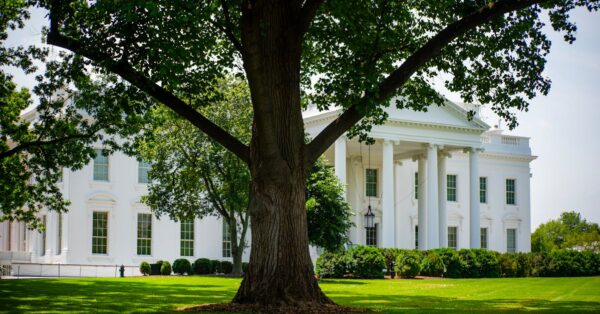
Since taking office, Carney has faced direct challenges from the United States. President Trump, back in the White House after his 2024 win, has talked openly about making Canada the 51st state. He posted a map on social media showing Canada under the US flag, alongside Venezuela. These comments have stirred worry in Ottawa about America's intentions.
Trump has also pushed hard on Greenland, the Danish territory in the Arctic. He wants US control there and says his plan will not change. Canada shares a long border with the US and has deep economic links, but Carney has made clear that Canada will protect its interests.
The Davos forum brought these issues to the forefront. Leaders from business, government, and finance gather each year in the Swiss mountains to discuss global problems. This time, Trump's speech loomed large, with his tariff threats and takeover talk setting the tone. Carney spoke first, setting up a clear contrast.
Canada's military has quietly prepared for worst-case scenarios. Reports say officials have planned insurgency tactics, like those seen in Afghanistan, in case of a US move north. These steps show how seriously Ottawa takes the rhetoric from Washington.
Key Details
Carney described the current global situation as a 'rupture,' not just a smooth change. He said the old system, built on US leadership with open trade routes, stable money, and shared security, is breaking down. Now, big powers compete fiercely and use economic tools as weapons.
“We are in the midst of a rupture, not a transition.” — Mark Carney, Canadian Prime Minister
He warned smaller nations against hoping that going along with the powerful will keep them safe. 'Compliance will buy safety. It won’t,' Carney said. Instead, he called on middle powers — countries with real strength but not superpower status — to work together.
Canada's Domestic Push
At home, Carney's government has moved fast to build up Canada. They cut taxes on income, capital gains, and business investments. Federal rules blocking trade between provinces are gone. A trillion dollars in projects for energy, artificial intelligence, critical minerals, and new trade paths are speeding ahead.
Defense spending will double by the end of the decade. These efforts aim to grow local industries and create jobs. Carney stressed that Canada has fiscal room to act big, with strong capital and talent pools.
New Partnerships Abroad
Canada is looking beyond the US for friends. A new strategic partnership with the European Union covers trade, security, and Arctic issues. Carney visited China this week, the first such trip by a Canadian PM since 2017. He met President Xi Jinping, Premier Li Qiang, and others.
The Canada-China deal focuses on trade, energy, and food. It aims to bring huge gains for both sides. Carney also reaffirmed Canada's rock-solid support for NATO's Article 5, the promise to defend allies. Canada is boosting the alliance's northern defenses with Nordic and Baltic partners.
On Greenland, Carney stood firm. 'Canada stands firmly with Greenland and Denmark and fully supports their unique right to determine Greenland’s future,' he said. This positions Canada against US ambitions in the Arctic.
Carney spoke of Canada's values too — pluralism, respect for territorial integrity, no force outside UN rules, and human rights. He said middle powers must name the new reality, build home strength, and act as a group. 'If we’re not at the table, we’re on the menu,' he noted.
What This Means
Carney's speech marks a shift for Canada. For years, it relied on close US ties for security and trade. Now, with Trump's aggressive stance, Ottawa sees the need to spread risks. Deals with Europe and China open doors to new markets and investments, reducing US use.
Trade talks could change. Trump has threatened tariffs on Canada and pushed to rewrite the USMCA deal. US Commerce Secretary Howard Lutnick said Carney's China pact gives a 'road map' to alter the agreement. Canada wants to keep good neighbor relations but on equal terms.
Global alliances may realign. Middle powers like Australia, caught in similar spots, hear Carney's call to unite. His push for diversified supply chains counters weaponized tariffs and disruptions. NATO stays key, but Canada eyes broader networks.
At home, Canadians see real changes. Tax cuts and big projects promise growth. Defense buildup addresses Arctic threats from Russia and others, beyond just the US. Pluralism helps attract talent in a divided world.
Trump's response came the next day. He warned Carney directly: 'Canada lives because of the United States. Remember that, Mark, the next time you talk tough.' This exchange highlights the strain between the neighbors.
For middle powers everywhere, Carney offers a playbook: get stronger inside, pick smart partners outside, and never assume old protections hold. Canada's moves could inspire others facing big-power pressure. The world watches how these words turn into action amid ongoing Davos talks and back-home decisions.