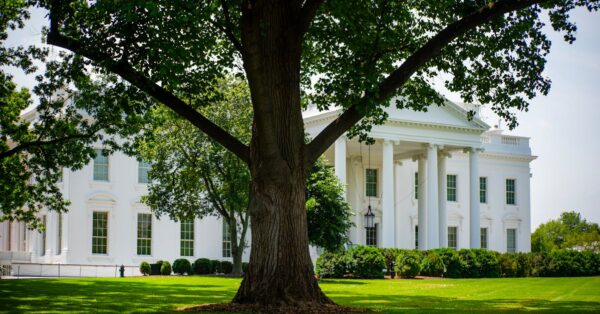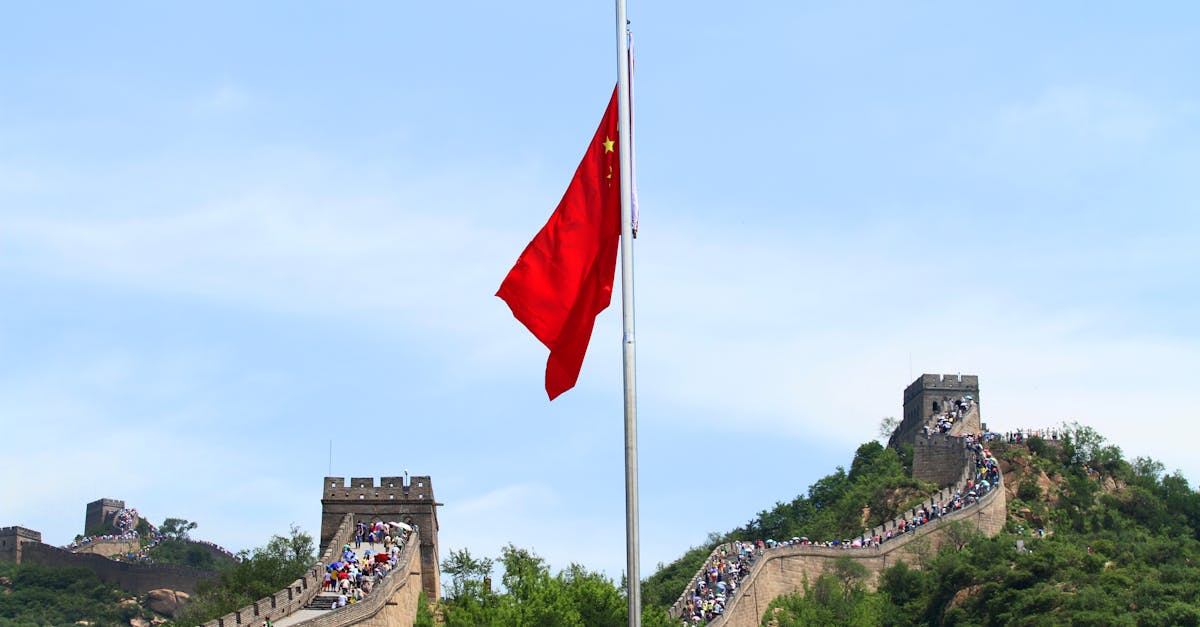
Canadian Prime Minister Mark Carney met Chinese President Xi Jinping in Beijing on Friday, January 16, to launch a new strategic partnership between the two countries. The talks at the Great Hall of the People mark the first visit by a Canadian leader to China's capital in eight years and come as Canada looks to cut its economic ties to the United States amid new tariffs from President Donald Trump.
Background
Relations between Canada and China have been rocky for nearly a decade. The last official visit by a Canadian prime minister to China was in 2017. Tensions rose after Canada arrested a Huawei executive in 2018 at the request of the United States. China responded by detaining two Canadians for over 1,000 days and imposing restrictions on Canadian exports like canola and meat.
Those issues eased somewhat after the detainees were released in 2021. But trade barriers lingered. Canada faced retaliatory tariffs from China on key farm products. At the same time, Canada put up its own tariffs on Chinese electric vehicles to match US policies.
Mark Carney took office as prime minister in 2025 with a focus on global trade. He has pushed to diversify Canada's markets away from the US, which buys about 75 percent of Canadian exports. Trump's return to the White House and his plans for steep tariffs on Canadian goods have added urgency. Carney's trip follows a meeting with Chinese Premier Li Qiang on Thursday and builds on talks at an Asia-Pacific summit in October.
Carney has long ties to China from his days as Bank of England governor and UN climate envoy. He sees the country as a key partner for Canada's resources and services.
Key Details
The meeting with Xi lasted about an hour. Carney and Xi spoke through interpreters in a formal setting. They signed or renewed several memorandums of understanding covering energy, crime fighting, wood construction, culture, food safety, and plant and animal health.
Trade and Economic Talks
Carney stressed quick wins in agriculture, energy, and finance. He noted China's interest in more Canadian energy products like oil and gas, as well as clean energy tech. No firm deals emerged on energy exports, but ministerial talks are set to start soon—the first in nearly a decade.
Tariff disputes remain a sticking point. China wants Canada to drop tariffs on its electric vehicles. Canada seeks relief from Chinese tariffs on canola and other goods. Saskatchewan Premier Scott Moe joined Carney to push for canola access, a vital crop for prairie farmers hit hard by past bans.
On Thursday, Carney and Li Qiang reviewed progress from recent ministerial meetings. They agreed to deepen ties in economic policy, security, and people-to-people exchanges.
"Mr. President, together we can build on the best of what this relationship has been in the past to create a new one adapted to new global realities that will deliver stability, security, and prosperity to our peoples on both sides of the Pacific."
— Prime Minister Mark Carney to President Xi Jinping
Xi called the relationship at a turning point. He said their October meeting opened a new chapter and that steady ties serve both nations' interests.
What This Means
This partnership could open doors for Canadian farmers and energy firms. Canola farmers in Saskatchewan and Manitoba stand to gain if tariffs lift. Energy companies eye China as a buyer for oil, natural gas, and renewables like hydrogen and critical minerals.
For China, more Canadian imports mean supply security for food and energy. It also gives Beijing use in talks with the US and others.
The deal rests on five pillars: trade, energy, finance, security, and culture. Officials say it will strengthen multilateral systems strained by recent global shifts.
No timeline exists for tariff resolutions. Canadian teams will keep negotiating. Business leaders in Beijing discussed investment with Carney, signaling private sector interest.
Broader effects touch global trade. As Trump ramps up tariffs, Canada and China may align more on supply chains. This could shift flows of commodities and tech.
Carney's visit sets a tone for future summits. Both sides plan more leader meetings. Provincial leaders like Moe show domestic backing for the reset.
Challenges persist. Past arrests and human rights concerns linger in Canadian politics. Industry groups watch closely for real export gains.
The partnership aims for balance: more trade without over-reliance. Carney called it a way to adapt to a changing world economy, with disruptions from tariffs and supply issues.
Talks continue into Saturday with business roundtables. Any progress there could build momentum before Carney heads home.