
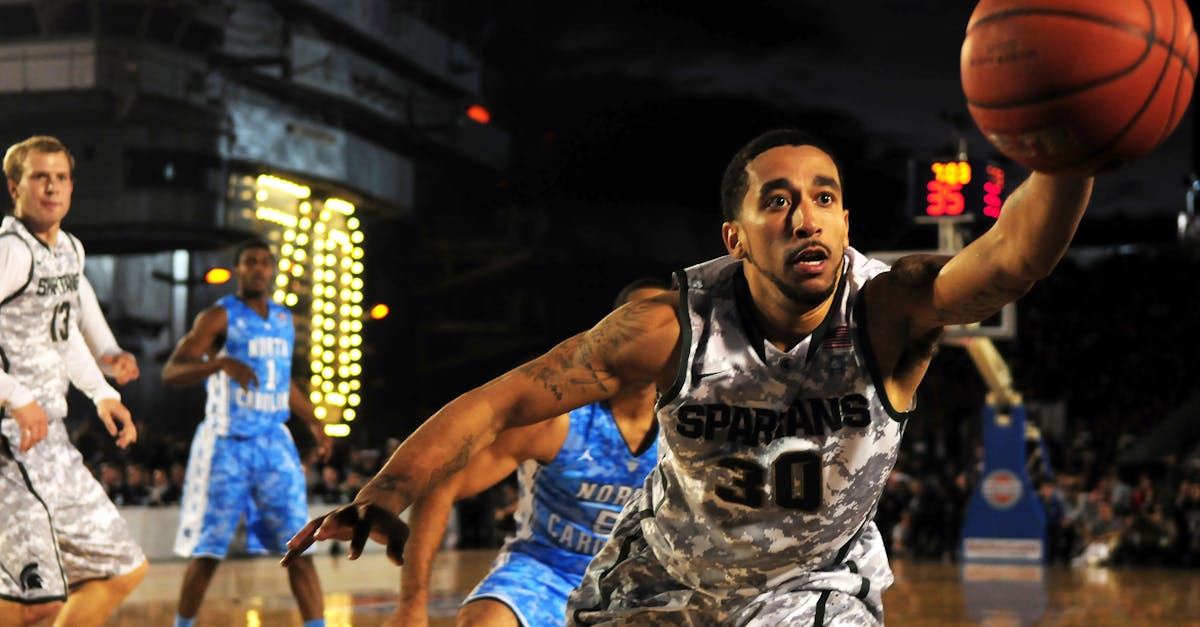
Federal prosecutors in New York charged 26 people Thursday, including more than 39 college basketball players from 17 Division I teams, in a point-shaving scheme that fixed over 29 games in the 2023-24 and 2024-25 seasons. The gambling ring, which involved a former NBA player, paid players between $10,000 and $30,000 per game to manipulate scores and outcomes for betting purposes.
Background
The scheme started in September 2022 as a small betting operation but grew to target college basketball. Organizers recruited players through social media and personal contacts, offering cash to underperform in specific ways, like missing shots or limiting points in certain halves. By the 2023-24 season, it had spread to teams across the country, affecting games in conferences like Conference USA, Atlantic 10, and the American Athletic Conference.
Investigators from the FBI and NCAA began piecing it together after tips about unusual betting patterns. Sportsbooks noticed heavy wagers on certain spreads and totals that hit far too often. Integrity monitoring services flagged games where teams lost by margins that matched bets exactly. Phone records, text messages, and FaceTime calls later showed players coordinating with bettors right before tip-off.
The ring placed bets through online sportsbooks and individual accounts, defrauding bettors who thought they were wagering on fair games. Players got their payouts in cash or wire transfers, often right after games. Some continued into the 2025-26 season before arrests stopped them.
Schools like Western Michigan, Butler, St. John's, Tulane, East Carolina, McNeese State, Nicholls State, Saint Louis, Duquesne, La Salle, Fordham, Buffalo, Kent State, Ohio, Georgetown, DePaul, Kennesaw State, Delaware State, Eastern Michigan, and Texas Southern had players named. Many were former players from the past two seasons, but four current ones—Kennesaw State's Simeon Cottle, Delaware State's Camian Shell, Eastern Michigan's Carlos Hart, and Texas Southern's Oumar Koureissi—face charges too.
Key Details
The indictment lists 17 former players as defendants, with 15 from the 2023-24 or 2024-25 seasons. Players fixed games by shaving points, meaning they kept scores close to betting lines or pushed them over/under totals as instructed. One example involved New Orleans players Cedquavious Hunter, Dyquavian Short, and Jamond Vincent. On December 28, 2024, text messages showed Vincent telling contacts to bet because they planned to lose by more than the spread. Short told a teammate during a timeout not to score more points. They manipulated seven games that winter, losing by exact betting margins each time.
Specific Player Cases
At Mississippi Valley State, Donovan Sanders and Alvin Stredic got offers to throw games. Before a December 21, 2024, matchup, Sanders asked a teammate to join a call with a bettor promising money if they underperformed. Texts after showed Sanders telling the teammate to delete messages. For a January 6 game, an anonymous caller told them to play poorly in the first half. Sanders shared info for two games, Stredic for one.
Arizona State's former star Chatton "BJ" Freeman passed game details to a bettor named Robinson four times between November and December 2024, plus to his girlfriend twice. He denied it all to investigators.
The ring's leader, a former NBA player whose name prosecutors withheld pending arrest, coordinated from overseas. He used middlemen to contact players and laundered betting winnings through crypto and cash apps. Bets totaled millions, with wins cashed out quickly.
"Protecting competition integrity is of the utmost importance for the NCAA," NCAA president Charlie Baker said. "We are thankful for law enforcement agencies working to detect and combat integrity issues and match manipulation in college sports."
Players lied to NCAA and school investigators, claiming no involvement despite clear phone evidence. All violated rules on ethical conduct and cooperation, leading to permanent ineligibility.
What This Means
College sports now face tougher scrutiny on gambling. The NCAA has open probes into nearly all affected teams and works with sportsbooks for real-time monitoring. Conferences suspended implicated players immediately, and some schools vacated wins from fixed games.
Betting apps tightened limits on college props and spreads after spotting patterns. States with legal sports wagering may push for federal rules on college betting to prevent repeats. Fans lost trust in close games, especially those decided by a few points.
Prosecutors seek prison time up to 20 years per count of wire fraud and conspiracy. Forfeiture could hit millions in winnings. Players risk ending careers early, with no pro prospects due to bans. Schools must report tips faster and educate athletes yearly on betting risks.
The scandal links to a separate NBA ring reported in February 2025, but NCAA says cases are unconnected. Law enforcement continues hunting overseas ties. Sports integrity firms now scan every Division I game for odd lines, and players get mandatory phone audits in violations.
This case shows how easy access to betting apps turned a few bad choices into a nationwide fix. Teams in mid-majors took the hardest hits, as their games draw sharp bettors looking for edges. Leagues plan joint task forces with FBI for ongoing checks.