

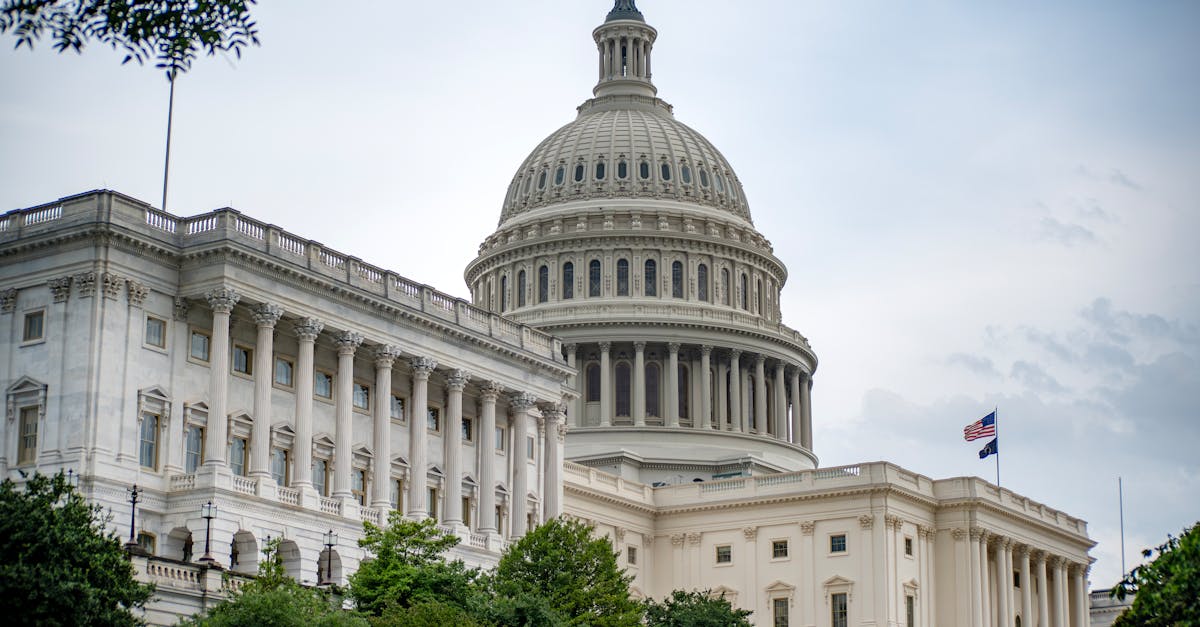
Lawmakers in Washington have reached a $1.2 trillion funding agreement for the Department of Homeland Security, the Pentagon, and several domestic agencies. The deal comes just days before federal funding runs out on January 30, heading off what could have been another government shutdown. House Speaker Mike Johnson and Senate leaders worked through the night to nail down the details after months of back-and-forth.
Background
Funding fights have marked the start of the new year. Back in November, a 43-day government shutdown ended with a temporary measure that fully funded agriculture, veterans affairs, military construction, and Congress operations. That patch kept things going until January 30 for most other agencies. Last week, the Senate passed bills covering Justice, Interior, Commerce, Energy, EPA, water programs, and science initiatives. The House cleared funding for Treasury, State, IRS, and foreign aid. Now this latest package fills in the gaps for over 70 percent of annual federal spending.
The push for this deal picked up speed after earlier efforts fell apart. In December 2024, a similar agreement collapsed under pressure from then President-elect Donald Trump and Elon Musk. Lawmakers had to start over, piecing together smaller bills through January. With the Senate in recess this week, the chamber plans to take up the legislation when it returns late this month.
Trump's team had asked for deep cuts across many programs, but Congress pushed back on most of them. The result keeps agency budgets close to current levels, with some targeted increases and a few reductions. This approach reflects the narrow majorities both parties hold in Congress.
Key Details
The $1.2 trillion package covers a wide range of agencies. The Department of Housing and Urban Development gets the biggest boost at $84.3 billion, up $7.2 billion or about 9 percent from last year. That money supports rental assistance and homelessness programs. Homeless Assistance Grants rise to over $4.4 billion, a $336 million increase. The bill also requires HUD to renew expiring grants for one year if new funding notices lag.
Agency Funding Breakdown
Other domestic agencies see modest changes:
- Education Department: $79 billion, up $217 million.
- Health and Human Services: nearly $117 billion, up $210 million.
- Labor Department: $13.7 billion, up $65 million.
- Transportation Department: $25.1 billion, down $111 million.
The Energy Department receives just over $49 billion in a separate but related bill passed earlier. It cuts some clean energy programs but less than the administration wanted. Funds shift to nuclear energy, grid improvements, and critical minerals supply chains. For example, $3.1 billion goes to advanced reactor development, and $1.5 billion supports carbon dioxide transport infrastructure.
Health care provisions stand out in the package. Lawmakers added bipartisan measures to rein in pharmacy benefit managers, who act as middlemen in drug pricing. The deal renews public health programs and provides $4.6 billion for community health centers in fiscal 2026. It includes transparency rules for hospital billing, more funding for pediatric cancer research, and Medicare coverage for multi-cancer screening tests. However, it skips lapsed Obamacare subsidies and most White House health proposals.
DHS and Pentagon funding details remain steady, rejecting many requested cuts. The overall bill advances an 'America First' focus on priorities like border security and defense, while trimming waste in other areas.
"This legislation cuts waste and provides critical funding that supports key priorities for the American people," said a House Appropriations Committee spokesperson.
House leaders expect a vote this week, with the Senate following next week. President Trump is set to sign it before the deadline.
What This Means
Passing this deal keeps federal workers paid and services running. Without it, a partial shutdown would hit agencies like DHS, Pentagon support staff, and domestic programs after January 30. Programs already funded full-year, like veterans affairs, would stay unaffected.
For everyday Americans, the changes mean more support for housing and health needs. Families facing homelessness get extra help through boosted grants. Community health centers expand with new funds, aiding millions in underserved areas. Drug pricing reforms could lower costs over time by targeting middlemen practices.
Energy shifts favor nuclear and grid upgrades, aiming to boost domestic production. This aligns with administration goals for energy independence, even as some green programs take hits. Transportation sees a small cut, which might slow infrastructure projects.
The agreement shows Congress can compromise under pressure. Bipartisan votes in recent packages, like 82-18 in the Senate for energy funding, point to willingness to work across aisles. But tight deadlines mean lawmakers must move fast. If delays hit, another short-term funding patch could buy time, though that risks more uncertainty.
Trump's influence looms large. His rejection of prior deals forced restarts, but this package meets enough of his asks to gain approval. Agencies now plan budgets around these levels, with HUD and health programs preparing for influxes. Workers in funded departments breathe easier, knowing paychecks continue.
Broader fiscal talks continue. This covers fiscal 2026 for most agencies, but debt ceiling and tax debates wait in the wings. For now, the focus stays on getting this across the finish line. Lawmakers from both sides credit round-the-clock talks for the progress. The public watches to see if Washington delivers on time.