
Cuba's government struggles with empty fuel tanks and rolling blackouts after U.S. President Donald Trump signed an executive order on January 29, 2026, targeting countries that sell oil to the island. The move has left no oil shipments arriving since December, forcing President Miguel Díaz-Canel to ration electricity, food, and transport while starting talks with Washington. This comes as Cuba loses its main suppliers following the end of Venezuelan aid and pressure on Mexico.
Background
Cuba has faced power shortages and protests since 2024, but things worsened sharply after the U.S. stepped in Venezuela on January 3, 2026. That action cut off oil from Caracas, which had kept Cuba running for years. The island produces little of its own fuel and relies on imports for nearly everything, from buses to factories to homes.
Before this, Venezuela under Nicolás Maduro sent millions of barrels yearly as part of a deal where Cuba provided doctors in return. Now with Maduro gone, that flow stopped cold. Russia and China, once helpers, have pulled back. Mexico stepped in last year with shipments from its state company Pemex, but U.S. threats changed that.
On January 27, Mexican President Claudia Sheinbaum halted oil deliveries to Cuba. She called it a sovereign choice amid U.S. warnings of tariffs on Mexican goods. Sheinbaum promised food and aid instead, but no fuel for now. Cuban leaders say this leaves them friendless, with empty storage tanks and no quick fix.
A survey last year by Sergio Arboleda University found nearly 80% of Cubans think this crisis beats the tough 1990s, when the Soviet Union collapsed and left the island scrambling. Back then, they called it the Special Period, with deep cuts to food and power. Today feels similar, but with extra pressure from U.S. policy.
Key Details
Trump's executive order declared a national emergency over Cuba's ties to groups like Russia, China, Iran, and others the U.S. sees as threats. It allows tariffs on any country sending oil to Havana, direct or indirect. The State and Commerce Departments must set up this system fast.
U.S. Navy ships have started blocking tankers headed to Cuba, including those from Mexico. Trump urged Díaz-Canel on January 11 to make a deal soon. He even joked about Senator Marco Rubio as a future leader there, hinting at big changes ahead.
Government Response and Rationing
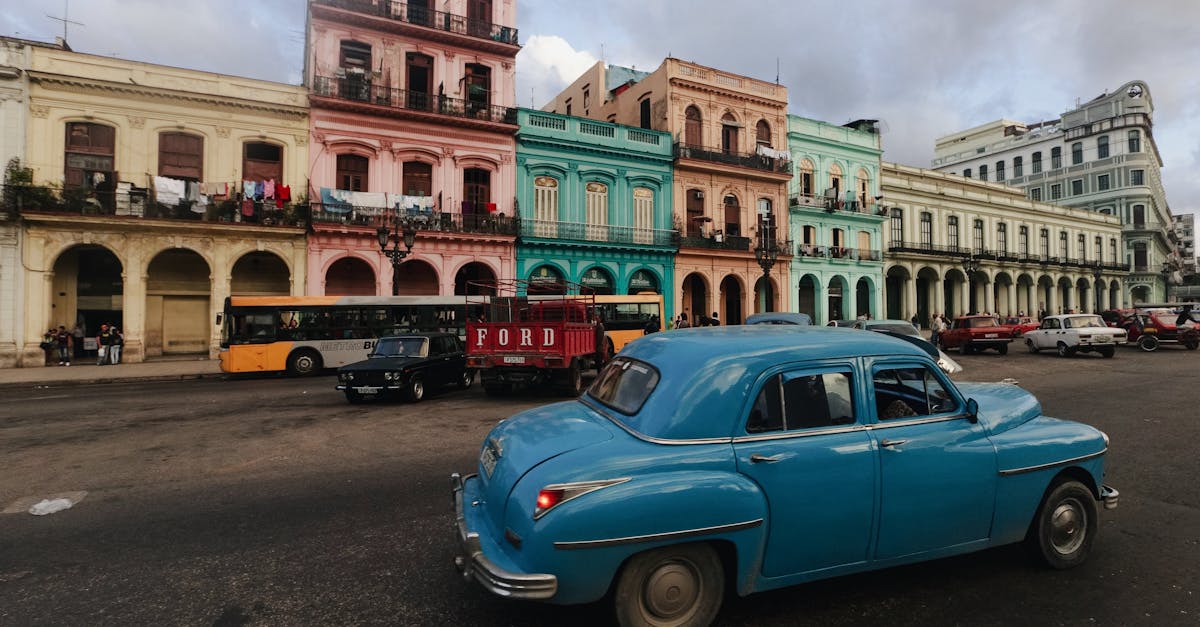
Díaz-Canel asked people for effort and creativity in a speech. The government rolled out 1990s-style measures: shorter work weeks, less power to homes, and tighter food rations. Factories idle without fuel. Buses sit parked. Shops have long lines for basics.
No jet fuel means flights are grounded. Tourism, a big earner, has tanked. Remittances from abroad and medical missions to other countries also dropped as partners back off under U.S. watch. Rep. Carlos Giménez, a Florida Republican, pushed Trump to stop U.S. flights to Cuba and limit money sent home.
His colleagues Mario Díaz-Balart and María Elvira Salazar backed the call. They say short-term pain for Cubans beats letting the government drag on.
Streets buzz with anger. In a Havana market, 78-year-old retired engineer Ramón fumed at the butcher counter.
“We are still in free fall, without an end in sight. How long, gentlemen?” – Ramón, Havana resident
Sergio Ángel, a local analyst, said the regime buys time but it's running out. Another expert, Rojas, expects slow talks with small steps like freeing political prisoners.
U.S. Strategy
Inside the Trump team, talk turns to a full naval blockade to stop all oil. Some hesitate, fearing a humanitarian mess. One insider called energy the key to pressuring change. They see 2026 as the year for regime shift, the biggest push since 1959.
The order hits Mexico hard, as Pemex was Cuba's top supplier lately. Tariffs could hurt U.S.-Mexico trade. Still, the U.S. offers a deal: let America supply oil in exchange for reforms and control.
What This Means
Cuba's three big money sources—tourism, family money from abroad, and doctor exports—have dried up. Shops empty fast. Power cuts last hours daily. People cook with wood or wait in lines. Factories shut, so jobs vanish. The government admits talks with the U.S. are underway, a shift after 60 years of embargo.
Public frustration builds. Protests simmer like in 2024-2025. Without fuel, daily life grinds down. Schools close early. Hospitals run on generators that fail.
For the U.S., success means more sway in the region after Venezuela. Failure risks migration waves to Florida or unrest spilling over. Mexico weighs aid against trade hits. China and Russia watch but stay out.
Talks could bring oil back if Cuba bends on prisoners or rights. Or pressure mounts to breaking point. Díaz-Canel's team preps for long haul, but shelves echo empty. Families stretch meals. Kids miss school buses that don't run.
Analysts see a mix of stick—tariffs, blocks—and carrot—U.S. oil for change. Trump wants a deal fast. Havana weighs options as lights flicker out. The island holds breath, waiting for next ship or blackout.