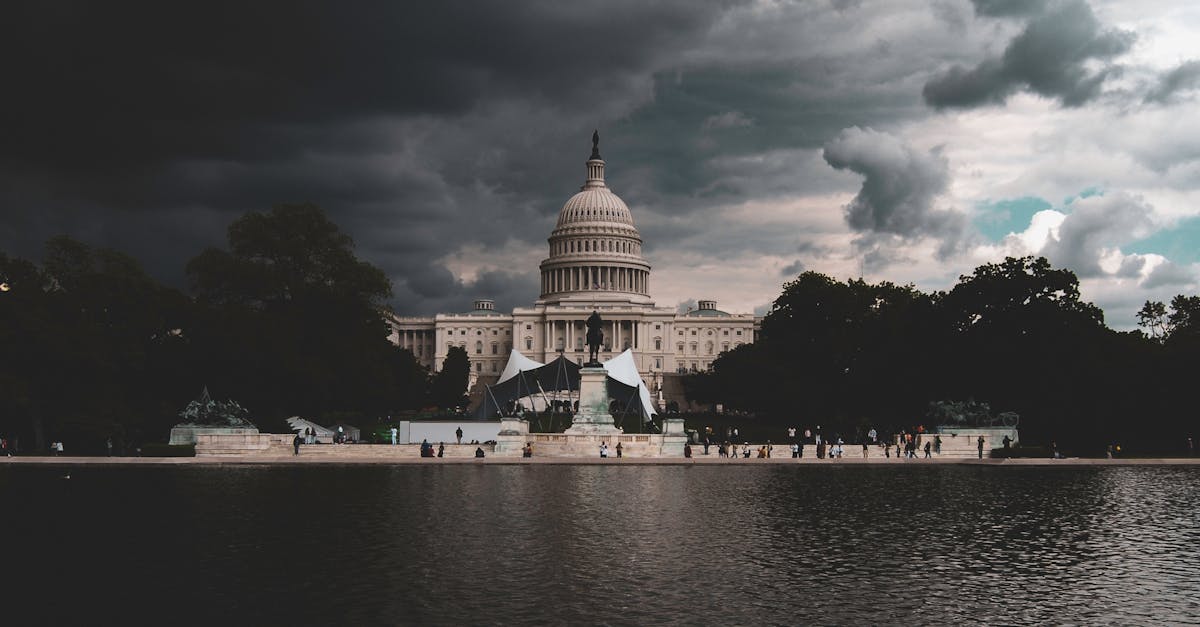
A powerful winter storm will bring heavy snow to the Washington D.C. area starting Saturday evening and lasting through Monday morning. The National Weather Service has issued a Winter Storm Watch for the District, parts of Maryland and Virginia, with at least five inches of snow expected in most spots and up to 14 inches possible in some places. Arctic air will fuel the storm, leading to dangerous travel and cold that sticks around for days.
Background
This storm builds from two weather systems merging after crossing the Southern Plains and Northern Plains. It started forming Friday and tracks east, hitting the Mid-Atlantic hard before moving up the Northeast corridor. Cities like Washington D.C., Baltimore, Philadelphia and even New York City face their first big snow in years, with some spots not seeing over a foot since 2016.
The system pulls in cold air from the north while warmer air tries to push in from the south. That clash sets up snow at first, then possible sleet or freezing rain later. Forecasters track it closely because small changes in the storm's path could shift snow totals or add more ice. The D.C. region sits right in the path where snow looks most likely to pile up.
Areas north and west of D.C., like northern Virginia and central Maryland, should see the heaviest snow. Southern spots might mix in sleet or rain, cutting totals a bit. The storm peaks Sunday, with snow falling across a wide area from Virginia to Massachusetts.
Key Details
Snow starts late Saturday night, after 9 p.m. in most places. It picks up area-wide after midnight, with rates of one to two inches per hour at times. Visibility could drop to a quarter mile during the worst of it Sunday morning through afternoon.
Snow and Ice Totals
Expect 5 to 10 inches across much of the D.C., Maryland and Virginia area. Some models show 10 to 14 inches north and west, where cold air holds on longer. Ice buildup is possible Sunday, especially south and east of D.C., turning roads slick. Sleet might mix in too, making surfaces even harder to clear.
The watch runs from Saturday evening to Monday morning. After the snow ends, wind chills drop into the teens and single digits starting Friday night. Subzero feels like temps could hit by next week, with the cold hanging on.
Travel takes the biggest hit. Roads like I-95 and I-81 will see hazardous driving. Airports in D.C., Philadelphia and New York may shut down flights. The Monday commute looks rough, with untreated roads still icy.
"This is going to be a very high impact storm," said meteorologist Mary Marshall. "We're looking at anywhere from 8 to 14 inches of snow, with some sleet and freezing rain mixing in."
Power lines face risk from heavy wet snow and ice, leading to possible outages. Schools will likely close or delay Monday, and sidewalks will stay slippery for days.
What This Means
Drivers should slow down and check road conditions before heading out Sunday or Monday. Stock up on basics like food, water and salt for driveways before Saturday. Airlines advise checking flights early, as hubs like Reagan National and Dulles could ground planes.
The cold snap after the storm raises health risks, especially for those without heat. Space heaters and generators need safe use to avoid fires or carbon monoxide. Plow crews will work overtime, but side streets might stay messy longest.
This storm disrupts daily life across more than 35 states, affecting over 200 million people. In the D.C. area, it means staying home if possible Sunday. Businesses may close, events cancel, and remote work picks up Monday. The region has mild winters lately, so many lack recent practice with big snow cleanup.
Forecasters watch models like the European and GFS for updates. The GFS keeps more snow by holding cold air in place. A blend gives the 8-14 inch range. As the storm nears, details sharpen on exact mixing of sleet or rain.
Residents prepare by charging phones, filling gas tanks and clearing gutters to avoid roof collapses from snow weight. Emergency services urge calling 911 only for real dangers, as lines could jam. The storm tests readiness after years of lighter winters.