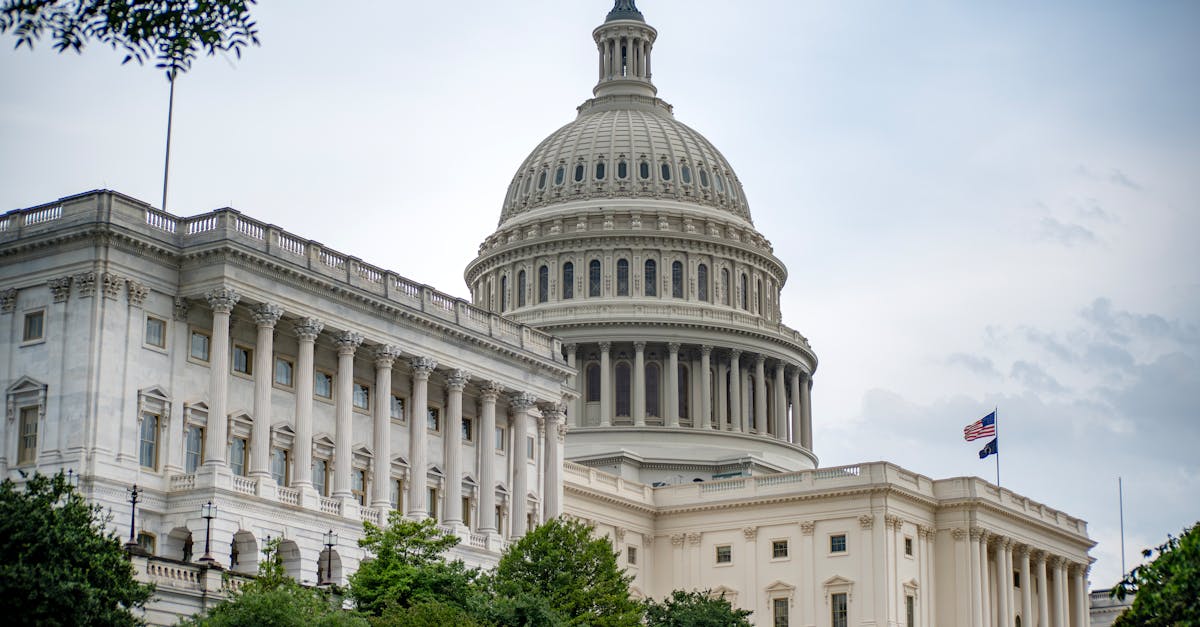
WASHINGTON — Democrats in Congress are pressing for big changes to how U.S. Immigration and Customs Enforcement operates, including rules on masks, body cameras, and court-issued warrants. These demands come as funding for the Department of Homeland Security runs out in two weeks, raising the risk of another government shutdown. The talks are heating up on Capitol Hill after recent ICE actions in Minnesota drew widespread anger.
Background
Tensions over immigration enforcement have grown under President Trump's push to ramp up deportations. In January, ICE officers shot and killed two people in Minneapolis, sparking protests and calls for accountability. Videos and photos from these events showed agents wearing masks and carrying out arrests in neighborhoods. This has led to a bigger fight in Congress over how to fund agencies like ICE and Customs and Border Protection.
Lawmakers are working on a spending bill for Homeland Security. Democrats say they will not approve it without reforms to protect people's rights. Republicans want to keep strong enforcement tools and add their own ideas, like limits on sanctuary cities. The deadline is mid-February, and both sides are digging in as talks drag on.
A key flashpoint is a memo from ICE dated May 12, 2025. It allows agents to force their way into homes using only an administrative warrant for people with final removal orders. Critics say this breaks the Fourth Amendment, which protects against unreasonable searches. Whistleblowers shared the memo with Congress, leading to demands to scrap it.
In Minnesota's Twin Cities, agents have entered homes without knocking or showing proper papers. One case involved a U.S. citizen named ChongLy “Scott” Thao in St. Paul. Masked agents burst into his home, pointed guns at him, and took him outside in cold weather while he wore only sandals and underwear. They let him go after realizing their mistake — the target was already in prison. No apology followed.
Key Details
Democrats laid out 10 specific demands in a letter to Republican leaders. Top ones include requiring ICE agents to wear body cameras that stay on during operations. The spending bill already has $20 million set aside for these cameras, but Democrats want clear rules on when to use them and how to release footage.
Another demand is for agents to stop wearing masks that hide their faces. Democrats argue this makes it hard to hold officers accountable. They point out that local police do not mask up during routine work.
“State law enforcement, local folks don't do it. I mean, what's so special about an ICE law enforcement agency that they have to wear a mask?” — Rep. Bennie Thompson, top Democrat on the House Homeland Security Committee.
Republicans say unmasking puts agents at risk. They claim officers face doxxing and threats online, and revealing identities could make things worse.
Warrants and Patrols
Democrats want agents to get judicial warrants signed by a judge before entering private homes without permission. Right now, ICE uses internal administrative warrants for most arrests. These do not allow forced entry into homes. The new memo changes that for certain cases, which Democrats call unconstitutional.
House Judiciary Democrats, led by Rep. Jamie Raskin, sent a letter to DHS Secretary Kristi Noem and Acting ICE Director Todd Lyons. They demanded the memo be pulled back right away.
“ICE does not have the authority to overturn any law, let alone one of the foundational constitutional rights enshrined in the Bill of Rights. You must rescind this memo and adhere to the requirements of the Fourth Amendment by ensuring your agents obtain a judicial warrant prior to making any non-consensual entry into a private residence.” — Reps. Jamie Raskin, Pramila Jayapal, Mary Gay Scanlon, and Lucy McBath.
Democrats also call for an end to roving patrols where agents stop people on streets or near homes based on looks. They say this leads to racial profiling. Leader Hakeem Jeffries added that sensitive spots like schools, churches, and hospitals should be off-limits.
Republicans resist these changes. House Homeland Security Chair Mike Johnson called judicial warrants a 'new layer' that would slow down work. He said administrative warrants have always been the norm.
Other Democratic asks include working more with local police and ending violence in enforcement. Senate Democratic Leader Chuck Schumer said Congress must 'rein in ICE in very serious ways, and end the violence.'
Republicans have their own wishlist. They want proof of citizenship for voter registration and tougher rules on sanctuary cities, which limit help to federal agents.
What This Means
The fight could lead to a partial shutdown if no deal comes soon. Democrats recently voted to fund other government parts but left Homeland Security hanging. This lets them focus pressure on ICE without blocking disaster aid or other must-pass bills.
Moderate Democrats from tough districts are split. Some say they might vote no on short-term funding. Progressives like Rep. Ayanna Pressley draw a hard line.
“I ran for Congress in 2018 on abolish ICE. My position has not changed.” — Rep. Ayanna Pressley.
A short-term deal might pass with Democratic votes, but big reforms look unlikely. Former Customs and Border Protection Commissioner Gil Kerlikowske noted agents like cameras for protection, but questions remain on rules. Polls show 62% of Americans think ICE goes too far on immigration.
Talks continue with little sign of compromise. Schumer plans to introduce tough legislation soon. Republicans say Democrats must get serious. As the deadline nears, both sides weigh use against the cost of another shutdown.