
The Pentagon has ordered approximately 1,500 active-duty soldiers stationed in Alaska to prepare for a potential deployment to Minnesota, signaling a harder-line approach by the Trump administration as tensions escalate over federal immigration enforcement in Minneapolis. The troops have not yet been ordered to deploy, but the move comes after President Donald Trump threatened to invoke the Insurrection Act to address growing protests in the state.
The unrest in Minnesota stems from an incident earlier this month when an ICE agent shot and killed Renee Good, an American citizen, and wounded Julio Cesar Sosa-Celis, a Venezuelan migrant, during an attempted detention. The Department of Homeland Security said agents were being threatened, but local officials and Democratic leaders have disputed this account and questioned why federal immigration agents were conducting operations in Minneapolis in the first place.
Background
Minneapolis has seen a significant federal immigration presence in recent weeks, with thousands of ICE agents and Border Control officers deployed to the city. This influx of federal personnel has sparked protests from residents and local leaders who say the enforcement actions are creating chaos rather than improving public safety.
Minneapolis Mayor Jacob Frey has been particularly vocal in his opposition to the federal presence. He noted that crime is actually down in the city and that local law enforcement is capable of maintaining order without additional federal intervention.
"You know what's causing more chaos? Having these thousands of ICE agents and Border Control and apparently military, even, potentially on our streets," Frey said.
Minnesota Governor Tim Walz has also criticized the federal deployment of immigration agents. In response, Walz mobilized the Minnesota National Guard to support local law enforcement, though he has not yet deployed those troops. The state is preparing to manage the situation using its own resources rather than accepting federal military assistance.
Trump has a history of deploying federal forces despite objections from state leaders. In June, he sent 4,000 National Guard members to Los Angeles over the objections of Governor Gavin Newsom, along with approximately 700 active-duty infantry Marines during anti-ICE protests. Additionally, Trump deployed more than 2,600 National Guard members to Washington D.C. last year and recently extended that mission through the end of 2026.
Key Details
The Pentagon has confirmed its readiness to execute orders from the Commander-in-Chief. Pentagon spokesperson Sean Parnell stated that the Department of War is always prepared to carry out presidential orders if called upon. A White House official added that it is typical for the Department of War to prepare for any decision the President may or may not make.
Trump himself suggested on Friday that there was no reason to invoke the Insurrection Act "right now," leaving open the possibility of future action. His administration has not ruled out the deployment, and the standby status of the troops indicates the option remains on the table.
Public Opinion
A CBS poll released during this period found that 61% of those surveyed believe ICE is being too tough when stopping and detaining people, up from 56% in November. This shift in public sentiment reflects growing concern about aggressive federal immigration enforcement tactics.
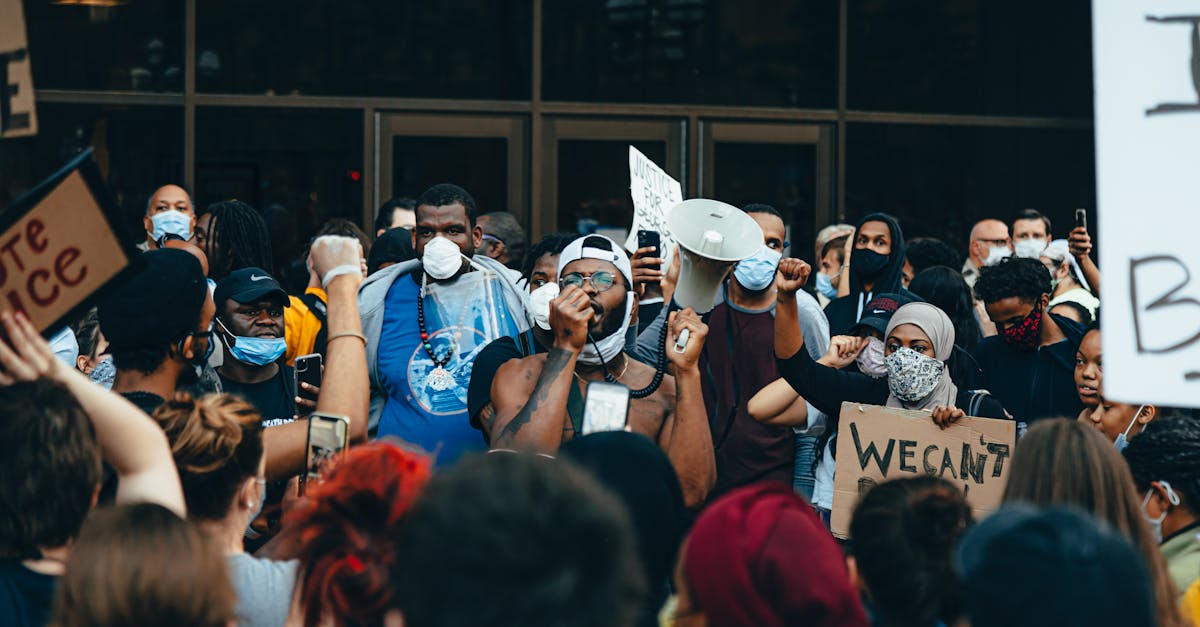
Protesters have gathered in Minneapolis, with both pro-ICE and anti-ICE demonstrators clashing outside City Hall. The tensions reflect broader disagreements about immigration policy and federal law enforcement practices.
What This Means
The standby deployment order represents a significant escalation in the federal government's response to protests and represents a test of how far the Trump administration is willing to go in using military force domestically. The move puts pressure on state officials and raises questions about the balance between federal and state authority in managing public order.
For Minneapolis residents, the situation creates uncertainty about what comes next. Local leaders are attempting to manage the situation without federal military involvement, but the presence of troops on standby suggests that option could change quickly.
The incident also highlights tensions between federal immigration enforcement and local communities. City officials argue that the large-scale ICE operations are not welcome and are creating the very unrest the federal government says it is trying to prevent. The question of whether federal troops will actually be deployed may depend on how protests evolve in the coming days and weeks.
The deployment decision will likely become a flashpoint in broader debates about immigration policy, federal authority, and the use of military force domestically.