Protests against Iran's government have stretched into their third week, drawing close attention from Israelis and Palestinians as deaths top 2,000 and arrests hit over 10,000. The unrest, sparked by economic woes in late December, now fills streets in 187 cities across all 31 provinces, with security forces using tear gas and live rounds to push back crowds. President Donald Trump has warned of military options, including airstrikes, while canceling talks with Iranian officials.
Background
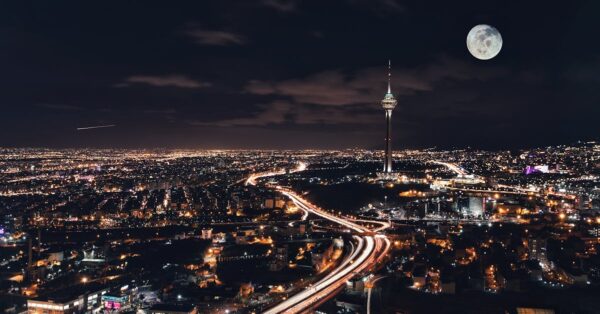
The demonstrations began in downtown Tehran over rising prices and a plunging rial, the national currency. What started as anger over daily costs soon turned into open calls to end the rule of Supreme Leader Ayatollah Ali Khamenei. Protesters filled Revolution Square and other spots, facing a harsh response from police and guards. A full internet blackout, now in its fifth day, has cut off news from inside the country and made it hard for people to organize.
Reports from activist groups put the death toll at least at 2,000, including nine children, with some opposition sources claiming up to 12,000 lost. Arrests stand at 10,721, according to data from groups tracking the events. Iran's state media says over 100 security members have died too, blaming armed outsiders for stirring violence. The government points fingers at the U.S. and Israel, saying they send in agents with guns to spark chaos.
Outside Iran, exiles have rallied in London, Paris, Washington, and Berlin, waving signs for change and pressing world leaders to step in. Iran's Foreign Minister Abbas Araghchi called the protests a 'terrorist war' in talks with diplomats. State TV showed pro-government crowds in major cities, waving flags and decrying American and Zionist plots.
Key Details
Israeli Reactions
Israeli officials have shown strong backing for the Iranian protesters. Leaders in Jerusalem see the unrest as a chance to weaken a long-time foe. Prime Minister Benjamin Netanyahu's office issued a statement praising the 'brave Iranians standing up to tyranny.' Lawmakers across parties have urged the world to back the demonstrators, with some calling for direct aid like satellite internet to break the blackout.
One Knesset member spoke out during a session this week.
"The people of Iran are fighting for the same freedoms we cherish here. Their struggle weakens the regime that threatens us all." – Knesset Member Yair Lapid
Military analysts in Israel point to the protests slowing Iran's nuclear work and proxy fights in the region. Reports say Israeli intelligence has tracked protest sites, ready to exploit any regime slip.
Palestinian Views
In the West Bank and Gaza, Palestinians take a different line. Many hope the protests fade fast so Iran's government stays put. Leaders in Ramallah say a stable Tehran helps their cause against Israel. Hamas officials in Gaza, who get funds and arms from Iran, have stayed quiet but sources close to them say they fear a collapse would hurt their stand against Israeli forces.
Palestinian Authority spokesman Hussein al-Sheikh noted the worries.
"Iran has stood by us in tough times. We want peace there so focus stays on our rights." – Hussein al-Sheikh, Palestinian Authority spokesman
Street talks in Ramallah show split feelings. Some younger Palestinians cheer any regime fall, but elders recall Iran's aid during past wars with Israel. Groups like Islamic Jihad, tied to Tehran, have told members to avoid commenting publicly.
Trump's moves add to the tension. He posted on social media telling Iranians to keep protesting and take over buildings, promising help is coming. The White House looks at tariffs on nations trading with Iran, already hitting China with backlash. Vice President J.D. Vance pushes talks first, but Press Secretary Karoline Leavitt said airstrikes stay on the table. The State Department warns Americans to flee Iran by land to Armenia or Turkey.
What This Means
For Israelis, the protests offer hope of a weaker Iran, cutting threats from its nuclear program and groups like Hezbollah. A fall in Tehran could reshape alliances, easing pressure on Israel's borders. But it risks chaos next door, with militias possibly grabbing power or loose weapons spreading trouble.
Palestinians face losses if Iran stumbles. Funds for Gaza tunnels and rockets could dry up, forcing Hamas to seek new backers like Qatar or Turkey. The Palestinian Authority might gain if U.S. eyes shift away from Tehran, but a power vacuum in Iran could spark wider Middle East fights pulling in everyone.
Trump's tariff plan squeezes Iran's oil sales, already down from sanctions. China gripes it hits their trade, while Europe watches for refugee waves if unrest topples the regime. The U.N. human rights chief called for an end to killings and internet blocks, but Tehran brushes it off as foreign meddling.
Exiled Crown Prince Reza Pahlavi urges crowds to overwhelm police with numbers and begs Trump for quick backing. Security firms note Iranian threats of fast punishment, with forces breaking up gatherings. Strikes and boycotts spread, hitting factories and shops despite the crackdown.
Global markets feel the shake, with oil prices jumping on fears of supply cuts. Neighbors like Saudi Arabia quietly cheer, seeing a rival hurt. The protests test Iran's hold after years of tight control, with each day of defiance raising odds of bigger change.