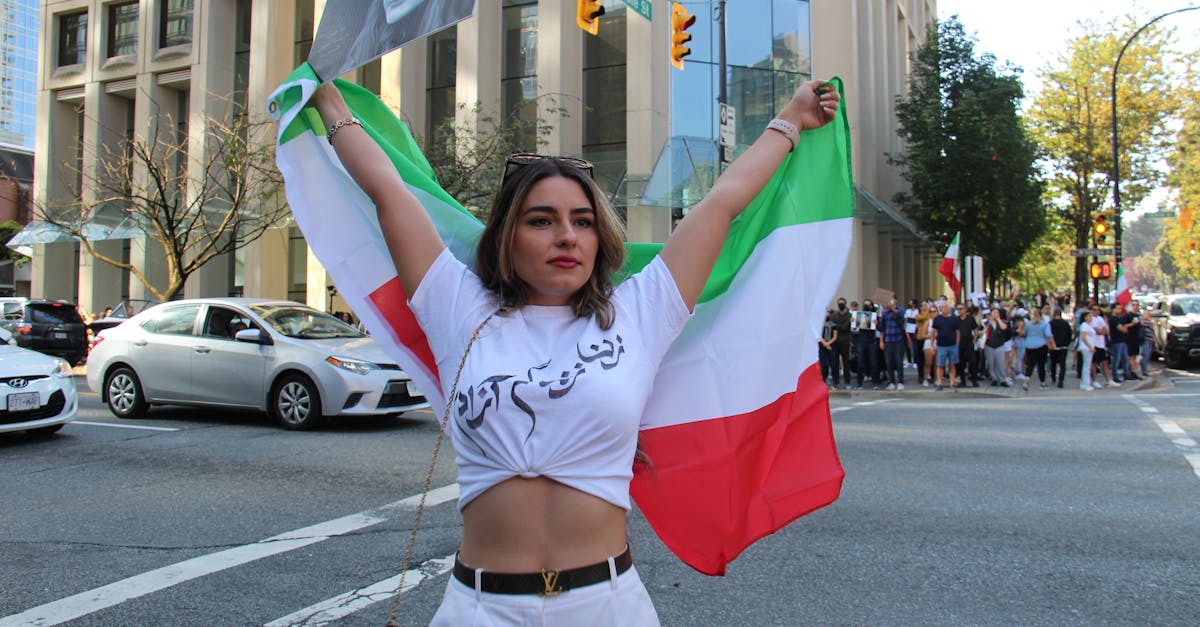
Iran has told countries near its borders that it could strike American military bases there if the United States attacks. This comes as protests against the government drag into a third week across the country. Demonstrators have filled streets in major cities, facing a harsh crackdown from security forces. At least 2,000 people have died, and more than 10,000 have been arrested, according to reports from inside Iran. President Donald Trump has said the US is ready to act, including with airstrikes, while his team looks at talks as another path.
Background
The protests started in late December at Tehran's Grand Bazaar. People took to the streets over a sharp drop in the value of Iran's money and years of hard economic times. What began as anger over prices soon turned into open calls to end the rule of Supreme Leader Ayatollah Ali Khamenei and the whole system. Cities from Tehran to smaller towns have seen marches, strikes, and acts of defiance. The government cut internet access nationwide to stop news from spreading and to block people from organizing.
Security forces have moved in with force. They have used guns on crowds, beaten people in the streets, and rounded up thousands. Reports say the real number of deaths could be higher than 6,000 in recent days alone, though exact counts are hard to confirm with communications down. Protesters have fought back by breaking government buildings and symbols of the regime. Iran's leaders blame the US and Israel for stirring up the unrest, saying outside groups brought in weapons to make things worse.
This is not the first time Iran has seen big protests. Past waves came over fuel prices and other issues, but this one feels different. It has lasted longer and spread wider, with people from all walks of life joining in. The economy is in bad shape after losses in the region and tough US sanctions. The currency crash made basics like food and fuel too expensive for many families. That frustration boiled over into demands for real change.
Key Details
Iran's top officials have ramped up their warnings to the US. The foreign minister said the country has proof of US and Israeli agents arming groups to turn peaceful protests violent. Tehran says it does not want war but is ready for it. Officials have hinted at pre-emptive action and striking hard if attacked first. They told neighbors in the region to watch out, as US bases in places like Qatar and other spots could be targets.
In Washington, President Trump has posted strong messages backing the protesters. He called the US 'locked and loaded' to help them and warned Iran not to kill more people. The White House is looking at a list of moves, from airstrikes on regime targets to new tariffs on nations trading with Iran. On January 12, the US said it would put 25 percent tariffs on any government doing business with Tehran. Vice President J.D. Vance wants to try talks first, but Trump has made clear he will use force if needed.
Protest Scale and Response
Protests went on at a steady pace on January 13, even with the crackdown. People kept up strikes and marches despite arrests. The US Embassy warned Americans to stay away from land borders, as unrest could spill over and turn violent. Iran's Revolutionary Guard has a big role in putting down the demonstrations. Some reports say the regime might start a fight itself to rally support at home.
"Iran does not seek war but is fully prepared," said Foreign Minister Abbas Araghchi, pointing to documents on foreign interference.
Trump brought up a past raid on Venezuela's leader as proof of US power. He also noted how the US destroyed Iran's nuclear program before. Iran remembers a time last year when it fired missiles at a US base in Qatar after strikes, but that was more show than real harm.
What This Means
The warnings from Iran raise the risk of a wider fight in the Middle East. US bases host thousands of troops and sit close to Iran. A strike there could pull in allies like Saudi Arabia or the UAE, who host some of them. Israel stays ready on its side, with forces on alert. If Trump orders airstrikes, Iran might fire back with hundreds of missiles at US spots and Israeli targets.
For the protesters, outside help could shift things, but military action carries dangers. Bombs might hit the wrong places or strengthen hardliners in Tehran by sparking national anger. Sanctions and tariffs add pressure on Iran's economy, which could fuel more unrest or push leaders to deal. The regime faces a fight for its life, with survival on the line.
Diplomacy hangs by a thread. Iran sends mixed signals, tough in public but softer in private talks. US leaders say Tehran knows Trump's resolve. Sanctions relief and a way back into world trade could come if Iran agrees to nuclear limits and political shifts. Protests show deep anger that will not fade soon, even if leaders hold on for now.
Trump's team weighs when and how to step in. The central question is support for Iranians without starting a full war. Neighbors watch closely, as any clash could close trade routes and spike oil prices worldwide. The unrest tests not just Iran but the balance of power in the region. Protesters keep pushing, betting their push for change will outlast the guns.