
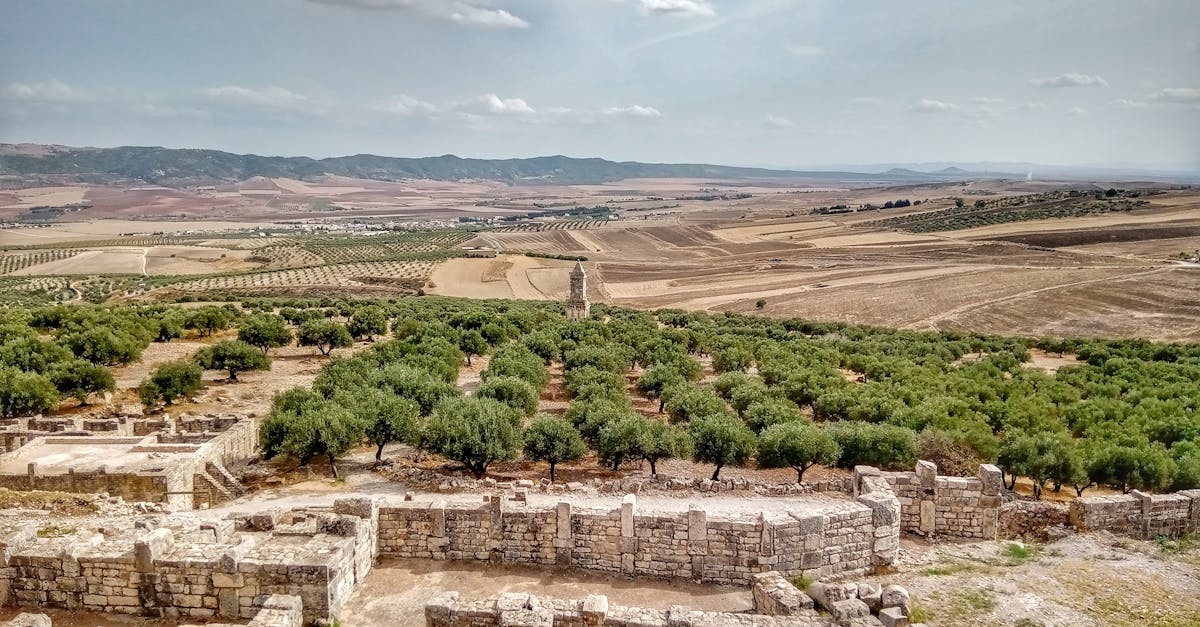
Israeli military authorities have issued an order to seize 1.8 square kilometers of land around the ancient site of Sebastia in the occupied West Bank. This action, announced recently, marks the largest confiscation of an archaeological area since Israel took control of the territory in 1967. The land belongs to Palestinian villages of Burqa and Sebastia, and includes thousands of olive trees. Palestinians see it as a direct attack on their property and history, while Israel says it protects sites linked to Jewish heritage from 2,800 years ago.
Background
Sebastia sits 12 kilometers northwest of Nablus in the northern West Bank. People have lived there continuously since the Bronze Age, making it one of the oldest spots in the area. Christians and Muslims believe it holds the burial place of John the Baptist. The site also ties to the ancient Israelite kingdom of Samaria, where a king named Omri made it his capital around 880 BCE.
Israel captured the West Bank, Gaza, and East Jerusalem in the 1967 Six-Day War against Arab states. Since then, it has built over 500,000 Jewish settlements in the West Bank and more than 200,000 in east Jerusalem, areas Palestinians claim for their state. Sebastia has been on UNESCO's tentative World Heritage list for Palestine since 2012.
For years, Palestinian owners faced restrictions. Israeli authorities often blocked them from cleaning, repairing, or even farming the land. Local farmers like Zuedi, an elderly resident, say soldiers showed up in jeeps and told them to leave their own fields. The land is all privately owned, with records in the Palestinian land registry.
In 2023, Israel set aside over 30 million shekels, about 8 million euros, to turn the site into a tourist spot. Now, the Antiquities Authority wants to expand its reach into this West Bank area to build a national park. They call it fixing a wrong by reclaiming Jewish history.
Key Details
The confiscation order covers nearly 1,800 dunams, or about 450 acres. That's a huge chunk for an archaeological zone. A map handed to locals by the Israeli army shows the exact boundaries, all marked as private Palestinian property.
Palestinians have 14 days to object to the order. Groups tracking settlements say this fits a pattern. Past cases like Deir Qal'a and Deir Samaan saw similar seizures. Those sites now sit inside Israeli settlements, cut off from Palestinian access.
Local people rely on the land for olive farming and tourism. They guide visitors through ruins that span Roman, Byzantine, and Islamic eras. Losing control means no more Palestinian-led visits. Soldiers have already chased farmers away, with one man telling reporters:
"I'm an old man trying to make a living. Two Israeli army jeeps came here and ordered me to leave. I told them this is my land."
– Zuedi, Sebastia landowner
Recent Moves Around Sebastia
This seizure comes amid other actions. Settlers built a new outpost near Bethlehem on old military land. They put up temporary homes and brought in bulldozers. The Etzion settler council chair, Yaron Rosenthal, called it a return to biblical sites tied to Rachel and King David.
Violence has risen too. A Palestinian activist, Ayman Ghrayeb Odeh, who filmed settler attacks, was detained by Israel's Shin Bet on incitement charges. He ended up in hospital, and his family says authorities won't say why or where he is. His brother noted he just posted photos of daily life in the Jordan Valley.
Human rights groups report Israel expelled 32,000 Palestinians from three refugee camps this year. They point to top officials for possible war crimes under international law, which limits land takes in occupied areas to local needs only.
What This Means
For Palestinians, this feels like part of a bigger push to take West Bank land bit by bit. They say Israel uses history as a tool to claim ownership and push them out. Olive trees provide income for families, and the site draws tourists who learn Palestinian stories. Now, a national park could shift focus to Jewish roots, sidelining other layers from Assyrian to Ottoman times.
Israel argues the move saves fragile ruins from neglect. The Antiquities Minister spoke of a 2,800-year-old capital and plans millions in funding for digs and paths. But critics note past parks often lead to nearby settlements, blocking Palestinian paths.
Tensions run high. Settler attacks have spiked, and groups like Peace Now watch every new order. Palestinians fear more seizures ahead, as powers grow for Israeli agencies over West Bank sites. Farmers stand to lose groves they've tended for generations. Tourism jobs vanish if access changes.
The order tests international rules on occupied land. Public projects should help locals first, not distant groups. With over half a million settlers already there, each grab shrinks space for two states. Locals in Burqa and Sebastia brace for fights in court and on the ground. Soldiers patrol more, and families wonder if their fields will stay theirs.