
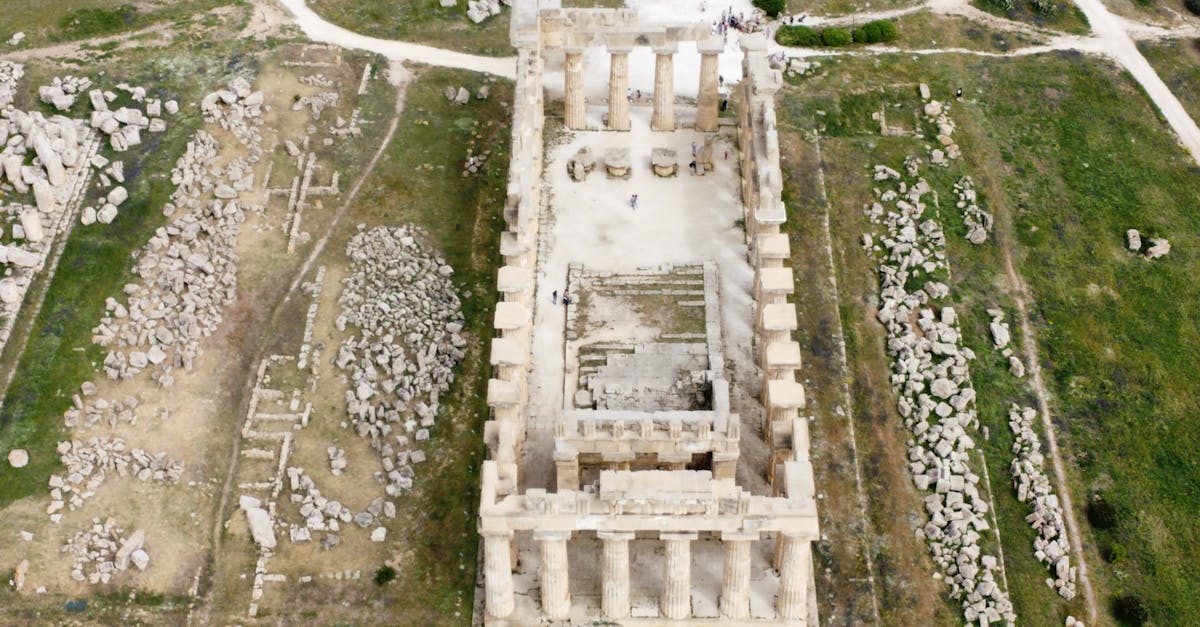
Israeli military forces have seized 1.8 square kilometers of land at the ancient Sebastia site in the occupied West Bank. This marks the largest confiscation of an archaeological area there since 1967. The move came through an order from Israel's Antiquities Authority, which claims the land holds Jewish heritage from thousands of years ago. Palestinians who own the private land see it as a direct attack on their history and property rights. The site sits 12 kilometers northwest of Nablus and has layers of ruins from the Bronze Age onward.
Background
Sebastia has stood for thousands of years. People believe it holds the burial place of John the Baptist, a key figure in history. It is one of the oldest spots in the West Bank where people have lived without break. Over time, empires came and went—Assyrians, Romans, Byzantines, and more left their marks in the stones. Today, it draws visitors for its Roman theater, old walls, and churches.
Palestinians have tended the site for generations. Families farm nearby fields and sell goods to tourists. But for years, Israeli rules blocked them from fixing up the ruins. They could not renovate, clean, or build much. Local leaders say this kept the place from growing as a spot for their culture. Now, with the new order, they fear losing access altogether.
The West Bank has been under Israeli military control since the 1967 war. Israel took the area, along with Gaza and east Jerusalem, in that conflict. Over 500,000 Jewish settlers now live there in communities many see as illegal under international law. Palestinian areas are broken up by these spots and army checkpoints. Land fights like this one fit into a long pattern of disputes over who controls historic places.
Israel's government has pushed more settlement activity in recent years. Far-right leaders hold key roles, including ones over finance, police, and settlement policy. They back expanding Jewish presence in the West Bank. At the same time, violence has risen—settler attacks on Palestinians and army raids in response. Human rights groups track thousands displaced from camps this year alone.
Key Details
The confiscation order covers 1.8 square kilometers, or about 450 acres. That makes it the biggest for any archaeological site in the West Bank since 1967. Israel's Antiquities Minister announced the plan last week. He said the land links back 2,800 years to King Omri, who made Sebastia an ancient capital for Israel. The minister called the takeover 'correcting an injustice' and pledged millions of dollars to turn it into a national park.
Army jeeps showed up on the land right after. One farmer, an older man named Zuedi, said soldiers told him to leave his fields.
"I'm an old man trying to make a living. Two Israeli army jeeps came here and ordered me to leave. I told them this is my land."
— Zuedi, local farmer
Maps from the army mark the exact borders. All the land is listed in Palestinian records as private property. Owners have papers from the land registry. But under military law, Israel can declare state land for public use like parks or digs.
Site's Layers of History
Sebastia holds ruins from many eras. A big Roman theater seats thousands. There are Philistine gates, Crusader churches, and Ottoman mosques. Palestinians point to these as proof of their long ties to the land. Israel focuses on Iron Age finds tied to biblical kings. Both sides claim the history backs their rights. Past digs have uncovered coins, pots, and walls from different times.
Work to turn it into a park has started quietly. Bulldozers move earth, and plans call for paths, signs, and visitor centers. Palestinians worry this will block their farms and homes nearby. Some fields sit right inside the new borders.
What This Means
This seizure adds to Israel's hold on over 40% of the West Bank, by some counts. Groups that watch settlements call it a step toward full control, without a formal announcement. Turning historic sites into parks has happened before—near Hebron and Jerusalem. Each time, it limits Palestinian access and boosts Jewish tourism.
For locals, it hits hard. Sebastia brings money from visitors who buy olives, soap, and embroidery. Losing the land cuts that income. Farmers like Zuedi face empty fields. Broader, it changes who tells the story of the place. Signs and guides will highlight Jewish links, say critics. Palestinians fear their role fades.
Talks of peace have stalled for years. This move makes a two-state deal look farther off. The Palestinian Authority runs parts of the West Bank but has little say over land like this. They called the order a violation of history. International groups may speak out, as they have on past grabs. But enforcement stays weak.
Violence ties in too. Recent settler clashes and army actions fill the news. One watchdog group noted a new outpost on old army land nearby, with homes and machines already there. Palestinians link these steps to bigger aims of changing the map.
Owners plan to fight in Israeli courts, though wins are rare. Some talk protests, but army presence keeps crowds small. The park could open in months, reshaping daily life around Sebastia for good.