
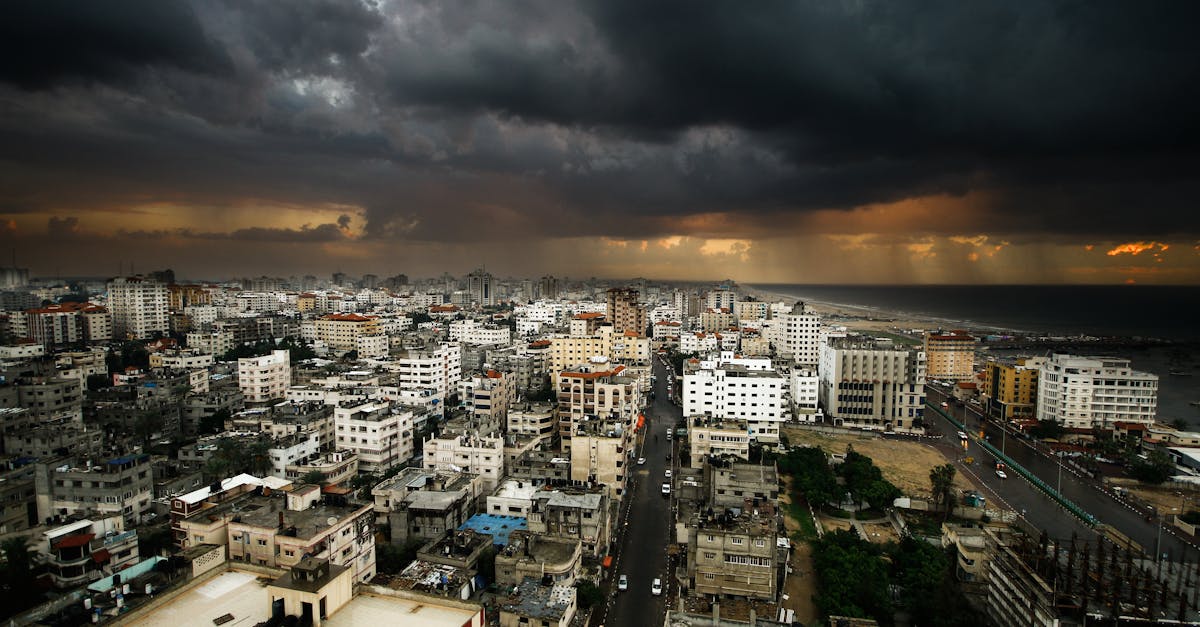
Israeli airstrikes killed at least 27 Palestinians across Gaza on Saturday, including women and children in residential areas and displacement tents. The military said the strikes responded to ceasefire violations by Palestinian militants the day before. Hospitals in Gaza reported the dead and wounded from attacks in Gaza City, Khan Younis, and central areas. This happened a day before the Rafah crossing with Egypt plans to reopen for the first time in months.
Background
The strikes took place during a US-brokered ceasefire that started in early October after two years of war. That war left more than 71,000 Palestinians dead and destroyed most homes, schools, and hospitals in Gaza. The ceasefire aimed to stop the fighting, let aid in, and start rebuilding. But both Israel and Hamas have pointed fingers at each other for breaking the deal almost from the start.
Since October, Israeli forces have killed over 500 Palestinians in Gaza, according to local health officials. In the same time, four Israeli soldiers died in what the army calls militant attacks. Gaza authorities count 1,450 Israeli violations, including arrests of 50 Palestinians from homes far from combat zones. Aid trucks entered at only 43% of the agreed amount, with 28,927 out of 66,600 allowed in so far.
The Rafah crossing stayed closed through most of the war. It serves as the main way out for sick and wounded people needing care abroad. Gaza's hospitals lack power, medicine, and staff after the fighting wrecked them. Reopening Rafah marks the start of the ceasefire's second phase, which includes more aid, demilitarizing Gaza, and setting up a new local government for repairs.
Key Details
Hospitals gave details on the Saturday strikes. In Gaza City's Rimal neighborhood, an airstrike hit a residential apartment. It killed five people: three children and two women. Medical teams at Shifa Hospital took in the bodies and treated the injured.
Strikes in Southern Gaza
In Khan Younis, paramedics at Nasser Hospital said seven died in a tent for displaced families. The dead included a man, his three sons, and three young grandchildren. Witnesses saw the tent catch fire after the hit. Another strike wounded people in Khuza'a town east of Khan Younis.
In Rafah's north, two civilians died in Khirbet al-Adas from airstrikes. One more died from gunfire in Shakush south of Gaza.
Central and Northern Attacks
Central Gaza saw heavy action. In Deir al-Balah, four died in a house and nearby tent. In Az-Zawayda, a strike killed photojournalist Amr al-Derawi and his parents in the Shalt family home. Five died in Nuseirat refugee camp's Mishmish family house, including two children. Artillery hit Khuza'a, and naval fire shelled Nuseirat shores.
In Gaza City, a police station strike killed and wounded at least eight. Other hits targeted al-Tuffah neighborhood apartments, al-Jalaa Street, and Bureij camp east. No deaths reported there, but injuries occurred. In Al-Mawasi south, a shelter for tens of thousands of displaced people got hit, with casualty numbers unclear.
"The death toll from Israeli air strikes since dawn on Saturday has risen to 22, most of them women and children, with others still trapped under the rubble." – Mahmud Bassal, Gaza civil defense spokesman
Rescue teams worked amid rubble, but many stayed trapped. Gaza's health ministry said strikes continued despite shortages of oxygen, power, and supplies at places like Indonesian Hospital in Beit Lahia.
What This Means
Saturday's toll stands as one of the highest since the ceasefire began. Local counts vary from 22 to 29 dead, but all agree most victims were civilians in homes and tents. This raises questions about the truce's strength as it enters phase two.
The Rafah reopening on Sunday offers hope for medical evacuations and more aid. Thousands wait for treatment outside Gaza. But the strikes show risks to that progress. Hamas called the attacks a 'flagrant violation' and asked US mediators to press Israel to stop.
Israel's army did not name targets but linked the strikes to Friday violations. Both sides keep up claims of the other starting trouble. Limited access for reporters makes it hard to check all details on the ground.
The war overall killed over 45,000 Palestinians by late last year, with numbers likely higher now. Rebuilding faces $70 billion costs, per UN estimates. Gaza holds 2 million people in tight spaces, many still displaced. These strikes add to the strain on families, medics, and aid groups trying to help.
Talks on the ceasefire's next steps focus on borders, security, and governance. Violence like this could slow those efforts. Families bury their dead at hospitals like Al-Aqsa Martyrs in Deir al-Balah, while life goes on under threat. The path to lasting calm remains unclear.