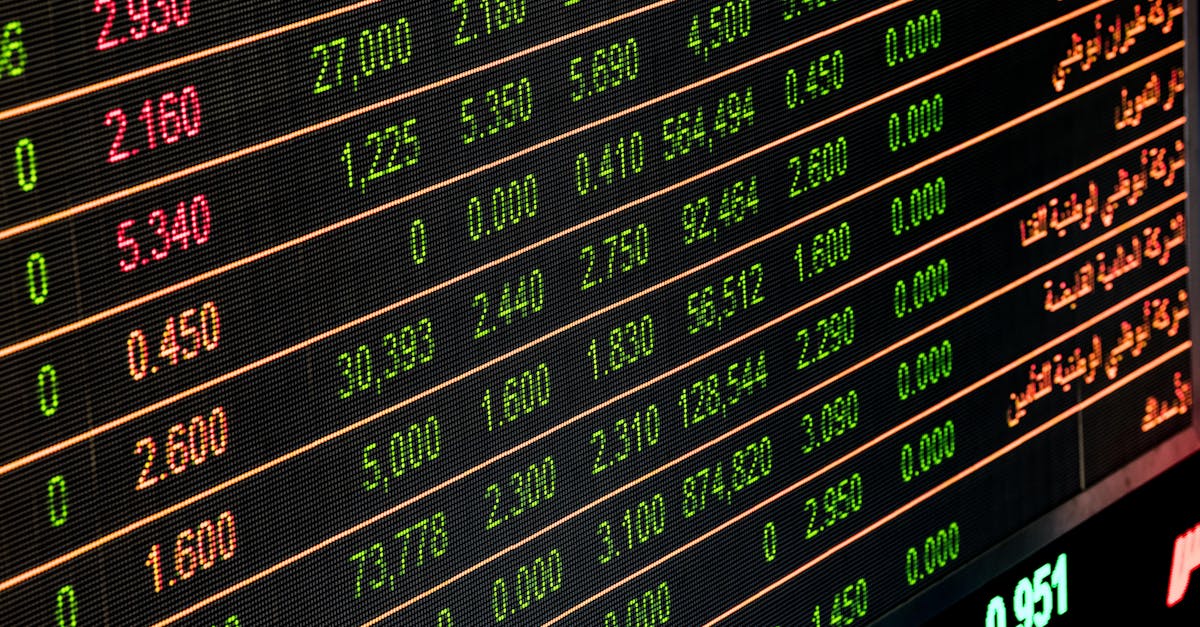
South Korea's Kospi index fell 3.86% on February 5, 2026, closing at 5,163.57 after a wave of selling tied to losses in US technology stocks the night before. The drop came as foreign investors sold a record 5 trillion won worth of shares, while local retail traders bought nearly 7 trillion won to limit the damage. Trading opened lower and stayed weak all day in Seoul.
Background
Asian markets often follow moves from Wall Street, and this time was no different. US indexes like the Nasdaq fell 1.51% overnight due to worries over high prices for big tech firms. Those shares, known as the Magnificent Seven, faced heavy selling from investors who thought they were overvalued.
In South Korea, the Kospi had hit a record high above 5,300 points just a day earlier. But early trading on Thursday saw it drop 1.35% in the first 15 minutes, down to 5,298.39. The index opened at 5,251.03, already 2.24% below the prior close, and dipped as low as 5,142.20 during the session.
This came after a rough patch last week. On February 2, the Kospi had plunged 5.26% to 4,949.67, its first close below 5,000 in five days. That day, a circuit breaker halted futures trading at 12:31 p.m. when prices swung more than 5% in a minute. Big names like Samsung Electronics fell 6.29% to 150,400 won, and SK Hynix dropped 8.69% to 830,000 won.
The earlier sell-off linked to news of Kevin Warsh, a former Fed official seen as tough on rate cuts, being eyed for the next Federal Reserve chair. Markets worldwide reacted: gold down 11%, silver 31%, Bitcoin below $80,000. US indexes like the Dow fell 0.36%, Nasdaq 0.94%, and S&P 500 0.43%. Foreigners sold over 2.2 trillion won in Korea that day, but locals bought 4.5 trillion won.
The KOSDAQ, focused on smaller growth stocks, also hurt. It closed down 4.44% at 1,098.36 on February 2, then 3.57% at 1,108.39 on February 5.
Key Details
On February 5, the Kospi lost 207.53 points to end at 5,163.57. Foreign investors set a single-day record by selling 5.0217 trillion won net, topping their prior high from November last year. Institutions sold 2.0705 trillion won. Retail investors countered with 6.7639 trillion won in net buys, beating their February 2 record of 4.5874 trillion won.
Major stocks all closed lower. Samsung Electronics dropped 5.80%, SK Hynix 6.44%. Hyundai Motor fell 3.08%, Samsung preferred shares 5.81%, LG Energy Solution 1.86%, Samsung Biologics 3.35%, SK Square 6.15%, Hanwha Aerospace 7.33%, Kia 0.38%, and Doosan Enerbility 6.11%.
Trading on KOSDAQ
The KOSDAQ saw similar action. Retail bought 903.4 billion won net, while foreigners sold 286.2 billion won and institutions 539.9 billion won. Top stocks declined: EcoPro 4.72%, EcoPro BM 4.94%, Alteogen 4.68%, Rainbow Robotics 6.08%, Samchundang Pharmaceutical 7.88%, ABL Bio 3.37%, Kolon TissueGene 0.50%, LEENO Industrial 2.55%, Legochem Biosciences 1.99%. Only HLB rose 4.91%.
The won weakened to 1,461.8 against the dollar, down 11.6 won.
"Tech stocks in the U.S. market have fallen for two consecutive days, starting to affect the domestic market," said Lee Kyung-min, a researcher at Daishin Securities. "The decline in semiconductor stocks appears to be due to rally fatigue and profit-taking amid a value stock re-rating phase."
Lee Jae-won from Shinhan Investment Corp. added that results from US firms like AMD and Alphabet cooled hype around chips and AI, sparking sales.
What This Means
The sharp drop shows how tied South Korean markets are to US tech trends. Semiconductors make up a big part of the Kospi, with Samsung and SK Hynix as top weights. When US chip stocks pull back on profit-taking or valuation fears, Seoul feels it fast.
Retail investors stepped up big, absorbing record sales from foreigners and institutions. This pattern held over two days: locals bought heavily as outsiders fled. It helped cap losses but could not stop the overall slide.
Broader effects touch jobs and growth. Tech and chip firms employ thousands, and their shares affect pensions and savings. A continued US tech slump might slow Korea's export-driven economy, which relies on chips for phones, cars, and servers.
Traders now watch US markets for more clues. If tech rebounds, Asia could follow. But ongoing worries over Fed policy, like slower rate cuts under a hawkish chair, add pressure. The Kospi's break below key levels like 5,200 raises questions on support.
Circuit breakers, like on February 2, aim to calm panic trades. They kicked in when futures swung too far, giving a pause. But with records broken in buying and selling volumes, volatility remains high.
For everyday people, this means watching bank accounts tied to stocks. Many Koreans hold shares directly or through funds. The back-and-forth between locals and foreigners highlights divides in market views: outsiders bet on downturns, while home traders see value.
Experts point to US earnings as a trigger. Big tech reports showed solid numbers but not enough to match sky-high hopes. AI growth fears grew, hitting related Korean firms. Profit-taking followed long rallies in semis.
The won's slide makes imports costlier, from oil to food. It helps exporters like Hyundai and Kia short-term but squeezes households.
Markets will reopen Friday with eyes on Wall Street's close. Any stabilization there could ease pressure. But with fresh records in flows, caution rules the floor.