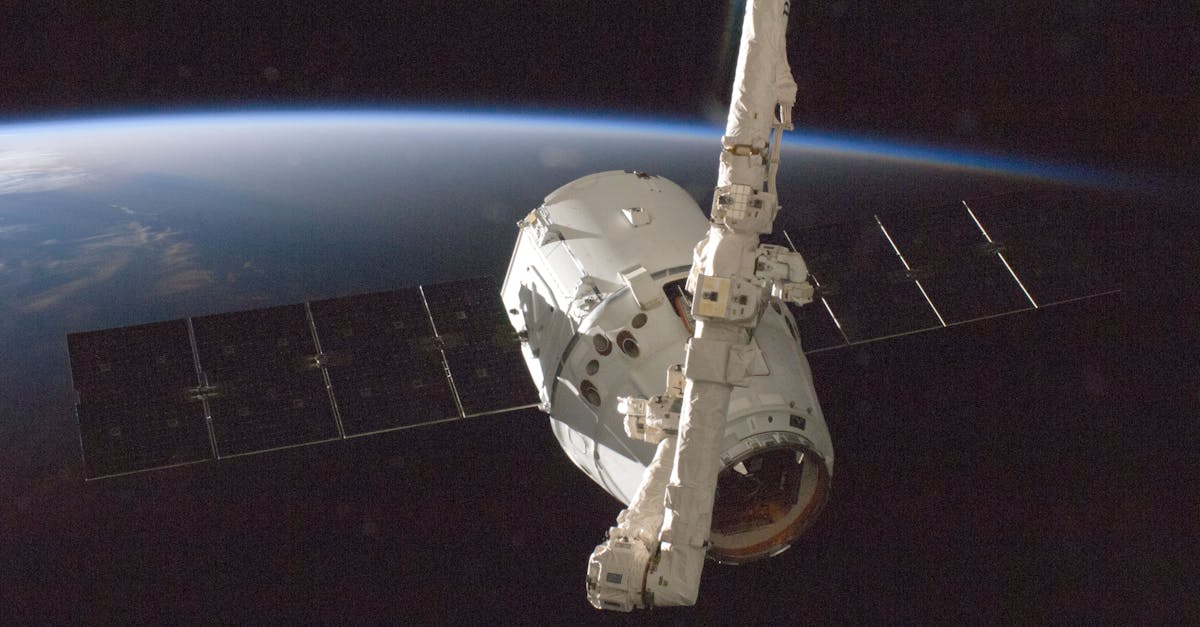
Thousands of satellites circle Earth in low-Earth orbit, a busy zone less than 2,000 kilometers above the surface. New calculations show that if operators lose control of these spacecraft, the first major collision could happen in just 2.8 days. This timeline comes from a measure called the CRASH Clock, developed by astrophysicists to track collision risks. The work points to threats like solar storms that could knock out navigation and communication systems at the same time.
Background
Low-Earth orbit holds most active satellites today, including networks for internet, weather tracking, and navigation. Starlink alone runs thousands of them, with close passes happening every 11 minutes within its group. Across all major networks, satellites come within one kilometer of each other once every 22 seconds. Operators keep them safe by firing small thrusters for course changes. Each Starlink satellite does this about 41 times a year, burning fuel to dodge others.
Space has grown far busier since 2018. Back then, the same loss of control would have given 121 to 128 days before a crash. Now, with more launches, the window has shrunk to days. In 2025, records show 324 orbital launches, up 25 percent from the year before. This trend fills the skies with more objects, from working satellites to old debris.
Solar storms make things worse. These bursts from the sun hit Earth and heat the upper atmosphere. The air swells, pulling satellites lower and raising drag. Positions become harder to predict, so more dodges are needed. In May 2024, during one such event called the Gannon Storm, over half of low-Earth orbit satellites had to adjust paths and use extra fuel.
Storms also zap electronics directly. Radiation can blind sensors or cut communications, leaving satellites unable to react to nearby threats. Without ground commands, they drift on set paths straight toward danger.
Key Details
The CRASH Clock measures how long it would take for a crash after every satellite loses control. Short for Collision Realization and Significant Harm, it treats the orbital zone like a crowded highway without traffic lights. Researchers modeled satellite paths and close approaches to set the current value at 2.8 days as of late 2025. A full blackout carries a 30 percent chance of a big hit within 24 hours.
Starlink Maneuvers and Orbit Changes
SpaceX, which runs Starlink, handles a huge share of the traffic. From late 2024 to mid-2025, its satellites made 144,404 avoidance moves, double the rate from before. Last December, one Starlink craft suffered an anomaly at 418 kilometers up. It lost contact, vented fuel, dropped four kilometers, and shed small objects. No crash followed, but it showed how one failure spreads risk.
To fight this, SpaceX plans to shift 4,400 satellites in 2026. They will drop from 550 kilometers to 480 kilometers altitude. Fewer craft fly that low, cutting collision odds. The lower spot also speeds natural decay at life's end. In quiet sun periods, dead satellites now take over four years to fall and burn up. At 480 kilometers, that drops to months, clearing junk faster.
"The CRASH Clock is a statistical measure of the timescale expected for a close approach that could give rise to a collision," said Aaron Boley, an astronomer at the University of British Columbia. "It helps evaluate the overall health of the orbital region."
Other experts track these risks too. Professors note maneuvers have surged as constellations expand. Still, no one controls all traffic. Different companies share little data on paths, leading to surprise near-misses.
What This Means
A single crash could spark more. Wreckage flies at high speeds, smashing other satellites and making new debris clouds. This is Kessler syndrome, where junk multiplies until no safe launches are possible. The full effect builds over years or decades, but the start could come fast—days after a storm or glitch.
Daily life relies on these satellites. Phones use them for GPS. Internet reaches remote areas through Starlink. TV broadcasts and banking transactions depend on signals from orbit. A chain of crashes would cut those services, stranding ships at sea or grounding flights without navigation.
Governments and firms watch closely. More launches mean more fuel burned on dodges, shortening satellite lives. Fuel runs low, and dead craft become hazards. The CRASH Clock value may drop further if shells at key altitudes keep filling. Researchers expect it to worsen without changes in how space is used.
SpaceX's orbit drop is one step. It aims to pack satellites tighter but safer, with quicker cleanup. Others may follow. Talks grow about rules for orbits, like reserving lanes or sharing track data better. For now, the 2.8-day mark stands as a warning. Solar storms happen every few years, and the next big one could test the system.
The clock ticks as 2026 brings more missions. Operators plan ahead, but nature or errors could flip the switch. Low-Earth orbit supports global needs, yet its thin margin shows in hard numbers. Keeping it open means watching every pass and storm.