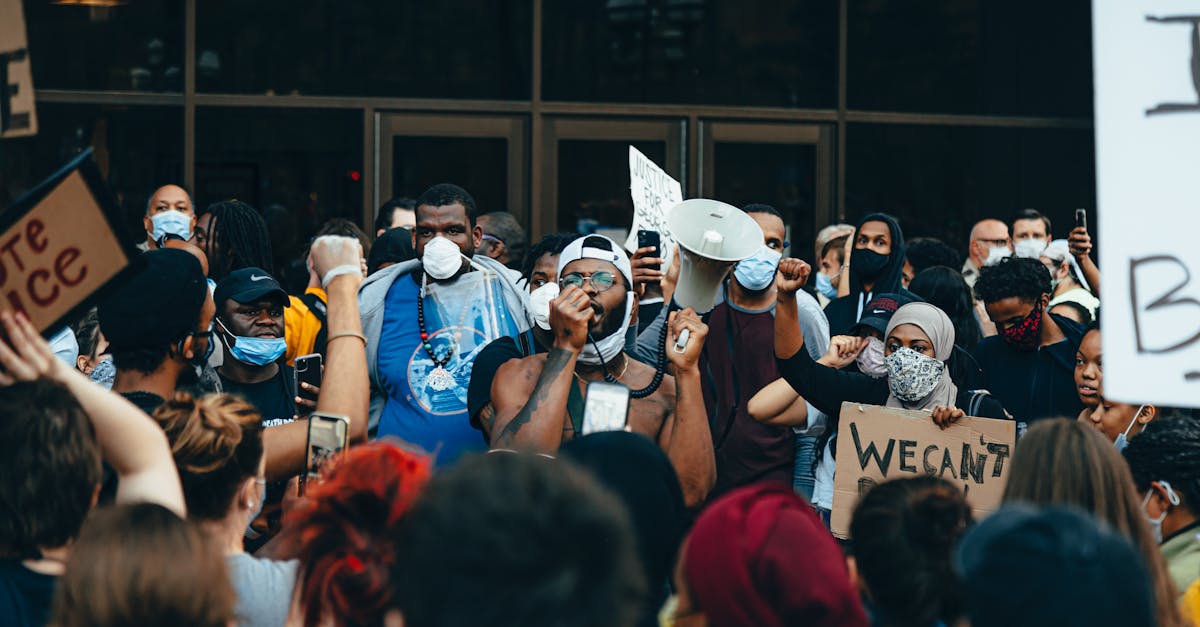
Thousands of protesters took to the streets of Minneapolis on Sunday, chanting "Shut it down" and demanding accountability after Border Patrol agents fatally shot 37-year-old Alex Pretti on Saturday morning. The shooting marked the second fatal incident involving federal agents in the city within two weeks, intensifying anger over what residents describe as an aggressive federal immigration crackdown that has transformed Minnesota into a flashpoint in the Trump administration's enforcement operations.
Protesters waved signs calling for justice for Pretti, an intensive care nurse who worked at the Minneapolis Veterans Affairs hospital. The demonstrations came as federal agents continued raids across Minnesota, and as local leaders expressed alarm over the escalating violence and what they characterize as unchecked federal power.
Background
The current wave of federal immigration enforcement in Minnesota began in early January 2026 under what authorities call Operation Metro Surge. The Trump administration significantly increased funding and deployed thousands of Immigration and Customs Enforcement (ICE) and Border Patrol agents across the state, targeting immigrant communities in aggressive raids and arrests.
Tensions first exploded on January 7 when ICE officer Jonathan Ross fatally shot 37-year-old Renée Good while she sat in her car. According to accounts of the incident, multiple ICE officers approached Good's vehicle. One officer stepped in front of her SUV, and when Good backed up, turned her wheel, and drove forward, Ross fired multiple shots, killing her. The shooting sparked immediate outrage and days of protests.
One week later, on January 15, another ICE officer shot a Venezuelan migrant in the leg during an arrest attempt. The department said the man and two others attacked the officer with a snow shovel and broom handle. The migrant was later charged with assaulting the officer.
These incidents occurred against a backdrop of what residents described as relentless ICE activity. Federal agents conducted raids at schools, daycares, and homes. On January 18, images circulated of a 56-year-old man named Thao being led from his home in handcuffs, wearing only underwear and a blanket in the snow, after ICE agents conducted what the department called a targeted operation. His family disputed claims that the suspects the agents sought actually lived there.
The cumulative effect of these operations prompted a historic response. On January 23, labor unions, faith leaders, and community organizations called for a statewide general strike and economic shutdown. Organizers encouraged Minnesotans to stay home from work and school, and to avoid shopping. The action was called the "Day of Truth & Freedom."
Key Details
The January 23 strike drew an estimated 50,000 or more people to downtown Minneapolis despite subzero temperatures. Tens of thousands marched chanting "No hate, no fear, immigrants are welcome here." Hundreds of Minnesota businesses closed in solidarity, with more than 700 pledging to shut their doors. About 100 faith leaders were arrested after blocking a key road outside Minneapolis-Saint Paul International Airport in an act of civil disobedience.
"We care about the safety of our neighbors. We believe it is deeply unjust taking people from their homes and deporting them, brutalizing them, and keeping them in detention centers. It's not something that should be happening." – Faith leader statement
The strike reflected deep concerns within Minnesota's labor movement. SEIU Local 26, which represents more than 8,000 janitors, window cleaners, and other property service workers, reported losing over 20 members to ICE abductions, often without warning and without due process. Many workers stayed home because they were hiding from federal immigration agents.
The coalition organizing the strike made specific demands. They called for ICE to immediately leave Minnesota, for officer Jonathan Ross to be held legally accountable for Good's death, and for Congress to deny ICE additional federal funding. They also demanded investigations into ICE for alleged human rights and constitutional violations.
On January 25, the day after Pretti's shooting, a judge granted a restraining order against the Department of Homeland Security. Federal officers continued operations, with a significant presence reported at City View apartments in Minneapolis's Near North neighborhood, where they faced verbal clashes with protesters.
The Pretti shooting
Alex Pretti worked as an intensive care nurse at the Minneapolis VA, where colleagues and family members described him as brilliant and passionate about the outdoors. He was shot and killed by Border Patrol agents on Saturday, January 25. The exact circumstances of the shooting were still being clarified as of Sunday, but the incident immediately reignited protests that had only begun to subside after the January 23 strike.
What This Means
The escalating cycle of federal enforcement, fatal shootings, and mass protests reflects a fundamental clash over immigration policy and federal authority in Minnesota. The state has become a focal point for resistance to the Trump administration's enforcement approach, with an unusually broad coalition of labor unions, faith leaders, and community groups united in opposition.
The two fatal shootings within weeks have raised questions about the training and accountability of federal agents conducting immigration enforcement. The fact that a judge granted a restraining order against DHS suggests courts may be examining the legality of federal operations. Meanwhile, the scale of the January 23 strike and ongoing Sunday protests indicate that public anger shows no signs of diminishing.
Federal agents have indicated they intend to continue operations in Minnesota. Local officials and activists have called for the operations to stop entirely. The outcome of this confrontation will likely shape how immigration enforcement proceeds not just in Minnesota, but across the country.