A federal judge in Minneapolis has barred Department of Homeland Security agents from arresting peaceful protesters. The order came down on January 16, 2026, in response to rising tensions from federal immigration raids in the Twin Cities. It follows a lawsuit by Minnesota's attorney general and the cities of Minneapolis and Saint Paul against DHS. The raids, part of Operation Metro Surge, started in December 2025 and have led to protests, clashes, and a fatal shooting on January 7.
Background
Operation Metro Surge began in late December 2025 when the federal government sent thousands of DHS agents, including from ICE and Customs and Border Protection, into the Minneapolis-St. Paul area. The agents, often armed and masked, carried out immigration enforcement actions. Officials said the operation targeted fraud claims in the Somali community and aimed to boost deportations.
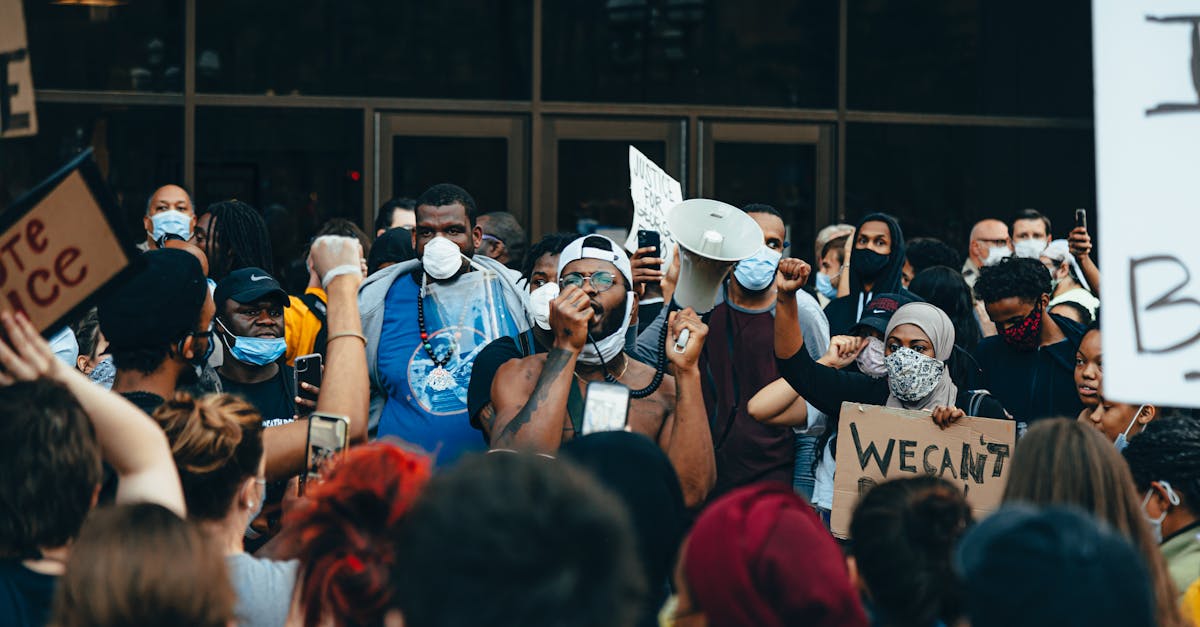
Protests started soon after the agents arrived. People gathered to oppose the raids, which they saw as heavy-handed. Federal agents used pepper balls and other crowd control tools during some events. Tensions boiled over on January 7 when a DHS agent shot and killed Renee Good during a protest. That incident sparked more demonstrations and legal challenges.
Minnesota Attorney General Keith Ellison filed a lawsuit on behalf of the state and the cities of Minneapolis and Saint Paul. The suit claims the federal surge violates the First Amendment right to free speech and assembly, the Tenth Amendment on state powers, and the equal sovereignty of states. It also accuses DHS of breaking the Administrative Procedure Act by acting in arbitrary ways.
Local police have faced extra strain. In Minneapolis, officers tracked overtime starting January 7 due to the federal actions. By January 9, they had logged over 3,000 overtime hours. The city estimates costs topping $2 million for just a few days between January 8 and 11. Calls to 911 spiked as people reported possible kidnappings or abandoned cars from DHS stops. Schools locked down, businesses closed, and police spent hours managing crowds and agent-related chaos.
The Trump administration ramped up the operation recently, sending over 2,000 more Homeland Security officials to Minnesota. Federal prosecutors have also opened probes into state leaders. On Friday, they issued grand jury subpoenas to Governor Tim Walz and Minneapolis Mayor Jacob Frey. The investigation looks at possible obstruction of federal officers under 18 U.S.C. 372.
Key Details
The judge's order specifically stops DHS agents from arresting anyone engaged in peaceful protesting. It limits their crowd control tactics after the Minneapolis shooting. Agents can still act against rioters or those breaking federal laws, but not against those peacefully assembled.
DHS pushed back on the ruling. A spokesperson said the First Amendment protects speech and assembly, but not rioting. The department plans to keep upholding the law and protecting officers and the public.
"The First Amendment protects speech and peaceful assembly — not rioting," DHS spokesperson Tricia McLaughlin said. "DHS is taking appropriate and constitutional measures to uphold the rule of law and protect our officers and the public from dangerous rioters. We remind the public that rioting is dangerous — obstructing law enforcement is a federal crime and assaulting law enforcement is a felony."
Federal Response and Probes
The White House and Justice Department have not commented yet on the judge's order. Sources say the Trump administration may appeal right away. Meanwhile, the Justice Department scrutiny of Walz and Frey marks a sharp escalation. Walz, who ran against Trump on the Democratic ticket in 2024, called it an authoritarian move.
"Weaponizing the justice system against your opponents is an authoritarian tactic," Walz said on X. "The only person not being investigated for the shooting of Renee Good is the federal agent who shot her."
The subpoenas seek information on alleged efforts to block immigration agents. A person familiar with the probe said it focuses on conspiracies to impede federal officers. DHS agents have faced accusations of pointing guns at bystanders, using force on peaceful people, and operating near schools, churches, and hospitals.
Attorney General Ellison detailed the harms in the lawsuit. He said people face racial profiling, harassment, and assaults. Local resources are stretched thin cleaning up after federal actions.
"The unlawful deployment of thousands of armed, masked, and poorly trained federal agents is hurting Minnesota," Ellison said. "People are being racially profiled, harassed, terrorized, and assaulted. Schools have gone into lockdown. Businesses have been forced to close. Minnesota police are spending countless hours dealing with the chaos ICE is causing. This federal invasion of the Twin Cities has to stop."
What This Means
The judge's order puts immediate limits on DHS in Minnesota. Agents must now distinguish between peaceful protesters and others during operations. This could slow down arrests and deportations in the Twin Cities. Protests may continue, but with less fear of federal arrests for peaceful participation.
The broader Operation Metro Surge shows no signs of slowing. DHS has added personnel, and leaders say it's ramping up. An appeal could overturn the order quickly, restoring full federal powers.
State and local leaders see the surge as political payback. Minnesota's Democratic officials have clashed with Trump policies. The equal sovereignty claim argues the state is targeted unfairly compared to others.
Police overtime costs keep rising, pulling resources from other needs. Businesses report losses from closures and fear. Communities, especially Somali areas, feel ongoing pressure from raids.
The Justice Department probes into Walz and Frey could lead to charges or just political pressure. Similar actions hit other Trump critics recently, like Senator Elissa Slotkin and Federal Reserve Chair Jerome Powell.
Legal fights will shape federal-state relations on immigration. The lawsuit seeks a full end to the surge and bans on force against protesters, arrests of bystanders, and actions at sensitive sites. Courts will decide if DHS overstepped constitutional lines.
Protesters plan more gatherings to demand accountability for Renee Good's death and an end to the raids. DHS maintains its actions protect the public and enforce immigration laws. The standoff continues as both sides dig in.