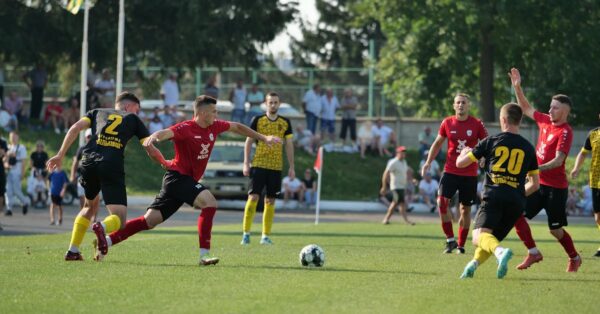
The 2026 World Cup represents the biggest opportunity of their careers for many USMNT players. But for those playing in Major League Soccer, the path to June presents an unexpected obstacle: a four-month stretch without competitive matches that could undermine their preparation for the tournament.
The timing creates a genuine problem. While European-based American stars will be in the middle of their club seasons come March, MLS players will have spent months away from match competition. That gap becomes critical because head coach Mauricio Pochettino will make his final World Cup roster decisions based largely on performances during an international window in March, just weeks after the MLS season begins in mid-February.
Background
Major League Soccer operates on a winter schedule, with its season running from February through December. This means players not competing in the playoffs face a significant break between their last official match in late 2025 and their first game of 2026. For those who missed the playoffs, that gap stretches four months—a lengthy period when competitive rhythm naturally fades.
The league has plans to change this structure. Starting in 2027, MLS will shift to a summer-to-spring calendar that aligns more closely with the global soccer calendar. That adjustment would push the offseason to summer and shorten the winter break. But for now, with the World Cup looming, MLS players must work around the current schedule.
The contrast with European players is stark. Christian Pulisic, Weston McKennie, and other American stars playing in top European leagues will be in the thick of their seasons when Pochettino begins narrowing his squad. They will arrive at World Cup training camps with match fitness built through months of regular competition. Their MLS-based teammates will have a different story to tell.
Key Details
How Players Are Staying Ready
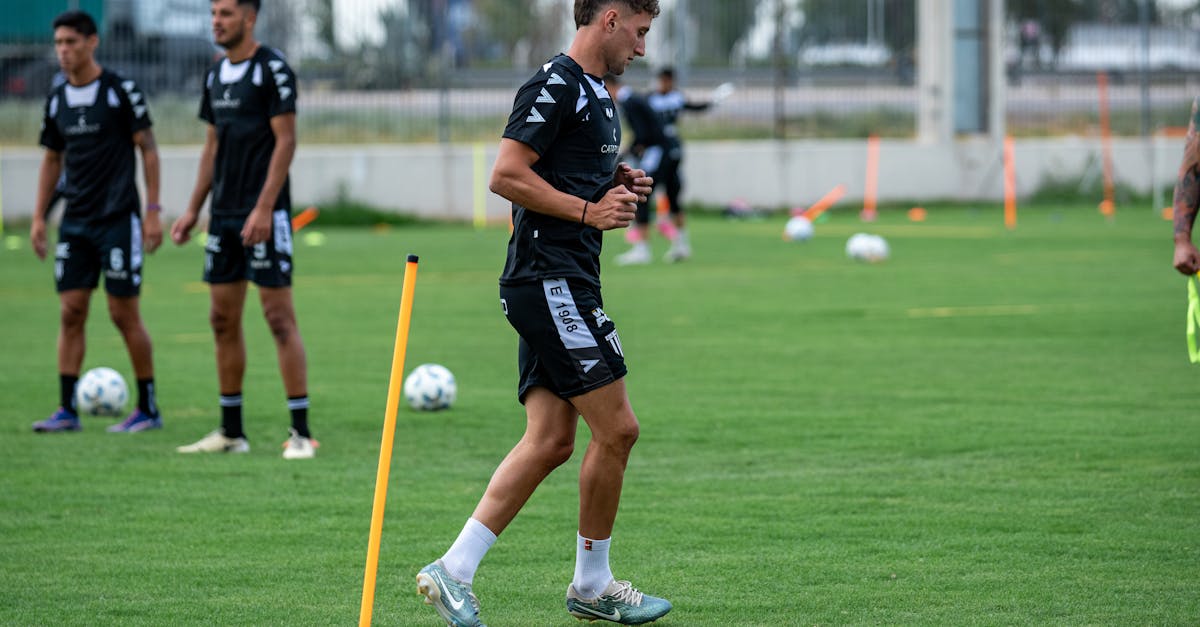
MLS players have not been idle during the winter months. Many have taken matters into their own hands, organizing private training sessions and working with specialized fitness programs to maintain their conditioning.
In St. Louis, goalkeeper Patrick Schulte and his group have been training regularly at a local academy where Schulte developed as a younger player. These sessions sometimes attracted up to 30 participants, including non-professional academy prospects. The informal setup allowed players to stay sharp without the structure of official team training.
Other players have sought out specialized facilities. Alex Freeman, a national team member, spent part of his offseason at a training program in Fort Lauderdale that specializes in customized regimens for elite players. Several other MLS-experienced players have used similar facilities to maintain their fitness levels.
But the message from the coaching staff has been relatively simple: stay fit, but also recover. When the USMNT concluded its camp in November, Pochettino and his staff did not distribute strict training manuals or rigid dietary requirements. Instead, they communicated a straightforward directive: rest after a long season, but do not lose your fitness.
"You have to remain active. Enjoy yourself, but ensure you're in shape, as a important season lies ahead. The player pool is expansive, and you never know what could happen. You have to be ready." – Alex Freeman
The balance between rest and preparation has proven tricky for many. Some experienced players like Tim Ream planned to take only a few days off before resuming training. Others, experiencing a World Cup year for the first time, faced new pressures about how to use the break effectively.
Matt Turner, a goalkeeper who returned from Europe after a difficult stint in England and complications at Lyon, took a different approach. He joined the New England Revolution to compete for a World Cup spot and used his extended break—longer than he had experienced during his years in Europe—to reset both physically and mentally.
The March Window and Final Decisions
The timing pressure intensifies when you consider what comes next. The MLS season begins in mid-February. Just weeks later, in March, the USMNT will gather for what is likely the final international window before Pochettino announces his 26-player World Cup roster in May.
This compressed timeline means MLS players will have minimal time to prove themselves. They will need to hit the ground running when their clubs begin play, then immediately showcase their form during the March international break. There is no room for a slow start or gradual buildup of match fitness.
European-based players face no such pressure. They will already be in midseason form, having played dozens of matches across multiple competitions. The contrast could work against MLS players seeking to make the squad, particularly those competing for limited roster spots.
What This Means
For MLS players hoping to reach the World Cup, the offseason presents both challenge and opportunity. The disadvantage is obvious: they will have less match fitness than their European counterparts. They risk arriving at critical moments—the March international break and the start of the World Cup—without the sharpness that comes from regular competition.
But some players see a potential advantage. Freeman suggested that the extended break allows time to perfect specific aspects of their game. Rather than grinding through a European season, MLS players can focus on targeted improvements. They also arrive at the World Cup in midseason form rather than exhausted from a grueling club campaign, which could provide fresh legs when the tournament begins.
The reality is that Pochettino's final decisions will likely depend on individual performances during the MLS season and that March international window. Players who start strong when their clubs begin play in February will have the best chance of catching the coach's attention. Those who struggle early or fail to make an impact during the March break may find themselves watching the World Cup from home.
For the USMNT, the stakes are clear. The team has drawn Paraguay, Panama, and Bolivia in its World Cup group—a winnable set of opponents. Success will depend partly on having a squad in peak condition when the tournament begins. How MLS players use their offseason and perform in the early weeks of the season could determine whether the team advances past the group stage.