
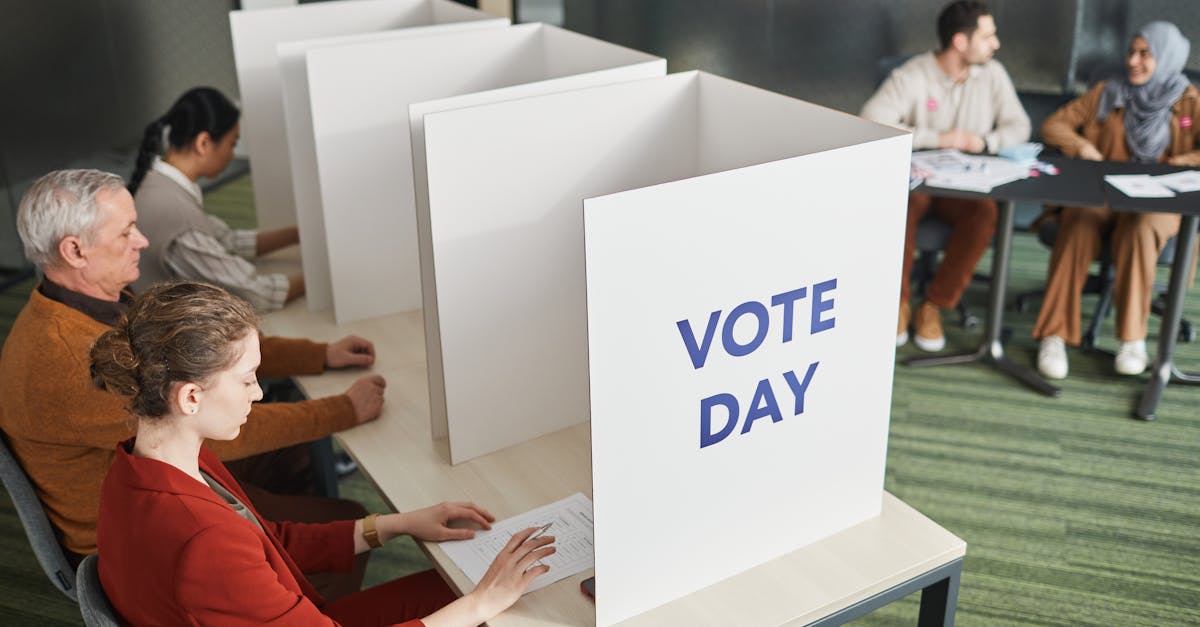
Myanmar's month-long election ended Sunday with the military-backed Union Solidarity and Development Party heading toward a landslide victory in a contest that critics say does little to challenge the armed forces' control of the country. The three-phase vote, which wrapped up just days before the fifth anniversary of the military coup that toppled the government, saw the USDP secure over 85 percent of elected seats in the lower house and two-thirds in the upper house based on results from the first two voting rounds.
The outcome appears almost certain to propel Senior General Min Aung Hlaing, the junta leader who has not ruled out becoming president, to the nation's top civilian post. The general visited polling stations in Mandalay on Sunday dressed in civilian clothes, telling reporters that the election represented the people's choice.
Background
Myanmar endured more than five decades of military rule before a decade of civilian-led reforms that began in 2011. That period of relative openness ended abruptly on February 1, 2021, when the military seized power in a coup, claiming without evidence that the previous election had been rigged. The takeover led to the detention of Aung San Suu Kyi, the Nobel Peace Prize winner who led the ousted government, and triggered a civil war that has devastated the country.
The 2020 election, held before the coup, saw Suu Kyi's National League for Democracy win a landslide victory with 330 of 440 seats. International observers deemed that election credible and free from significant irregularities. The USDP, which is filled with retired military officers and widely viewed as a military proxy, performed poorly, losing seats in both chambers.
After seizing power, the military dissolved the NLD and banned it from participating in new elections. The second-largest opposition party, the Shan Nationalities League for Democracy, also refused to register under the junta's new election laws and was barred from competing. The military also rewrote the constitution to guarantee itself a quarter of all parliamentary seats, regardless of election results.
Key Details
Voting took place over three phases beginning in November 2025. The military cancelled polling in roughly one-fifth of lower house constituencies, citing security concerns in areas gripped by armed conflict. Voting did not occur at all in territories controlled by rebel groups and ethnic minority armies that have challenged military authority since the coup.
In regions where voting did happen, rights monitors documented intimidation and suppression of dissent. Official voter turnout figures for the first two phases exceeded 50 percent, significantly lower than the roughly 70 percent turnout in the 2020 election. The junta cited these turnout numbers as proof the election was fair, though critics argued the figures reflected voter apathy and fear rather than enthusiasm for the process.
More than 400 people faced legal charges under new laws prohibiting what the government called disruption of the election. Penalties for protest or dissent can reach up to ten years in prison. A parliamentary candidate who spoke on condition of anonymity said campaigning was nearly impossible in many areas.
"I don't expect anything from this election. Things will just keep dragging on," a 34-year-old resident of Yangon said, speaking anonymously for safety reasons.
The USDP's dominance in early results came despite the military's claim that it was merely one party among many. The party faced almost no meaningful opposition after the NLD and other major parties were barred from competing. Analysts noted that changes to election rules, including a shift to proportional representation, were designed specifically to help the USDP perform better than it had in 2020.
What This Means
UN human rights expert Tom Andrews said countries that recognize the election results would become complicit in the junta's effort to legitimize military governance through what he called a fabricated vote. The election appears designed to give the military's continued rule a veneer of democratic legitimacy while preserving its power.
Myanmar remains trapped in civil war. The military's coup sparked conflict with pro-democracy insurgents and various ethnic minority armies that control border regions. Air strikes are common in some areas while others face blockades and starvation threats. The monitoring organization ACLED estimates that over 90,000 people have died across all factions since the conflict began.
With Suu Kyi detained incommunicado at an undisclosed location facing what rights observers dismiss as politically motivated charges, and her party dissolved, the pathway for civilian-led democracy appears blocked. Official election results are expected later this week, though the outcome is already clear. The military has long portrayed itself as the sole protector of Myanmar against chaos. Instead, its coup has created the very instability it claimed to prevent.