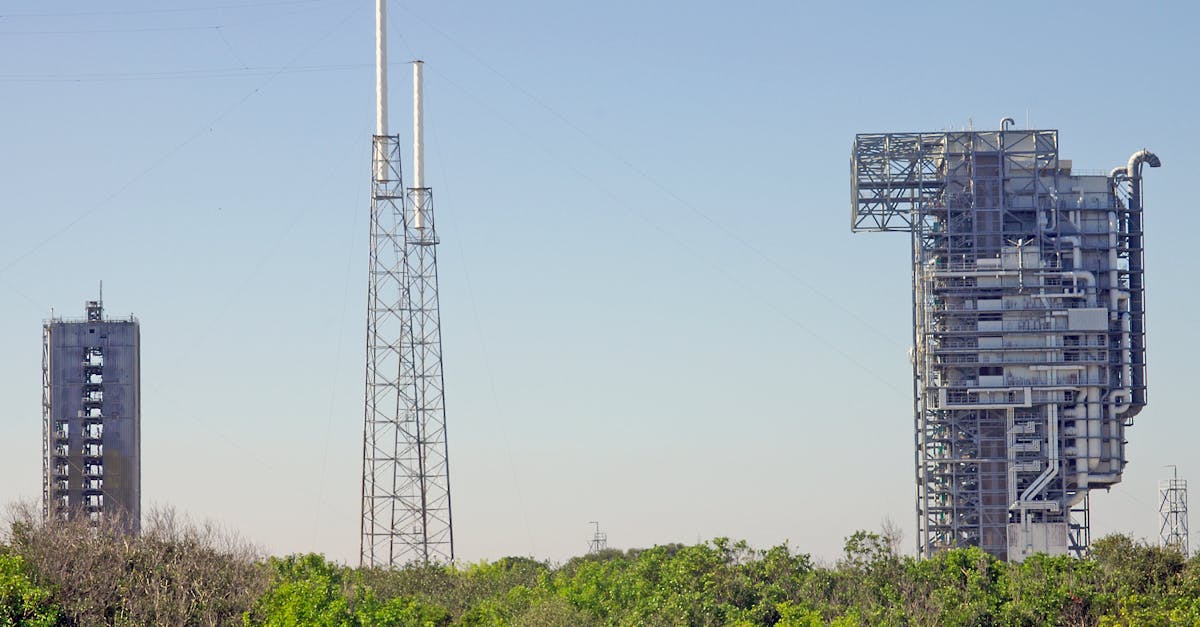
NASA's towering Artemis 2 moon rocket has reached its launch pad at Kennedy Space Center in Florida after a painstaking 8-hour journey across the space center grounds. The 322-foot-tall Space Launch System, weighing 11 million pounds, began moving from the Vehicle Assembly Building at 7:04 a.m. EST on January 17, rolling at just one mile per hour on the back of a massive crawler vehicle. The rocket is now positioned at Launch Pad 39B, where NASA will conduct final preparations ahead of a planned launch attempt in early February.
The arrival of the Artemis 2 rocket marks a significant step forward for NASA's effort to return humans to the moon. Four astronauts—NASA's Reid Wiseman, Victor Glover, and Christina Koch, along with Canadian Space Agency astronaut Jeremy Hansen—are scheduled to fly aboard the Orion spacecraft on a roughly 10-day mission around the moon. If launch preparations proceed on schedule, the mission could lift off as early as February 6.
Background
The Artemis program represents NASA's plan to establish a sustained human presence on the moon and eventually send astronauts to Mars. Artemis 1, an uncrewed test flight, launched in late 2022 and validated key systems of the Space Launch System and Orion spacecraft. Artemis 2 will be the first crewed flight of this new rocket and spacecraft combination, carrying four astronauts on a circumlunar trajectory.
The Space Launch System is one of the most powerful rockets ever built. Engineers have spent the past year and a half assembling the Artemis 2 vehicle inside the Vehicle Assembly Building, a massive structure that dates back to the Apollo era. Assembly began in November 2024 with the two solid rocket boosters, followed by the core stage in March 2025 and the Orion spacecraft in October. The crew even conducted a countdown rehearsal in December, boarding their capsule atop the rocket for the first time.
Key Details
The journey from the Vehicle Assembly Building to Launch Pad 39B covered only four miles, but took the better part of a day due to the deliberate pace required to move such a massive vehicle safely. The crawler vehicle that transported the rocket and its mobile launch platform is the world's heaviest self-propelled vehicle, according to Guinness World Records. It was originally built for the Apollo Saturn V missions decades ago.
"The place is basically a rocket cathedral," observers at the Kennedy Space Center noted of the Vehicle Assembly Building where the rocket was assembled.
Over the next two weeks, NASA engineers will prepare the rocket for a series of critical tests. The most important is the wet dress rehearsal, scheduled for February 2. During this test, NASA will load the rocket with more than 700,000 gallons of cryogenic propellants—liquid hydrogen and liquid oxygen—and conduct a full launch countdown. Engineers will practice holding the countdown, resuming it, and recycling through the final 10 minutes before launch multiple times to ensure the launch team is ready for the actual flight.
Testing and Launch Windows
Beyond the fueling test, NASA must complete systems checks on both the Space Launch System and the Orion spacecraft. The four crew members will also travel to the launch pad to practice emergency escape procedures in case something goes wrong during launch preparations.
If any issues arise during these tests, NASA may need to roll the rocket back to the Vehicle Assembly Building for additional work. The first launch window runs from February 6 through February 11. Should problems emerge that cannot be resolved in time, NASA has backup launch opportunities scheduled for March and April.
When Artemis 2 finally launches, the Space Launch System will first place Orion into Earth orbit. The crew will perform systems checks before a critical engine burn propels them toward the moon. The interim cryogenic propulsion stage attached to Orion will provide this trans-lunar injection burn, then detach so the spacecraft can conduct proximity maneuvering tests on its way to lunar space.
What This Means
The successful rollout of Artemis 2 to the launch pad brings NASA significantly closer to a goal that has eluded the space agency for more than 50 years. No humans have traveled beyond Earth orbit since the Apollo 17 mission in December 1972. Artemis 2 represents the first step in changing that.
The mission is not a landing—Orion will orbit the moon and return to Earth—but it will test all the systems and procedures that future Artemis missions will use to land astronauts on the lunar surface. Success on Artemis 2 is therefore critical for the entire Artemis program.
NASA officials have expressed confidence in the rocket's readiness and optimism about meeting the February launch target. The agency is hoping to avoid the lengthy delays that pushed back other major programs in recent years. Whether the rocket launches in early February will depend largely on how the wet dress rehearsal and other systems checks proceed over the coming weeks.