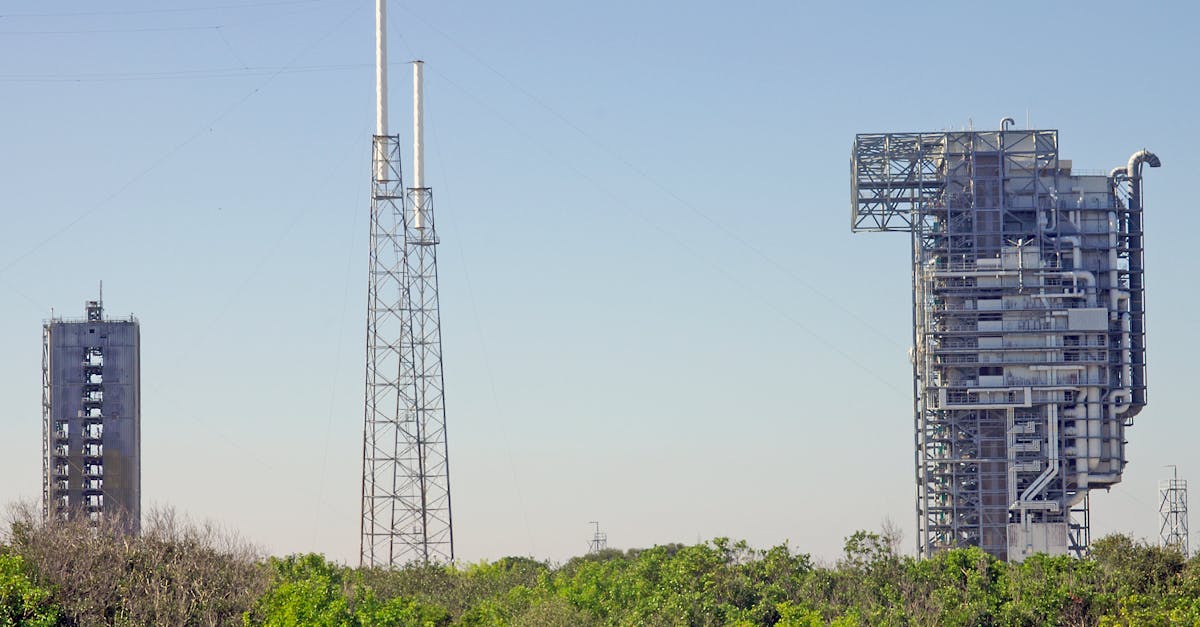
NASA engineers at Kennedy Space Center in Florida repaired a hydrogen leak on the Artemis II rocket this week. The problem showed up during a practice fueling test on February 3, 2026, delaying the first crewed moon mission in over 50 years. The team replaced two rubber seals on fuel lines connected to the Space Launch System rocket to prevent future issues. Now they plan more tests to check the fixes before setting a launch date, likely no earlier than March.
Background
The Artemis program aims to send astronauts around the moon for the first time since Apollo. Artemis II will carry four crew members on a 10-day trip that loops around the moon without landing. The rocket, called the Space Launch System or SLS, stands 322 feet tall and uses super-cold liquid hydrogen and oxygen as fuel.
This leak echoes problems from three years ago. During tests for Artemis I, the uncrewed test flight in 2022, hydrogen leaks at the same spot caused three rollbacks to the Vehicle Assembly Building. That added months to preparations. Engineers made changes since then, but the issue returned during Artemis II's wet dress rehearsal, a full practice countdown with real fuel loading.
The test started on February 2 after cold weather delays. Teams pumped fuel into the rocket's tanks remotely. Liquid hydrogen, chilled to minus 423 degrees Fahrenheit, flowed into the first stage until about 55 percent full. Then sensors picked up hydrogen escaping from an umbilical plate at the rocket's base. This plate links fuel lines from the launch pad to the rocket and pulls away just before liftoff.
Teams paused fueling, let the area warm to reseat seals, and tried again. They got to 77 percent before stopping once more. After adjustments, they filled all tanks and held at the 10-minute mark. But at five minutes and 15 seconds before simulated launch, the leak spiked again, ending the test.
Key Details
Engineers drained the fuel that evening and found high hydrogen levels in the lines. They removed the connecting plates, inspected the seals, and replaced two on the hydrogen fuel and electrical lines. The work wrapped up by February 9, 2026.
NASA calls the test a success overall. They filled the tanks on the first try and collected key data, unlike Artemis I which needed multiple attempts. The leak stayed within 16 percent limits most of the time, but safety rules stopped the final countdown.
Changes for Next Test
For the next rehearsal, teams updated procedures:
- Close the Orion spacecraft hatch earlier.
- Keep the crew access bridge attached longer.
- Skip some non-essential ground crew steps.
- Add extra time during fueling for fixes.
These steps lengthen the countdown but keep the astronauts' timeline safe. More checks will happen at Stennis Space Center in Mississippi to test the plates under real conditions.
"These are very bespoke components," said Amit Kshatriya, NASA associate administrator. "Each SLS is its own unique vehicle to learn and understand."
Launch Director Charlie Blackwell-Thompson noted the team stabilized the leak but did not fully eliminate it. They followed safety steps, watched hydrogen levels drop, and drained the fuel without issues.
John Honeycutt, head of the Artemis Mission Management team, explained hydrogen's challenges. It's a small, energetic molecule in a complex setup. Tests aim to mimic flight, but limits exist on realism.
Officials ruled out cold weather as a cause. Heaters kept the Orion capsule and systems warm, and purging protected hardware.
What This Means
The repair means no rollback to the Vehicle Assembly Building, saving time. Teams believe they can fix issues at the pad. But a final launch date waits on the next test and safety review.
Artemis II now eyes March 2026 at the earliest. NASA stresses the SLS as an experimental vehicle with lessons between flights years apart. Persistent leaks raise questions on hydrogen handling, but data from this test will guide fixes.
The crew—Reid Wiseman, Victor Glover, Jeremy Hansen, and Christina Koch—remains ready. They trained for years. Delays push back later missions, including Artemis III's planned moon landing in 2027.
Engineers keep monitoring fuel systems. Any new problems could shift plans further. NASA balances speed with safety for humans atop the massive rocket.