NASA plans to haul the Artemis II rocket back to its hangar at Kennedy Space Center in Florida. Teams found an interruption in helium flow to the upper stage overnight from Friday to Saturday. This glitch rules out a March launch. But it might still fly in April if fixes go fast.
Key Takeaways
- NASA spotted a helium flow issue in the Artemis II rocket's upper stage after a dress rehearsal.
- The rocket will likely roll back to the Vehicle Assembly Building for repairs.
- March launch is off. April could work if teams move quick.
- The crewed moon mission marks the first human trip near the moon since 1972.
Background
Artemis II sits on Launch Pad 39B right now. It's the full stack: the big Space Launch System rocket with the Orion spacecraft on top. Four astronauts wait to fly it around the moon on a 10-day trip. This would be NASA's first crewed Artemis flight. The last time humans went near the moon was Apollo 17 in 1972.
Teams ran a second wet dress rehearsal last week. That's a full practice count where they load up liquid hydrogen and liquid oxygen. It ended Thursday. Everything looked good then. They even set a target launch date of March 6. But Saturday brought bad news.
And here's the thing. Artemis programs face delays often. Artemis I, the uncrewed test in 2022, had hydrogen leaks that pushed it back months. NASA fixed those. The first Artemis II dress rehearsal in early February had a leak too. They swapped seals and tried again. The second one went smooth. No leaks this time.
But helium? That's new. Helium keeps the upper stage engines clean. It also pressurizes the fuel tanks with liquid hydrogen and oxygen. Without it flowing right, the rocket can't go.
NASA Administrator Jared Isaacman spoke out on X. He said teams worked all night on the problem. They used backup ground systems to keep things safe for now.
After overnight data showed an interruption in helium flow in the SLS interim cryogenic propulsion stage, teams are troubleshooting and preparing for a likely rollback of Artemis II to the VAB at @NASAKennedy. This will almost assuredly impact the March launch window.
– Jared Isaacman, NASA Administrator
This isn't the first helium hiccup for SLS. Artemis I had pressurization troubles before launch. Engineers looked at data from that flight too.
Key Details
The issue hit during routine helium flow checks after the dress rehearsal. Helium bottles in the interim cryogenic propulsion stage didn't work. That's the upper stage with the engine that pushes Orion toward the moon after the boosters drop off.
Teams checked possible causes. It could be a filter at the ground umbilical connection. Or a quick-disconnect that links ground lines to the rocket. Maybe a check valve inside the stage failed. NASA added fixes after Artemis I to cut these risks. But here we are.
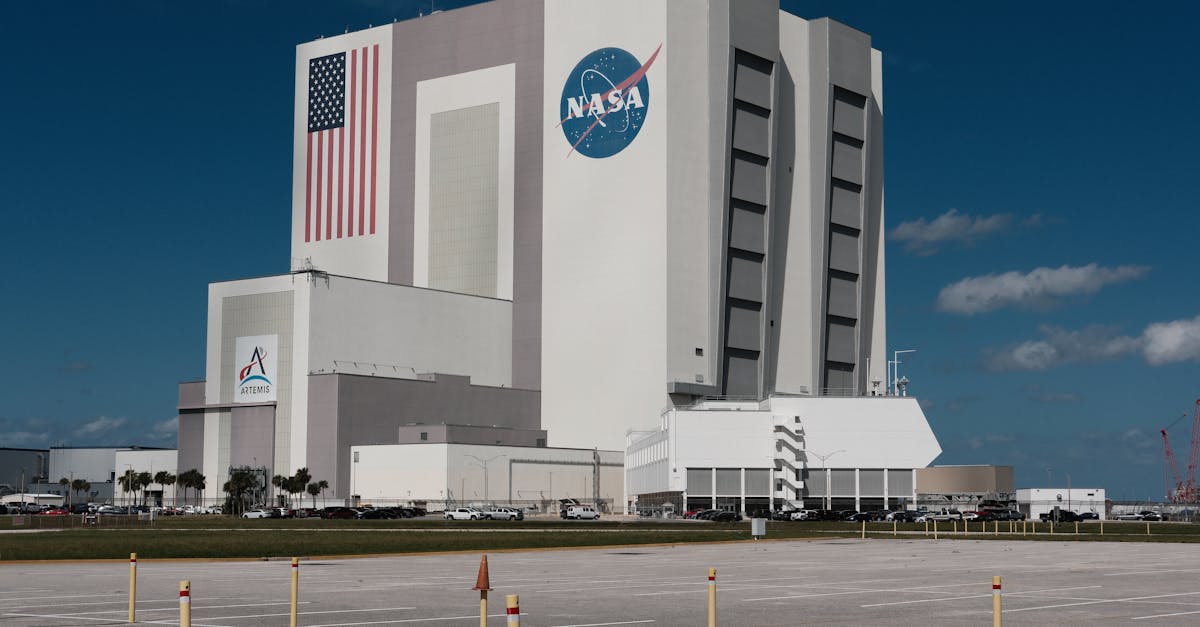
Rollback means detaching the rocket from the pad. Then it crawls back on the crawler-transporter to the Vehicle Assembly Building. That's the huge hangar where they stack the rocket. Only there can teams reach high platforms around the stack to fix things.
Prep work started fast. They installed pad access trusses Friday for final checks. Now they're taking those down. Winds pick up Sunday. Can't remove them in high wind.
The rocket stays safe. Ground systems purge the engines instead of onboard helium.
Timeline Shifts
March 6 launch? Gone. Rollback takes weeks. NASA hopes for early April. They'll need data review, repairs, and maybe another tanking test after rollback. That checks if the trip damaged fuel lines.
Flight readiness review was next. That's where bosses sign off. It got pushed. So did installing contingency trusses. Those let teams test the flight termination system on the pad. They went up Friday. Likely coming off soon.
This echoes past troubles. Check NASA delays moon mission after rocket propulsion problem. Hydrogen leaks hit before. Now helium. Each fix teaches lessons for Artemis III and beyond.
Key Details on the Rocket
SLS stands tall at 322 feet. Boosters from previous flights. Core stage new each time. Orion capsule tested on Artemis I. Crew for II: Reid Wiseman commands. Victor Glover pilots. Christina Koch and Jeremy Hansen join.
Upper stage is key. Interim cryogenic propulsion stage. One RL10 engine. Burns liquid hydrogen and oxygen. Helium purges it and pressurizes tanks.
During dress rehearsals, helium worked fine. First one aborted early on hydrogen leak. Second success. But post-rehearsal reconfiguration failed.
Engineers pull data. Compare to Artemis I. Ground teams stay vigilant.
What This Means
Delays cost money. Artemis runs billions already. Rollback adds weeks, maybe more. Congress watches close. They fund NASA's moon goals.
But safety first. Can't fly with helium doubts. Crew health on line. Orion no escape system post-liftoff.
April window tight. Weather, reviews, tests all factor in. If fixes take longer, May looms. Artemis III waits behind. That lands on moon.
Private partners help. Boeing builds core stage. Lockheed Martin does Orion. SpaceX catches boosters later.
Global eyes watch. Canada, Europe, Japan send crew or tech. Moon base dreams ride on success.
Rollback tests patience. But it builds better rocket. Lessons fix future flights.
Teams update next week. They'll say if rollback happens. And when pad return might be.
And think bigger. Artemis paves way for Mars. Steady steps matter.
What This Means for Future Missions
Artemis II tests crew ops in deep space. Orion flies humans farthest since Apollo. Success clears path for landings.
Delays common in human spaceflight. Shuttle, Apollo all slipped. Rushed risks lives.
NASA shares data open. Helps industry. Starship, New Glenn learn too.
Rollback now. Fly safe later.
Frequently Asked Questions
Q: Why does the Artemis II rocket need helium?
A: Helium purges engines to keep them clean. It also pressurizes fuel tanks so liquid hydrogen and oxygen flow right during flight.
Q: Can NASA still launch in April?
A: Yes, if rollback and repairs finish quick. They'll review data, fix the issue, and test again. Weather and schedules play in.
Q: What's next after Artemis II?
A: Artemis III lands humans on moon in 2027 or later. It uses Starship for base camp near south pole.
Frequently Asked Questions
Why does the Artemis II rocket need helium?
Helium purges engines to keep them clean. It also pressurizes fuel tanks so liquid hydrogen and oxygen flow right during flight.
Can NASA still launch in April?
Yes, if rollback and repairs finish quick. They’ll review data, fix the issue, and test again. Weather and schedules play in.
What’s next after Artemis II?
Artemis III lands humans on moon in 2027 or later. It uses Starship for base camp near south pole.