
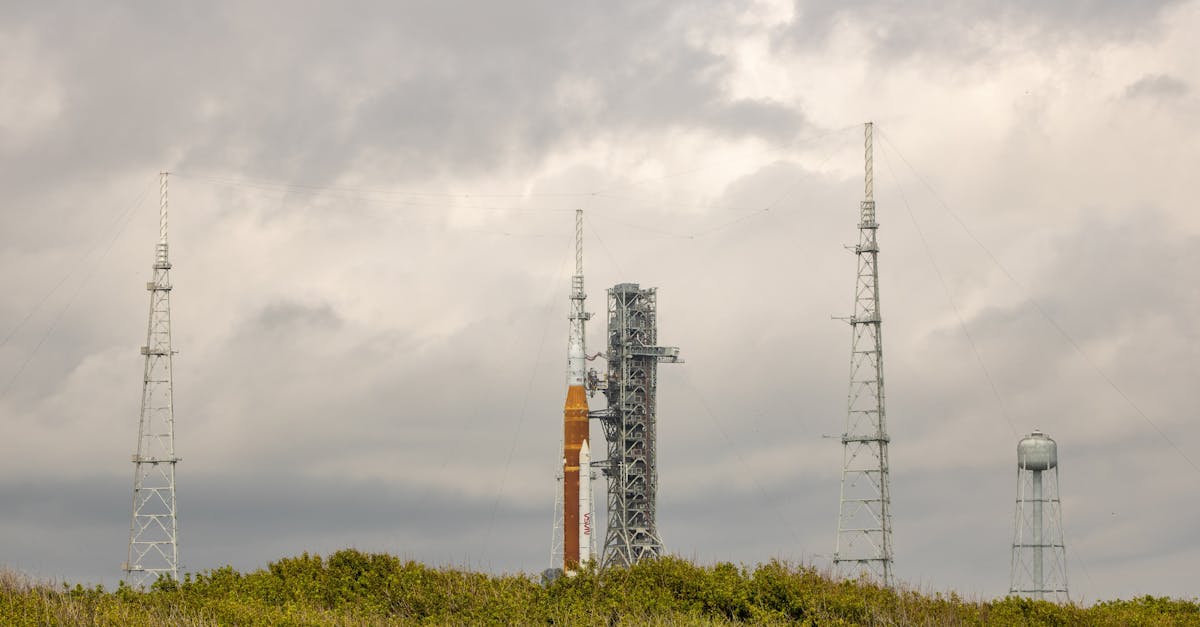
NASA has pushed back the launch of its Artemis 2 mission to March at the earliest after a liquid hydrogen leak cut short a key fueling test for the Space Launch System rocket at Kennedy Space Center in Florida. The wet dress rehearsal, which wrapped up early Tuesday morning, aimed to simulate a full countdown and load the rocket with cryogenic propellants but faced multiple hurdles that teams now must address.
Background
The Artemis program seeks to return humans to the moon for the first time since 1972. Artemis 2 marks the first crewed flight in this effort, set to send four astronauts on a 10-day journey around the moon without landing. The crew includes NASA astronauts Reid Wiseman, Victor Glover, and Christina Koch, along with Canadian Space Agency astronaut Jeremy Hansen.
Preparations for the launch ramped up over the past weeks. The SLS rocket, standing tall on Launch Pad 39B, underwent final checks ahead of what was hoped to be a February liftoff. Teams began the wet dress rehearsal countdown on Saturday evening, January 31, targeting a simulated launch at 9 p.m. EST on Monday, February 2. Cold weather and high winds at the Florida launch site already delayed the start by a few days, pushing back initial plans.
This test is standard for big rocket launches. It involves filling the rocket's tanks with super-cold liquid oxygen and liquid hydrogen, running through countdown steps, and then draining the fuel safely. The goal is to spot and fix any problems before real launch day, when astronauts will be aboard.
Operators called teams to their stations about 49 hours before the simulated liftoff. The countdown clock started ticking at 8:13 p.m. EST that Saturday, giving ground crews time to power up systems and prepare for tanking. Cold temperatures forced extra steps, like configuring heaters on the Orion spacecraft and adjusting purges to keep parts at the right conditions.
Key Details
The two-day test hit its first snag early. As teams loaded liquid hydrogen into the SLS core stage, high concentrations appeared at the tail service mast umbilical—a connection point that feeds fuel to the rocket. This issue popped up more than once, forcing pauses.
By Monday afternoon, launch director Jason Costa gave the go-ahead for tanking at 11:25 a.m. EST. Teams resumed fast-filling the core stage with liquid hydrogen and started loading liquid oxygen into the upper stage. Progress looked good for hours, with the countdown pushing toward the 9 p.m. target.
But trouble struck close to the end. The simulation reached T-5:15 minutes when the liquid hydrogen leak at the umbilical forced a stop. Operators ended the rehearsal a few minutes early, sent teams to the pad to close out the Orion capsule, and began draining the propellants safely.
Despite the early end, NASA reports that engineers loaded fuel into both SLS stages and met many test objectives. They pushed through several challenges, including the leaks and weather effects. A full data review will show exactly what worked and what needs fixes.
Crew Impact
The delay means big changes for the astronauts. They entered quarantine in Houston on January 21 to prepare for a trip to Kennedy Space Center this week. With February launches now off the table—earliest was February 8—the crew got released from quarantine. They will not head to Florida on Tuesday as planned and will re-enter isolation about two weeks before the new target date.
NASA plans a news briefing at noon EST on Tuesday to share early results from the test. Agency leaders will discuss findings and next steps.
"Their work is critical for maintaining safety and readiness as Artemis 2 moves closer to its first crewed mission around the moon." – NASA official on ground teams
What This Means
The slip to March gives NASA time for a second wet dress rehearsal. Teams need to review all data, fix the leak issues, and ensure the rocket is ready. Any extra delays could push the launch further, but for now, March stands as the earliest window.
This mission tests the whole system with people on board. Artemis 2 flies the SLS rocket and Orion spacecraft on a lunar orbit path, paving the way for Artemis 3, which aims to land astronauts on the moon in 2027. Success here builds confidence in the hardware that will support moon bases and trips to Mars down the line.
Ground crews showed skill in handling the problems on the fly. They kept operations safe amid cold snaps that could ice up parts or shift winds around the pad. The test proved the fueling systems mostly work but highlighted spots for improvement, like that umbilical connection.
For the broader program, these steps keep safety first. NASA has spent years and billions on SLS and Orion. Each rehearsal irons out risks so the crew can focus on the flight, not fixes at the last minute. The astronauts now have extra training time back in Houston, sharpening skills for the 10-day trip.
Weather played a role from the start. High winds and low temperatures slowed the countdown kickoff and affected equipment. Engineers adapted, but it added stress to the schedule. Moving to March opens better weather windows and avoids rushing into February slots like the 6th or 7th, which are now off.
NASA's approach stays methodical. They skipped a full T-0 simulation this time but drained the rocket cleanly and closed out systems without harm. The second rehearsal will aim to hit all marks, setting the stage for a confident launch.
As data pours in, expect more details from that Tuesday briefing. It will cover leak causes, fix plans, and how this shifts the full Artemis timeline. For now, the program rolls on, one careful test at a time.