

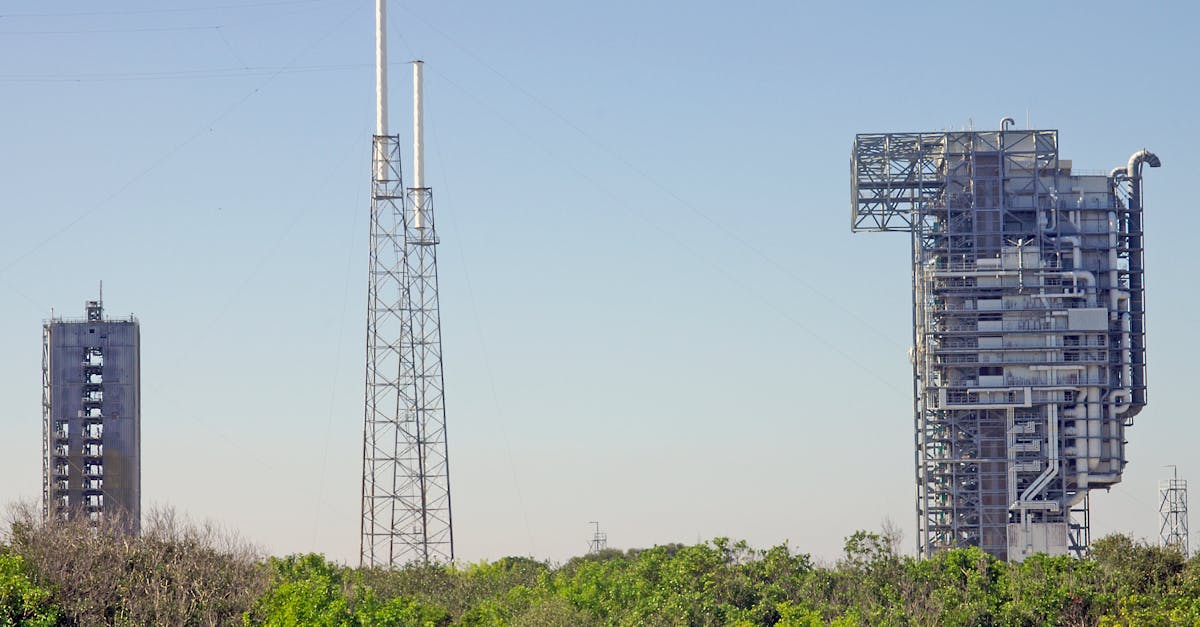
NASA has delayed its Artemis II moon mission from March to April and beyond after discovering a cryogenic propulsion problem during fuel testing at Kennedy Space Center in Florida. The issue surfaced during a wet dress rehearsal—a full-scale practice run of launch procedures—forcing engineers to return the Space Launch System rocket to its assembly building for repairs.
The mission was originally scheduled to lift off on March 6, but that launch window, which stretched through March 11, is now off the table. Four astronauts—Reid Wiseman, Victor Glover, Christina Koch, and Canadian Jeremy Hansen—will not enter quarantine this weekend as planned. Instead, they'll return to their normal routines until NASA sets a new target date.
Key Takeaways
- A liquid hydrogen leak discovered during pre-launch testing forced NASA to postpone the Artemis II moon mission from March to April
- The four-person crew will skip planned quarantine procedures and return to normal activities
- Engineers must remove the rocket from the launch pad and conduct extensive repairs before attempting another test
- The delay threatens NASA's broader timeline for returning humans to the lunar surface
Background
Artemis II represents a critical step in NASA's plan to return astronauts to the moon for the first time since 1972. Unlike the eventual landing mission, this test flight will send four crew members on a 10-day journey around the far side of the moon and back to Earth. The mission serves as a dress rehearsal for all the systems and hardware that will be needed for actual lunar landings.
The Space Launch System, or SLS, is NASA's most powerful rocket. It's designed specifically for deep-space missions and represents decades of development and billions in taxpayer funding. The rocket sits at Launch Pad 39B, the same pad used for Apollo missions half a century ago.
Engineers conducted the wet dress rehearsal on February 2, loading cryogenic propellant—extremely cold liquid hydrogen and oxygen—into the rocket's tanks. This test was meant to identify any problems before committing to an actual launch attempt. The procedure involves filling the tanks, running through countdown procedures, and then safely draining the propellant.
Key Details
The Hydrogen Leak Problem
During the test, engineers discovered a liquid hydrogen leak in an interface used to route the cryogenic propellant into the rocket's core stage. This wasn't a minor drip. The leak was significant enough that it spiked during the countdown, causing the ground launch sequencer to automatically halt the procedure at approximately five minutes before the theoretical launch moment.
Engineers spent several hours troubleshooting the problem. They stopped the flow of hydrogen, allowed the interface to warm up so the seals could reseat, and adjusted propellant flow rates. Despite these efforts, the leak persisted.
"They're really having to cut their losses at this stage and go back at this problem very seriously." – Jacqui Goddard, The Times US correspondent
What makes this particularly frustrating is that this isn't a new problem. The leak issue has persisted for years, not just with this rocket but with the SLS program broadly. Cold weather at Kennedy Space Center made matters worse, delaying the start of fuel loading operations as teams waited for interfaces to reach acceptable temperatures.
Additional Issues Discovered
The hydrogen leak wasn't the only problem. Engineers also found that a valve associated with the Orion crew module hatch pressurization—which had recently been replaced—needed retorquing. Closeout operations took longer than planned as a five-person team worked on the launch pad to finish preparations.
Cold temperatures affected several cameras and other equipment. While these issues didn't stop the test, they would have required additional attention on an actual launch day. Engineers have also been troubleshooting dropouts in audio communication channels across ground teams in recent weeks, and several of these dropouts occurred again during the rehearsal.
What This Means
The delay creates real uncertainty about NASA's lunar timeline. The agency must now fully review data from the test, figure out how to fix the hydrogen leak permanently, and conduct a second wet dress rehearsal before setting an official target launch date. All of this takes time.
The postponement also raises questions about the future of the SLS program itself. Congress and NASA leadership are watching closely. If the rocket continues to face delays and technical problems, officials may decide it's more cost-effective to rely on commercial partners to get astronauts to the moon rather than continuing to pour resources into the SLS.
For the four astronauts selected for this mission, the delay means additional waiting and uncertainty. They've been training for years for this moment. Wiseman, Glover, and Koch are all experienced NASA astronauts, while Hansen represents Canada's space program. They'll remain in training status but won't need to follow the strict quarantine protocols that would have begun this weekend.
NASA has emphasized that crew safety remains the highest priority. The agency won't rush this mission. Getting the hardware right matters more than hitting an arbitrary launch date, especially for a mission that's designed to test systems before humans actually land on the moon.
The broader Artemis program aims to establish a sustained human presence on the lunar surface. Artemis II is the test flight. Artemis III, which will actually land astronauts on the moon, depends on Artemis II succeeding first. Any delay to this mission ripples forward through the entire program.
Frequently Asked Questions
What exactly is the Artemis II mission?
Artemis II is a test flight that will send four astronauts on a 10-day journey around the far side of the moon and back to Earth. It's designed to test all the hardware and systems needed for actual lunar landings. Three of the crew are NASA astronauts, and one represents the Canadian Space Agency.
Why is a liquid hydrogen leak such a serious problem?
Liquid hydrogen is one of the most efficient rocket fuels, but it's also extremely cold and difficult to manage. Leaks can compromise the rocket's performance and create safety risks. this particular leak has been an ongoing issue with the SLS program suggests it's a complex engineering challenge that requires careful analysis to solve permanently.
How does this delay affect the timeline for landing astronauts on the moon?
Artemis II must succeed before Artemis III—the actual landing mission—can proceed. Any delay to Artemis II pushes back the lunar landing timeline. NASA hasn't announced a specific new launch date yet, so the full impact on the overall program remains uncertain.
Frequently Asked Questions
What exactly is the Artemis II mission?
Artemis II is a test flight that will send four astronauts on a 10-day journey around the far side of the moon and back to Earth. It’s designed to test all the hardware and systems needed for actual lunar landings. Three of the crew are NASA astronauts, and one represents the Canadian Space Agency.
Why is a liquid hydrogen leak such a serious problem?
Liquid hydrogen is one of the most efficient rocket fuels, but it’s also extremely cold and difficult to manage. Leaks can compromise the rocket’s performance and create safety risks. The fact that this particular leak has been an ongoing issue with the SLS program suggests it’s a complex engineering challenge that requires careful analysis to solve permanently.
How does this delay affect the timeline for landing astronauts on the moon?
Artemis II must succeed before Artemis III—the actual landing mission—can proceed. Any delay to Artemis II pushes back the lunar landing timeline. NASA hasn’t announced a specific new launch date yet, so the full impact on the overall program remains uncertain.