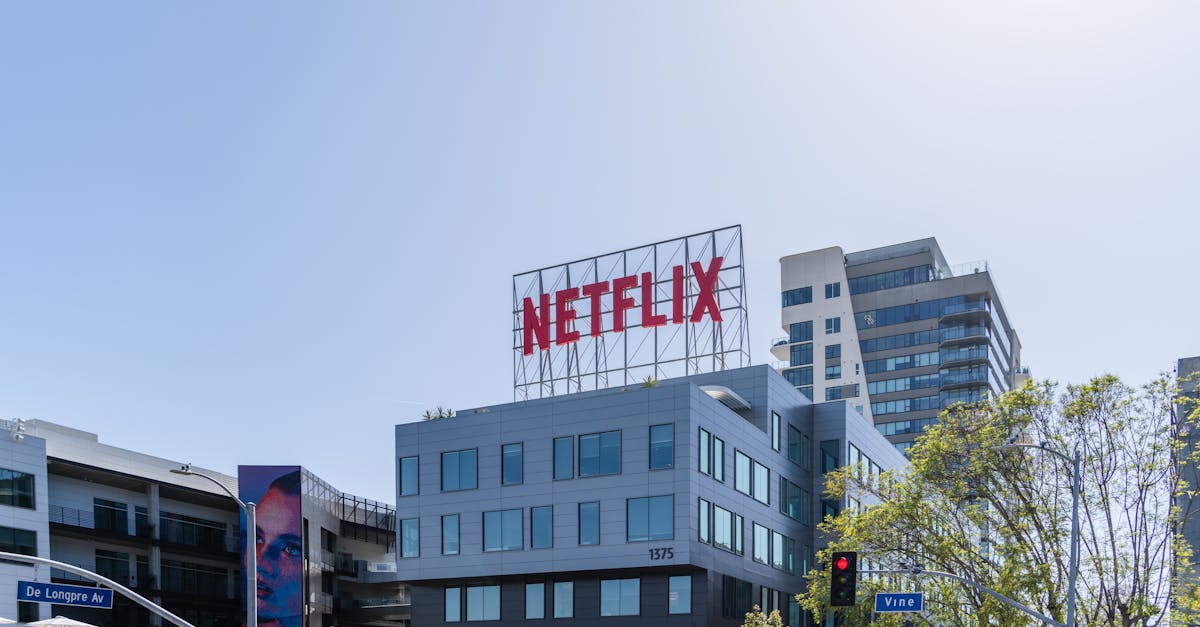
Netflix has officially walked away from one of the biggest media deals in years. The streaming giant announced Thursday evening that it would not match important Skydance's revised offer for Warner Bros. Discovery, ending a five-month bidding war that reshaped Hollywood's competitive scene.
The decision came just hours after Warner Bros. Discovery's board declared important's $111 billion bid superior to Netflix's existing agreement. Netflix co-chief executives Ted Sarandos and Greg Peters issued a brief statement explaining the choice: "We've always been disciplined, and at the price required to match important Skydance's latest offer, the deal is no longer financially attractive, so we are declining to match the important Skydance bid."
This Netflix deal withdrawal marks a stunning reversal. Just three months ago, in December, Netflix had won the initial bidding war with a $83 billion all-cash offer. Now, after important sweetened its bid multiple times, Netflix decided the cost had become too steep.
Key Takeaways
- Netflix withdrew from the Warner Bros. Discovery deal after important's bid was deemed superior by the company's board
- important's revised offer values the entire company at $111 billion, or $31 per share, well above Netflix's $83 billion proposal
- The deal includes major sweeteners from important, including a $7 billion reverse termination fee and a personal guarantee from tech billionaire Larry Ellison
- Netflix faced investor pressure over the deal's size and regulatory concerns about owning a major Hollywood studio
Background
The battle for Warner Bros. Discovery began last fall when David Ellison, the billionaire head of important, launched an aggressive pursuit of the larger media company. His determination to combine two historic studios into a single entertainment powerhouse never wavered, even after Netflix initially won the auction in December.
Netflix's original December deal included HBO, HBO Max, and the Warner Bros. film and television studios in Burbank. The company offered to pay $27.75 per share in an all-cash transaction valued at roughly $83 billion.
But important refused to accept defeat. The company kept coming back with improved proposals, each one sweetening the deal and addressing concerns raised by Warner Bros. Discovery's board. What started as a $30-per-share bid in late February became $31 per share just days later, with an array of additional protections and guarantees attached.
The stakes grew higher as the auction dragged on. important's willingness to keep raising its offer signaled serious commitment. Meanwhile, Netflix's investors grew increasingly anxious about the deal's size and the regulatory risks of owning one of Hollywood's crown jewel studios.
Key Details
The important Advantage
important's latest offer included several major advantages over Netflix's proposal. The company pledged to acquire not just HBO and the Burbank studios, but also Warner's cable television channels like CNN and HGTV. This gave Warner Bros. Discovery shareholders a more complete package.
But the real difference came in the protections. important committed to a $7 billion reverse termination fee if regulators blocked the deal. The company also agreed to pay Warner's $2.8 billion breakup fee owed to Netflix if that agreement was terminated. These guarantees signaled confidence in the deal's ability to close.
Larry Ellison, David Ellison's father and one of the world's richest men, personally backed the bid through his Ellison Trust, guaranteeing $45.7 billion in equity financing. This personal guarantee from a tech billionaire removed much of the execution risk that had concerned Warner's board.
important also agreed to a "ticking fee" of 25 cents per share per quarter if closing stretched beyond September 30, 2026. The company committed to inject additional equity if needed to satisfy lenders, further reducing the chance the deal would fall apart.
Netflix's Position
Netflix faced an increasingly difficult choice. The company had only four business days to decide whether to raise its offer and try to reclaim the "superior" label. But the streaming giant's own investors were sending a clear message: they didn't want this deal.
"We continue to believe important will ultimately win the auction." – TD Cowen media analyst Doug Creutz
Investors worried about the size of the acquisition, the strategic fit with Netflix's existing business, and the regulatory overhang. The Department of Justice had already opened an investigation into whether to block Netflix's proposed takeover. Many analysts believed Netflix's dominance in streaming—with more than 300 million subscribers worldwide—would face serious regulatory scrutiny if the company also owned HBO Max and Warner's film studios.
, Netflix stock actually rose after important raised its bid. The market seemed to cheer the prospect of Netflix walking away from the deal and avoiding the burden of acquiring legacy Hollywood assets.
The Political Dimension
The auction took on unexpected political overtones as it progressed. Netflix co-CEO Ted Sarandos made a trip to the White House on Thursday, just as the bidding war reached its climax. The timing raised questions about whether political considerations were influencing Netflix's decision-making.
Meanwhile, important executives had pursued a multi-pronged strategy to scuttle the Netflix deal. They worked with regulators and leveraged every advantage available to them. A deadline for the Justice Department to raise issues with important's proposed takeover passed without comment from Trump administration regulators earlier this month, suggesting the political environment might be more favorable to important's bid.
What This Means
important's victory in this auction represents a major shift in Hollywood's power structure. David Ellison, backed by his father's fortune and his company's resources, has managed to secure one of the industry's most valuable assets. The combined company will control HBO, CNN, and major film and television studios—a formidable entertainment powerhouse.
For Netflix, the decision to walk away protects the company from taking on massive debt and legacy media assets that many investors viewed skeptically. The streaming giant can now focus on its core business without the burden of managing cable networks and traditional studios. But it also means Netflix lost a chance to diversify its revenue streams and secure premium content production capabilities.
The regulatory scene also played a role in Netflix's exit. Concerns about streaming consolidation and Netflix's market dominance made approval uncertain. important, as a traditional media company with cable networks, may face less regulatory resistance. The company's broader portfolio of assets could make the acquisition appear less threatening to competition regulators.
For Warner Bros. Discovery shareholders, important's offer delivers more value than Netflix's original proposal. At $31 per share with substantial protections and guarantees, the deal offers both higher returns and greater certainty of closing.
The auction also demonstrated the power of persistence and financial backing in Hollywood dealmaking. David Ellison's refusal to accept defeat, combined with his father's willingness to personally guarantee financing, ultimately proved decisive. In an industry where legacy and resources matter, the Ellisons showed they had both.
Frequently Asked Questions
Why did Netflix decide to walk away from the Warner Bros. deal?
Netflix determined that the price required to match important's latest offer made the deal no longer financially attractive. The company's own investors had expressed serious concerns about the size of the acquisition, the regulatory risks of owning a major Hollywood studio, and the strategic fit with Netflix's existing business. Netflix decided being disciplined about deal economics was more important than winning the auction.
What makes important's offer more attractive than Netflix's?
important's bid values Warner Bros. Discovery at $111 billion ($31 per share) compared to Netflix's $83 billion. Beyond the higher price, important included a $7 billion reverse termination fee, committed to paying Netflix's $2.8 billion breakup fee, and secured a personal guarantee from billionaire Larry Ellison. These protections reduce the execution risk and give Warner's board greater confidence the deal will close.
What happens to the Netflix-Warner Bros. deal now?
The Netflix agreement remains technically in force until important's "superior proposal" status is finalized. But with Netflix declining to raise its bid, Warner Bros. Discovery's board will likely move forward with terminating the Netflix deal and accepting important's offer. The transaction still requires regulatory approval, which could take several months.
Frequently Asked Questions
Why did Netflix decide to walk away from the Warner Bros. deal?
Netflix determined that the price required to match Paramount’s latest offer made the deal no longer financially attractive. The company’s own investors had expressed serious concerns about the size of the acquisition, the regulatory risks of owning a major Hollywood studio, and the strategic fit with Netflix’s existing business. Netflix decided being disciplined about deal economics was more important than winning the auction.
What makes Paramount’s offer more attractive than Netflix’s?
Paramount’s bid values Warner Bros. Discovery at $111 billion ($31 per share) compared to Netflix’s $83 billion. Beyond the higher price, Paramount included a $7 billion reverse termination fee, committed to paying Netflix’s $2.8 billion breakup fee, and secured a personal guarantee from billionaire Larry Ellison. These protections significantly reduce the execution risk and give Warner’s board greater confidence the deal will close.
What happens to the Netflix-Warner Bros. deal now?
The Netflix agreement remains technically in force until Paramount’s superior proposal status is finalized. But with Netflix declining to raise its bid, Warner Bros. Discovery’s board will likely move forward with terminating the Netflix deal and accepting Paramount’s offer. The transaction still requires regulatory approval, which could take several months.