

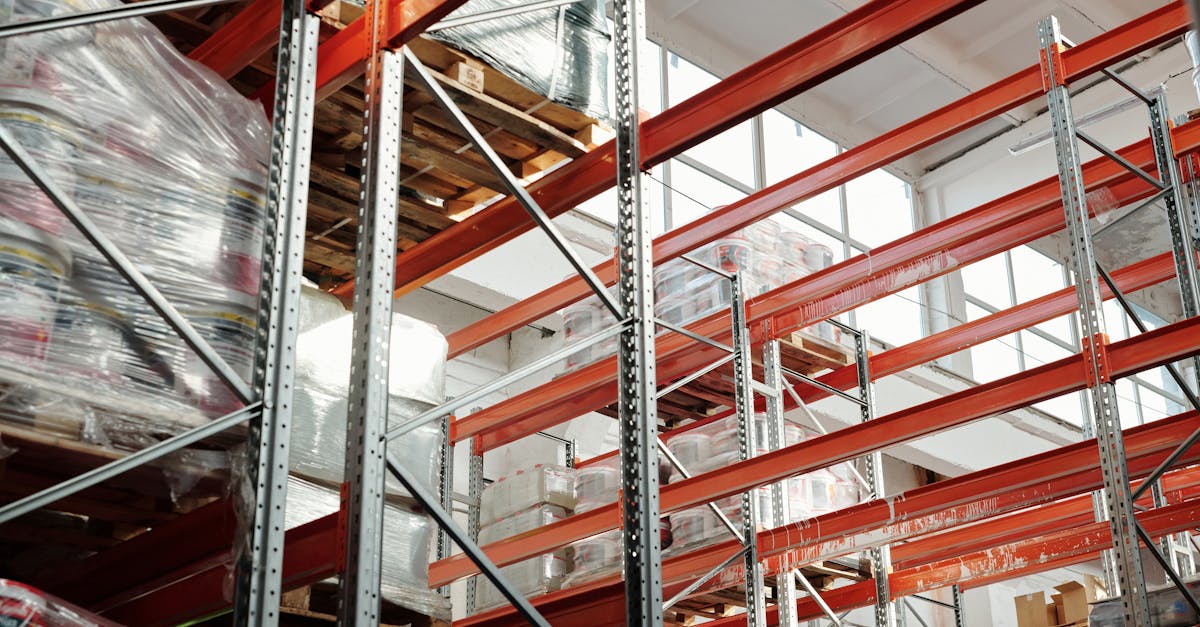
Nike is laying off 775 workers from its distribution centers in Tennessee and Mississippi. The company wants to make its warehouses run faster by using more machines and cutting extra steps in its supply chain. These changes come as Nike pushes to get back on track after tough sales numbers.
Background
Nike has a big network of warehouses across the U.S. that handle shoes, clothes, and gear for stores and online orders. The centers in Tennessee and Mississippi sort and ship millions of items each year. Lately, the company has faced slower sales, especially in places like China, and losses to rivals in running shoes and sneakers.
To fix this, Nike brought in Elliott Hill as CEO last year. He has led efforts to trim costs and focus on core products. This round of layoffs follows others. In August last year, Nike cut under 1% of its office jobs. Before that, in February 2024, the company let go of 2% of its total staff, which was more than 1,600 people. Those steps targeted corporate roles, but now the focus is on warehouses.
The sportswear maker sells mostly footwear, which makes up two-thirds of its sales. Basketball, running, and soccer products lead the way. Brands like Nike, Jordan, and Converse reach customers through its own stores, partners, and online sites in over 40 countries. Headquartered in Beaverton, Oregon, Nike employs tens of thousands worldwide.
Sales have grown slowly, with a three-year rate of 2.4%. Profits sit at a net margin of 5.43%, down from past levels. Still, the company holds strong cash with a current ratio of 2.06 and manageable debt. Its stock trades around $65 a share, up a bit this year.
Key Details
The 775 job cuts hit workers at distribution centers in the two states. Nike aims to combine some operations and bring in automation tools like robots and smart systems. This should cut delays and handle orders quicker.
Timeline and Process
Layoff notices went out recently, with most jobs ending in the coming weeks. Workers in roles like picking items, packing boxes, and loading trucks face the biggest risk. Nike says it will offer support like job help and pay during notice periods.
A Nike spokesperson explained the plan:
To power our Win Now actions, we're taking steps to strengthen and streamline our operations so we can move faster, operate with greater discipline, and better serve athletes and consumers. We are sharpening our supply chain footprint, accelerating the use of advanced technology and automation, and investing in the skills our teams need for the future.
These steps target U.S. distribution mainly. The company expects less complexity, more flexibility, and a setup that responds better to demand changes.
Memphis, Tennessee, stands out as a key spot. The area has been a hub for Nike logistics for years, employing thousands. Local leaders note the impact on families but understand the business needs. Similar centers in Mississippi handle overflow during peak seasons like holidays.
Nike runs about a dozen major U.S. warehouses. Consolidating means closing or shrinking some while upgrading others with tech. Machines can sort packages faster than people, and software predicts stock needs ahead of time.
Past cuts showed results. After 2024 layoffs, Nike reported better control over costs. Gross margins dipped lately due to sales resets, but leaders see improvement ahead.
What This Means
For workers, the layoffs mean job hunts in areas where manufacturing and logistics dominate. Tennessee and Mississippi have factories and ports, so some may shift to nearby roles. Unions have not stepped in yet, as these are mostly non-union sites.
Nike hopes automation leads to fewer errors and quicker delivery, which could win back customers. Rivals like Adidas and newer brands have grabbed market share in sneakers. Faster warehouses help Nike compete on speed, especially online.
Profits should rise over time. The company targets better EBIT margins through these changes. Less staff costs pair with tech investments to handle the same or more volume.
Broader effects touch suppliers and towns. Memphis businesses near warehouses may see less spending from workers. Nike buys parts and services locally, so shifts could redirect those dollars.
Investors watch closely. The stock holds steady, with analysts giving a moderate buy rating. Risks include consumer slowdowns, as sportswear ties to spending moods. Nike's beta of 1.2 shows it swings more than the market.
The company plans more focus on running and basketball lines under Hill. Partnerships like with Caitlin Clark boost visibility. Returning to Amazon sales helps reach more buyers.
These warehouse changes fit a larger plan. Nike cut corporate jobs before to free cash for product wins. Now, supply chain tweaks aim for the same in back-end work. Long-term growth depends on sales rebound and keeping fans loyal.