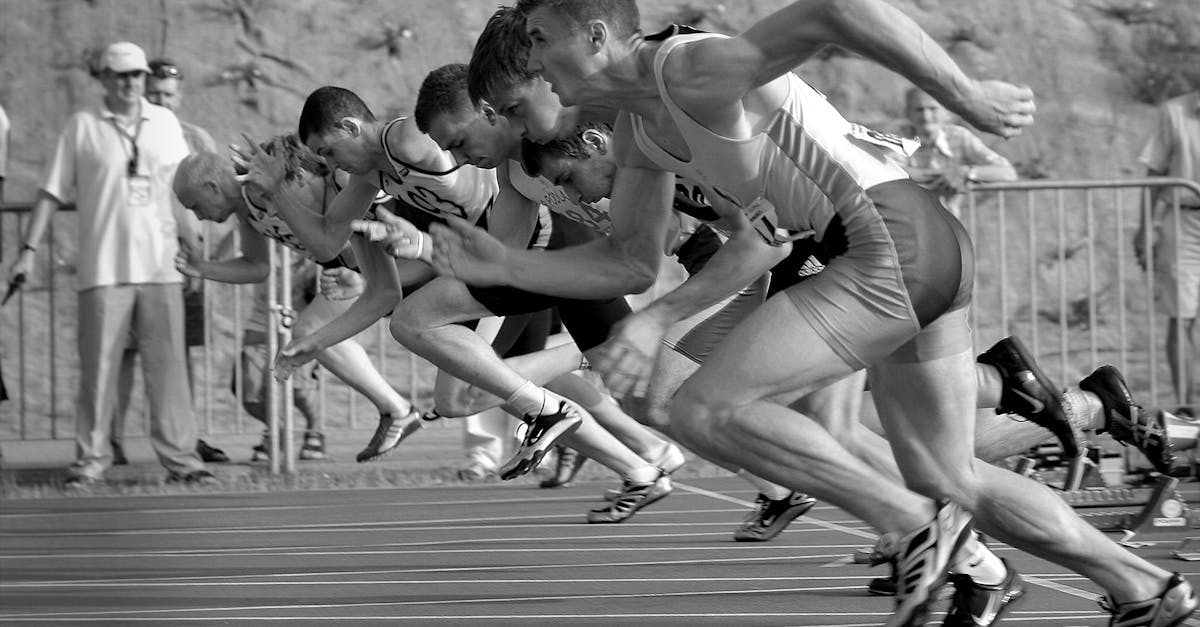
The Olympic Games represent the pinnacle of athletic achievement, but they also bring crushing psychological pressure that affects even the most accomplished competitors. Athletes from Simone Biles to Michael Phelps have spoken openly about anxiety, depression, and the mental strain of competing on the world's biggest stage. Understanding how elite performers manage this pressure offers insights into handling stress at the highest levels of competition.
Background
The Olympic spotlight creates unique mental challenges that go beyond typical competitive stress. Athletes face organizational pressures, media scrutiny, financial expectations, and the weight of representing their nations. The fear of failure, combined with the burden of expectations from coaches, families, and countries, can trigger a mental health crisis even among unbeatable performers.
Recent years have brought increased awareness of these struggles. High-profile athletes have publicly discussed their mental health challenges, shifting how the sports world understands the connection between psychological well-being and peak performance. This openness has prompted sports psychologists and mental health experts to develop specific strategies to help athletes navigate the intense pressure of Olympic competition.
Key Details
Mental Strategies Athletes Use
Sports psychologists have identified several evidence-based techniques that help athletes manage pressure. One of the most effective approaches involves changing how competitors view pressure itself. Rather than seeing high-stakes moments as threats, athletes who view pressure as a challenge or opportunity for growth tend to perform better under stress. This mental reframing can transform anxiety into motivation.
Visualization is another powerful tool. Athletes mentally rehearse their performances by closing their eyes and imagining successful outcomes, either as a big-picture victory or as step-by-step progressions from start to finish. This mental rehearsal builds confidence and reduces anxiety before competition begins.
Positive self-talk plays a important role in managing pressure. Athletes use different types of self-talk depending on their needs—instructional self-talk for technical tasks and motivational self-talk for strength and endurance challenges. Research shows that athletes who practice structured self-talk training experience reduced competitive anxiety, increased confidence, and improved overall performance.
"The use of routines, self-talk, imagery, and energy management through attentional control and breathwork can help increase confidence and comfort with the unknown." – Kelli Moran-Miller, certified mental performance consultant at Stanford Sports Medicine
Building Resilience Through Preparation
Athletes develop psychological resilience through specific personality traits and preparation methods. Openness to new experiences, conscientiousness, emotional stability, and optimism are common among Olympic champions. These traits allow athletes to view challenges positively and persist when facing setbacks.
Motivation—both intrinsic and extrinsic—significantly impacts how athletes handle pressure. Intrinsic motivation comes from personal satisfaction and passion for the sport, while extrinsic motivation includes recognition and rewards. This combination helps athletes continuously strive for improvement without being deterred by obstacles.
Confidence stemming from thorough preparation, past successes, and support from coaches and teammates allows athletes to maintain a positive outlook even under extreme pressure. Social support from family, friends, coaches, and teammates provides a buffer against stress, helping athletes feel secure and valued.
Practical Techniques for High-Pressure Moments
Athletes use relaxation techniques to address self-doubt and anxiety during competition. Deep-breathing exercises, progressive muscle relaxation, and positive self-talk help manage physiological and emotional stress responses. These techniques allow athletes to stay calm and composed when stakes are highest.
Goal-setting breaks large objectives into manageable, actionable steps. Before competition, athletes use this strategy to stay focused and motivated. During the event, they focus on specific attainable goals that challenge them to reach their highest potential.
Pre-performance routines provide structure and calmness before competition begins. These routines might include physical activities like yoga or stretching combined with mental practices. The combination of mental and physical exercises creates a complete approach to managing pressure.
Cognitive restructuring helps athletes identify and change negative thoughts that hurt performance. This technique, based on cognitive behavioral therapy, teaches athletes to challenge unhelpful beliefs and replace them with more accurate, productive thinking patterns.
The Role of Coping Styles
Research shows that how athletes cope with stress directly impacts their mental health and performance. Task-oriented coping—focusing on solving the problem—correlates positively with resilience. Emotion-oriented coping and distraction-based coping, by contrast, are associated with lower resilience and higher athlete burnout.
Athletes benefit from combining different support types. Informational support, emotional support, and cognitive strategies work together most effectively to manage competitive stress. Coach support proves particularly important for handling both organizational and competitive stressors.
What This Means
The mental health challenges facing Olympic athletes are not signs of weakness but natural responses to extraordinary pressure. The strategies elite performers use—visualization, positive self-talk, goal-setting, and social support—are not unique to sports. These same techniques can help anyone manage stress in high-pressure situations.
Athletes who master these mental skills develop lasting confidence that extends beyond competition. By reframing pressure as a challenge, building strong social networks, and practicing specific mental techniques, competitors at all levels can improve their performance and protect their mental health.
The growing awareness of mental health in Olympic sports reflects a broader shift in how performance and well-being are understood. Peak athletic performance depends not just on physical training but on psychological resilience, emotional regulation, and mental strength. As more athletes speak openly about their struggles, the stigma surrounding mental health in sports continues to decrease, making it easier for competitors to seek support and develop the mental tools they need to succeed.