The Pentagon has placed about 1,500 active-duty soldiers on standby for a possible deployment to Minnesota. This preparation follows weeks of protests in Minneapolis and St. Paul against federal immigration agents, sparked by the fatal shooting of a local activist earlier this month. Officials say the troops could help restore order if President Donald Trump decides to send them.
Background
Protests in the Twin Cities started picking up steam late last year after reports of a large fraud scandal in the state. Federal agents, mainly from Immigration and Customs Enforcement, or ICE, moved in to handle deportations and related operations. By early January, tensions boiled over. On January 7, ICE agents shot and killed 37-year-old Renee Nicole Good during one such operation in Minneapolis. Witnesses say Good approached agents aggressively, leading to the shooting. The incident drew crowds to the streets, where demonstrators have since followed and confronted federal personnel.
Minneapolis and St. Paul already have around 3,000 federal agents on the ground. Protesters have blocked operations, harassed officers, and clashed with law enforcement. Minnesota's governor called up the National Guard to support local police, but the situation has not calmed. President Trump, in a post on Truth Social, warned state leaders to crack down on what he called professional agitators targeting ICE workers. He threatened to use the Insurrection Act, a rarely invoked law that lets the president send troops into U.S. cities without state approval.
The Insurrection Act dates back over 200 years. It was last used during the 1992 Los Angeles riots after police officers were acquitted in the beating of Rodney King. Before that, President George H.W. Bush deployed troops 28 times, according to historical records. Trump mentioned this history on Friday, saying he might use it if needed but saw no immediate reason at that point.
Key Details
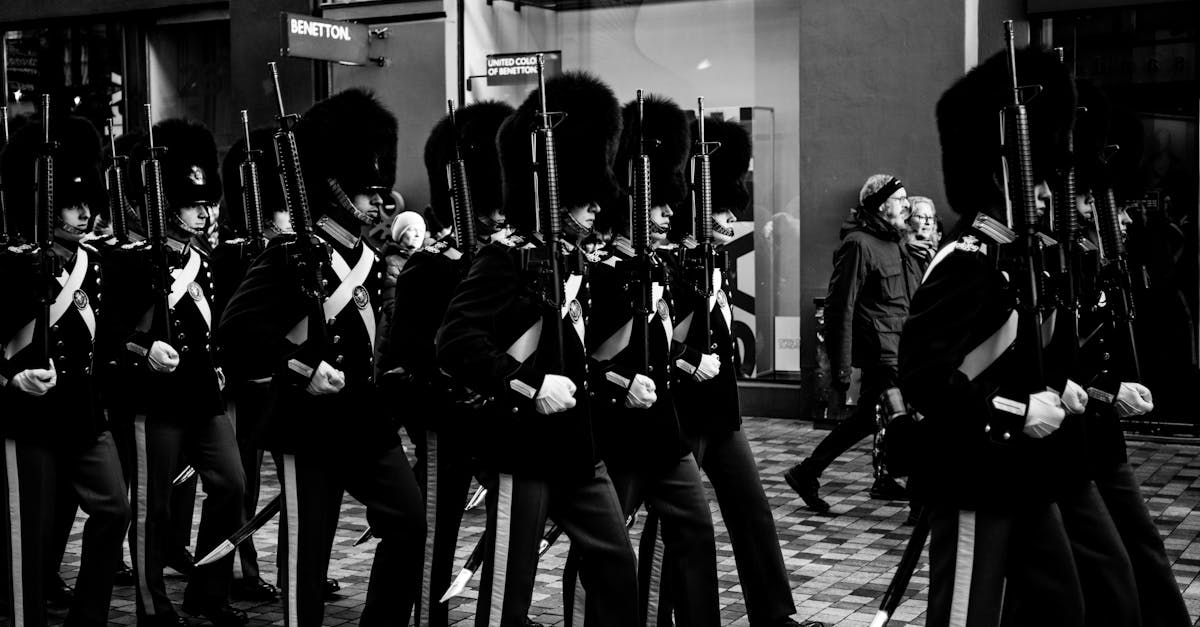
The soldiers on standby belong to two infantry battalions from the 11th Airborne Division, stationed in Alaska. Pentagon officials ordered them to prepare, but no final deployment order has come through. Defense sources describe the troops as ready to move if the president gives the word. The White House has not confirmed plans but said the Defense Department should be prepared for any decision Trump makes.
State and Local Response
Minnesota officials have pushed back against the idea of outside troops. Minneapolis Mayor Jacob Frey said the reports of soldiers on standby amount to intimidation. The state has mobilized its own National Guard units to handle crowds and protect federal operations. Local police in the Twin Cities are working overtime, coordinating with federal agents to keep streets clear.
“This is clearly designed to intimidate,” Mayor Frey said of the military preparations.
Frey stressed that Minneapolis will not back down from managing the protests through local means. State corrections officials have also clashed with federal narratives, denying claims that they failed to cooperate with ICE detentions.
Federal agents report ongoing harassment. Protesters have trailed ICE vehicles, shouted at officers, and in some cases thrown objects. The killing of Good has become a flashpoint, with rallies drawing hundreds each day. No other fatalities have occurred, but injuries to both protesters and agents have piled up.
What This Means
A deployment of active-duty soldiers would mark a rare use of the military inside U.S. borders for civil unrest. It could shift the balance in the Twin Cities, giving federal forces a stronger presence to carry out deportations amid the fraud investigations. Local leaders worry it would inflame tensions further, drawing more people to the streets and risking wider clashes.
Some Republicans have voiced caution. Senate Majority Leader John Thune said he hopes local and federal law enforcement can handle things without troops. He pointed to ongoing work between ICE, other agencies, and city police to calm the situation.
“Hopefully the local officials working with not only the federal law enforcement, ICE and other agencies, but also the local law enforcement officials will be able to settle things down,” Thune told reporters.
Trump's administration sees the protests as blocking lawful operations against what they call agitators and insurrectionists. Supporters argue ICE needs protection to do its job. Critics, including some in Minnesota's government, say the federal response has been heavy-handed, especially after Good's death.
The Pentagon has stayed quiet on specifics. No comment came quickly when asked about the standby order. As protests continue into this weekend, all eyes remain on the White House for the next move. Minnesota's streets stay on edge, with Guard troops patrolling key areas and federal agents pressing forward. The fraud scandal that started it all still hangs over everything, tying local crime to national immigration policy. Families in the Twin Cities wait to see if soldiers from Alaska will join the mix, or if local forces can hold the line.