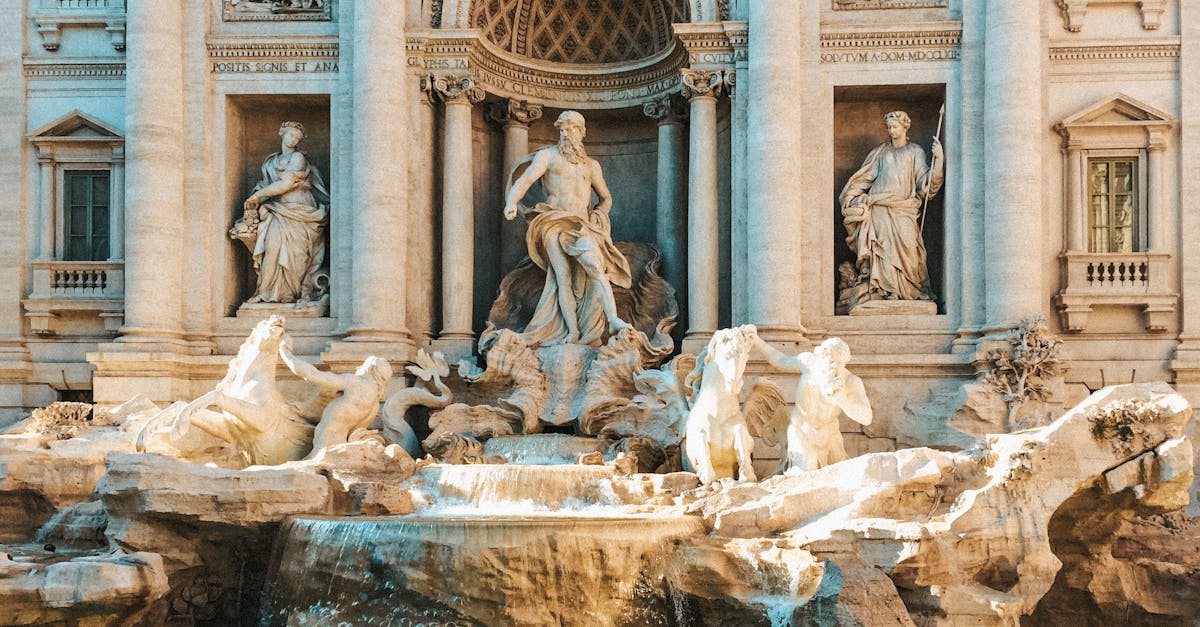
Rome has started charging tourists €2 to get close to the Trevi Fountain. The fee took effect on February 1, 2026, for access to the basin area where people toss coins to make wishes. City officials say the move helps control huge crowds and pay for upkeep of the 18th-century landmark. Rome residents and young children enter free.
Background
The Trevi Fountain sits in a small square in central Rome. Built between 1732 and 1762, it shows the sea god Oceanus in the center with water flowing into a big pool below. For almost 300 years, anyone could walk right up to it without paying. Tourists throw coins over their shoulder into the water. The money goes to charity and helps feed Rome's poor.
Crowds grew too big in recent years. In 2025, about 9 million people visited the spot. On busy days, up to 70,000 squeezed into the piazza. Lines formed, and people pushed to get near the water. The city tested ways to handle the flow in 2024 and 2025. They set up paths for entering and leaving the basin area. Those tests worked well, so now the fee makes it permanent.
Rome faces this issue at many sites. Too many visitors wear down old stones and make it hard to move around. The fountain draws people from all over because of its size, the sparkling water, and movie fame. In La Dolce Vita, stars swam in the pool at night. That scene made it even more popular.
Key Details
The €2 fee applies only to the lower basin level from 9 a.m. to 9 p.m. each day. Tourists buy tickets to enter a controlled zone that holds up to 400 people at once. They go in one way, view the fountain, and leave another way. This keeps traffic moving and stops jams.
Payment happens on site with cards or contactless methods. People can book ahead online or through city apps, like the ones for other Rome museums. The upper piazza stays free for everyone. From there, visitors see the full fountain, take photos, and walk around the square. After 9 p.m., the basin opens to all without a fee.
Rome locals and those in the nearby area show ID for free entry any time. Children up to age five also go in free. The city expects the fee to bring in €6.5 million a year. That money goes to fix and protect the fountain, plus other heritage sites.
Who Pays and Exemptions
- Tourists and non-residents: €2 per person
- Rome residents: Free with ID
- Kids 5 and under: Free
- Upper viewing areas: Free for all
This setup lets budget travelers still enjoy the fountain without paying. They just stay up top.
“I think tourists were shocked by the fact that the city of Rome is only asking for 2 euros for a site of this level,” said Alessandro Onorato, Rome’s tourism assessor. “I believe that if the Trevi Fountain were in New York, they would have charged at least $100.”
What This Means
The fee changes how people visit one of Rome's top spots. Fewer crowds at the basin mean safer steps and less risk of slips near the water. The fountain's stone and sculptures last longer without so many feet trampling them. City workers clean less often from food trash left by crowds.
Tourists get a better shot at the coin toss without elbows in their way. The one-way system speeds up turns. Revenue helps Rome keep other free sites open for locals. A new €5 ticket hits some smaller museums, but residents skip that too.
Some visitors grumble about paying for what was free. Others see €2 as cheap, less than coffee or bus fare. The change fits a pattern in Europe. Places like Venice charge day visitors to ease pressure on old centers. Barcelona limits apartments for tourists. Rome joins them to balance welcome with care for its past.
Locals gain most. Free access keeps their city theirs. Funds expand free museum days for them. Tourists still flock to Rome, but now with rules that make the trip smoother. The fountain's magic stays, coin by coin, wish by wish. Next time you visit, plan for the small fee if you want that close-up moment.