

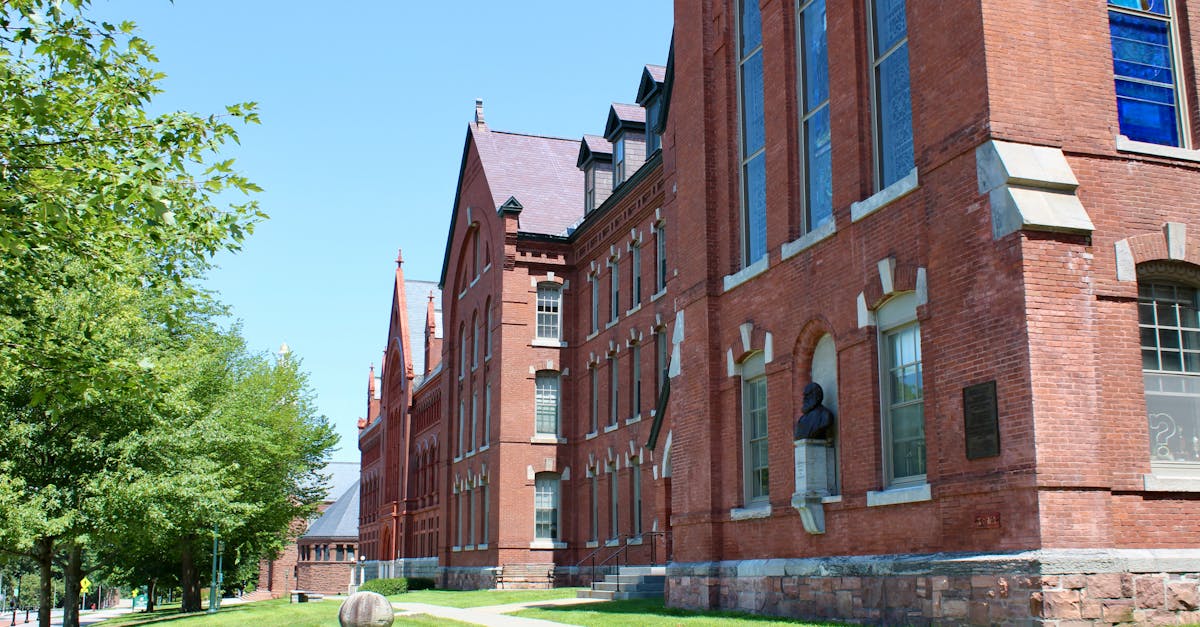
Sapienza University of Rome, home to more than 112,000 students and one of the largest universities in Europe, has been hit by a cyberattack that took its computer systems offline for several days. The attack started early this week, forcing the school to shut down its network to protect data. Officials formed a task force and called in Italy's National Cybersecurity Agency to help fix the problem and get things running again.
Background
Sapienza University sits in the heart of Rome and draws students from across Europe and beyond. It handles everything from class registrations to exam bookings through its online portals. On Tuesday, the university posted on social media that its IT setup had come under attack. To keep data safe, they cut off the network right away. This left the main website down and blocked access to tools like the Infostud portal, where students book exams, print certificates, and check their records.
The school moved fast to respond. They told authorities about the breach and set up a team of tech experts to check the damage. Backup systems, kept separate, stayed safe from the attack. These backups are now in use to bring services back step by step. The university also put up temporary infopoints around campus. These spots let students get info on exams and other needs that digital systems usually handle.
Italy's National Cybersecurity Agency stepped in with staff to aid the cleanup. Police cyber units joined too, looking into what happened. Exams keep going as planned, but students now sign up face-to-face with professors instead of online. The campus buzzed with worry as word spread. Some students joked online about the timing, but most just wanted their systems back.
Key Details
The attack locked up many systems, making daily tasks hard for staff and students alike. Email and workstations work only in limited ways. The university's Instagram updates show ongoing work to recover. As of now, the website is still offline.
Attack Type and Group
Reports point to ransomware as the cause. This kind of attack encrypts files and demands payment to unlock them. Italian news sources say the group behind it goes by Femwar02, a name not seen before this hit. They used software like Bablock, also called Rorschach, which showed up in 2023. This malware works fast to lock data and has features pulled from older strains.
Hackers sent a link with a ransom note. It has a 72-hour countdown that starts only if clicked. University staff left it alone to avoid the clock. No word on the amount asked. The malware matches patterns from groups like Babuk, LockBit, and DarkSide. While Rorschach does not run a public leak site, stolen data could still surface or get sold.
"Our IT infrastructure has been the target of a cyberattack. As a precautionary measure, and to ensure the integrity and security of data, an immediate shutdown of network systems has been ordered." – Sapienza University statement
Tech teams work around the clock with national experts. They scan for threats, clean infected parts, and test restores from clean backups. Progress is slow to make sure no risks remain. Students got alerts to watch for phishing emails or odd messages that could spread more trouble.
What This Means
This attack shows how schools face growing cyber risks. Universities hold vast data on students, research, and staff, making them prime targets. Sapienza's size amps up the impact—over 112,000 people rely on those systems daily. Classes go on, but admin work stalls. Researchers might lose access to shared drives or cloud tools needed for projects.
Restoring full service could take more days or weeks. Each step gets checked to block re-infection. The involvement of national agencies highlights the scale. Italy's cybersecurity team helps not just Sapienza but watches for wider threats. Pro-Russian links to the group add a layer, though not confirmed by officials.
Students adapt with paper forms and in-person talks. Infopoints ease some pain, but lines form as demand grows. Staff juggle manual tasks while fixing tech. Long-term, this pushes Sapienza to strengthen defenses. Better backups, staff training, and quick response plans will likely follow.
Other schools watch closely. Attacks on education rose last year, like hits on Harvard and Penn. Those did not use ransomware but stole data for extortion. Sapienza's case reminds everyone: no payment guarantees safety, and backups prove key. As recovery drags, the campus feels the weight of modern reliance on digital tools. National support speeds things up, but full normalcy waits ahead.