

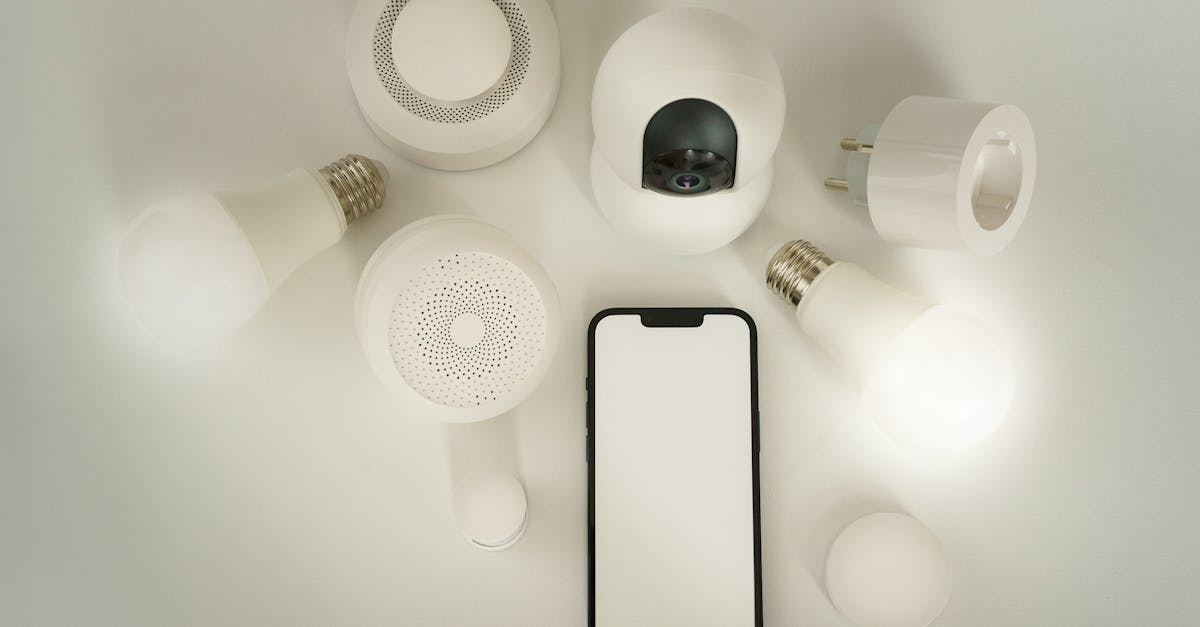
Millions of American households are discovering that smart plugs offer far more than basic on-and-off control. These small devices, which turn ordinary appliances into connected gadgets, are becoming central to how people manage energy consumption and home automation. Yet most users are only taking advantage of a fraction of their capabilities.
Smart plugs work by sitting between a wall outlet and an appliance, allowing users to control power remotely through a smartphone app or voice commands. What started as a novelty feature has evolved into a practical tool for managing household expenses and automating routines that previously required manual intervention.
Background
The smart plug market has experienced explosive growth over the past several years. The devices represent a small but rapidly expanding segment of the broader smart home industry, which is projected to reach $193.5 billion globally in 2026. Smart plugs themselves are growing even faster, with market analysts predicting the sector will expand from approximately $664 million in 2025 to nearly $6.2 billion by 2033.
This growth reflects a fundamental shift in how Americans view home technology. More than 43 percent of U.S. households are expected to have some form of smart home setup by 2025. The adoption rate continues climbing, with approximately 69.91 million smart home installations recorded in the United States in 2024, projected to reach 84.92 million by 2026.
The rise of smart plugs specifically stems from several factors. Consumers are increasingly concerned about rising electricity costs and environmental impact. At the same time, the devices have become more affordable and easier to set up. Most modern smart plugs connect via Wi-Fi and work with popular voice assistants like Amazon Alexa and Google Assistant, removing technical barriers that once limited adoption.
Key Details
How People Are Using Smart Plugs
Homeowners are discovering practical applications that go well beyond simple remote control. Energy monitoring is one of the most common uses. Smart plugs can track how much power individual appliances consume, helping users identify which devices are running up their electricity bills. Some people use them to automatically cut power to devices that are left on unnecessarily, such as entertainment systems or office equipment.
Scheduling is another major application. Users can program smart plugs to turn devices on and off at specific times. This works well for water heaters, which can be set to run during off-peak hours when electricity rates are lower. Coffee makers can be programmed to start brewing before someone wakes up. Outdoor lights can automatically turn on at dusk and off at dawn.
The commercial sector is also adopting smart plugs at growing rates. Businesses use them for the same energy-saving benefits as households, but at larger scales. A commercial building might program dozens of smart plugs to reduce power consumption during peak demand times, which helps lower overall electricity costs and reduces strain on the power grid.
Market Leaders and Technology Options
The market for smart plugs is dominated by Wi-Fi-enabled devices, which account for roughly 85 percent of sales. The popularity of Wi-Fi plugs stems from their ease of use and integration with existing smart home ecosystems. However, Bluetooth-based smart plugs are gaining traction among users who prioritize security and don't need remote access from outside their homes.
Major manufacturers in the space include Belkin International, BroadLink Technology, Panasonic Corporation, and D-Link Corporation. These companies compete on features, reliability, and pricing. Entry-level smart plugs now cost as little as $15 to $20, making them accessible to average consumers.
"Smart plugs offer numerous advantages, such as easy access to devices from smartphones, and outdoor access," according to market analysis of the sector.
What This Means
The expansion of smart plug adoption reflects broader trends in home automation and energy consciousness. As electricity costs continue rising and environmental concerns grow, homeowners are looking for practical ways to reduce consumption without sacrificing convenience. Smart plugs fit this need perfectly because they require minimal installation and deliver measurable savings.
The technology also addresses a key challenge facing power grids. When many households reduce consumption during peak demand times through automated scheduling, it helps prevent blackouts and reduces the need for expensive infrastructure upgrades. This benefit has prompted some utility companies and governments to encourage smart plug adoption through rebate programs and energy efficiency standards.
However, challenges remain. Cybersecurity concerns and data privacy issues continue to worry some consumers. The reliance on stable internet connectivity means that smart plugs become useless during outages. Compatibility issues between different smart home brands can frustrate users trying to build integrated systems.
For consumers considering smart plugs, the practical takeaway is straightforward. These devices work best when users move beyond basic control and actually monitor their energy usage, set up schedules, and integrate them with other smart home devices. The investment is small, but the benefits compound over time through reduced electricity bills and increased convenience.