
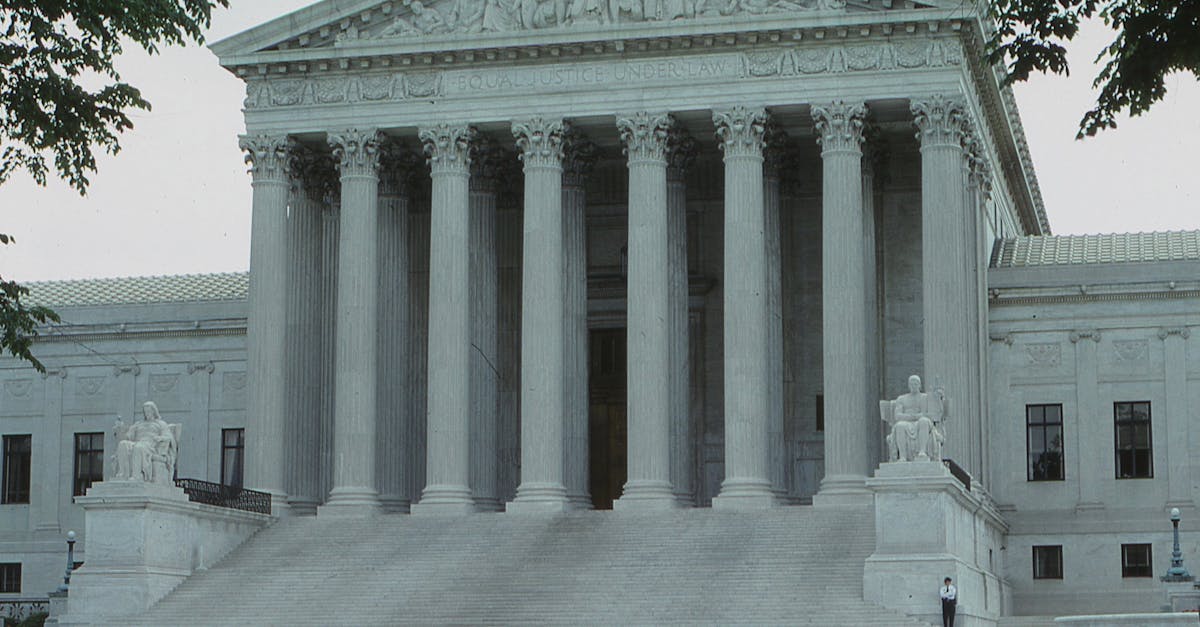
President Trump suffered his most significant legal defeat of his second term on Friday when the Supreme Court ruled that he doesn't have the authority to impose sweeping tariffs using a 1977 emergency powers law. The 6-3 decision struck down what Trump called "reciprocal" tariffs on nearly every other country, but it left open a critical question: what can he do next?
The answer is plenty. While the court blocked Trump's use of the International Emergency Economic Powers Act to justify his tariffs, it explicitly said the ruling doesn't prevent him from imposing duties under different trade authorities. Administration officials have already signaled they plan to keep the tariff framework in place using these alternative legal tools.
Key Takeaways
- The Supreme Court ruled 6-3 that Trump exceeded his authority when using the International Emergency Economic Powers Act to impose broad tariffs
- The decision doesn't ban tariffs entirely—just this particular legal justification for them
- Trump can still impose duties under other trade laws that give him more power than most people realize
- The ruling is the first major loss for Trump's second-term agenda in the nation's highest court
Background
Trump's tariff saga began last April when he declared a national emergency over trade deficits and imposed what he called "reciprocal" tariffs on most countries. Before that, he'd already slapped duties on Canada, China, and Mexico, citing drug trafficking concerns.
The legal challenge came quickly. A dozen largely Democratic-leaning states filed suit, along with small businesses selling everything from plumbing supplies to educational toys to women's cycling apparel. They argued that the 1977 law—the International Emergency Economic Powers Act—doesn't even mention tariffs, and that Trump's use of it failed several legal tests.
The stakes were enormous. The Congressional Budget Office estimated the economic impact of Trump's tariffs at roughly $3 trillion over the next decade. By December, the Treasury had already collected more than $133 billion from the import taxes Trump imposed under the emergency law. Companies like Costco have already lined up in court demanding refunds.
When the Supreme Court heard arguments in the case, Trump made his feelings clear. He called it one of the most important cases in U.S. history. He said a ruling against him would be an economic body blow to the country. But even as Trump pushed hard for a win, legal opposition crossed the political spectrum. Libertarian groups and pro-business organizations that typically align with Republicans filed briefs opposing his tariffs. Polling showed tariffs weren't broadly popular with the public, who worried more about affordability than trade deficits.
Key Details
The Supreme Court's decision centered on a straightforward legal question: does a 1977 law designed to let presidents regulate imports during emergencies actually allow them to set tariffs?
The court said no. Justices ruled that the International Emergency Economic Powers Act doesn't authorize the president to impose tariffs. The decision upheld lower court rulings that found Trump's levies illegal under that particular law.
Three conservative justices dissented: Samuel Alito, Clarence Thomas, and Brett Kavanaugh. This marked a notable split on the court, despite Trump having appointed three of the nine justices during his first term.
"The Constitution gives Congress the power to levy tariffs, but the Trump administration argued that a 1977 law allowing the president to regulate importation during emergencies also allows him to set tariffs."
What makes this ruling less devastating than it might seem is what the court didn't say. The justices were careful to note that their decision applies specifically to the International Emergency Economic Powers Act. They explicitly stated that Trump can still impose tariffs under different trade authorities.
The Alternative Tools
Trump has already been using other laws to impose duties. He's relied on separate authorities to slap levies on copper, steel, and aluminum imports, as well as other products. These alternative trade laws exist and give presidents significant power to set tariffs, though they typically come with more limitations on speed and severity than what Trump tried to do with the emergency powers law.
Top administration officials have said they expect to keep the tariff framework in place under these other authorities. In practical terms, this means Trump's tariff agenda isn't dead—it's just constrained by different legal boundaries.
What This Means
This ruling represents the first major piece of Trump's broad second-term agenda to come squarely before the nation's highest court. It's also his first significant loss in that court, even though he shaped it with three conservative appointees.
The decision matters because it shows the Supreme Court won't simply rubber-stamp extraordinary uses of executive power, even when the president claims national emergency. Trump has won a series of short-term victories on the court's emergency docket that allowed him to push ahead with other executive actions, from high-profile firings to major federal funding cuts. But the tariffs case suggests there are limits.
For businesses and consumers, the ruling offers some relief but not a complete reprieve. Companies that paid tariffs under the emergency law may get refunds through ongoing court cases. But Trump can still impose duties under other legal tools, meaning tariffs will likely remain a feature of his trade policy.
For Congress, the ruling highlights a frustrating reality. While the Constitution gives lawmakers the power to levy tariffs, they've delegated significant authority to the president through various trade laws. Even when Congress tried to push back—passing a joint resolution last week to end Trump's 35 percent tariff on Canadian goods—the effort went nowhere. House Speaker Mike Johnson called it a "fruitless exercise."
The Supreme Court is also weighing other significant Trump policies. The justices will hear arguments in April over the legality of his plan to end birthright citizenship. And they're considering whether to allow the president to fire officials at independent federal agencies without cause. The tariffs ruling suggests the court won't automatically side with the president on these other questions either.
Frequently Asked Questions
Can Trump still impose tariffs after this ruling?
Yes. The Supreme Court only blocked his use of the International Emergency Economic Powers Act. Trump can still impose tariffs under other trade authorities that Congress has given to presidents. These alternative laws typically come with more limitations, but they still give him substantial power to set duties on imports.
Will companies get refunds for tariffs they already paid?
Maybe. Companies and groups have filed lawsuits seeking refunds for tariffs collected under the emergency powers law that the court just struck down. Those cases are still working through the courts. The Treasury collected more than $133 billion from these tariffs by December, so the refund question could involve substantial sums.
How does this affect Trump's other executive actions?
The ruling suggests the Supreme Court won't automatically approve all of Trump's extraordinary uses of executive power. But the justices have allowed many of his other policies to proceed while legal challenges move forward. The court will hear more cases about Trump's actions in coming months, including disputes over birthright citizenship and his ability to fire federal agency officials.
Frequently Asked Questions
Can Trump still impose tariffs after this ruling?
Yes. The Supreme Court only blocked his use of the International Emergency Economic Powers Act. Trump can still impose tariffs under other trade authorities that Congress has given to presidents. These alternative laws typically come with more limitations, but they still give him substantial power to set duties on imports.
Will companies get refunds for tariffs they already paid?
Maybe. Companies and groups have filed lawsuits seeking refunds for tariffs collected under the emergency powers law that the court just struck down. Those cases are still working through the courts. The Treasury collected more than $133 billion from these tariffs by December, so the refund question could involve substantial sums.
How does this affect Trump’s other executive actions?
The ruling suggests the Supreme Court won’t automatically approve all of Trump’s extraordinary uses of executive power. But the justices have allowed many of his other policies to proceed while legal challenges move forward. The court will hear more cases about Trump’s actions in coming months, including disputes over birthright citizenship and his ability to fire federal agency officials.