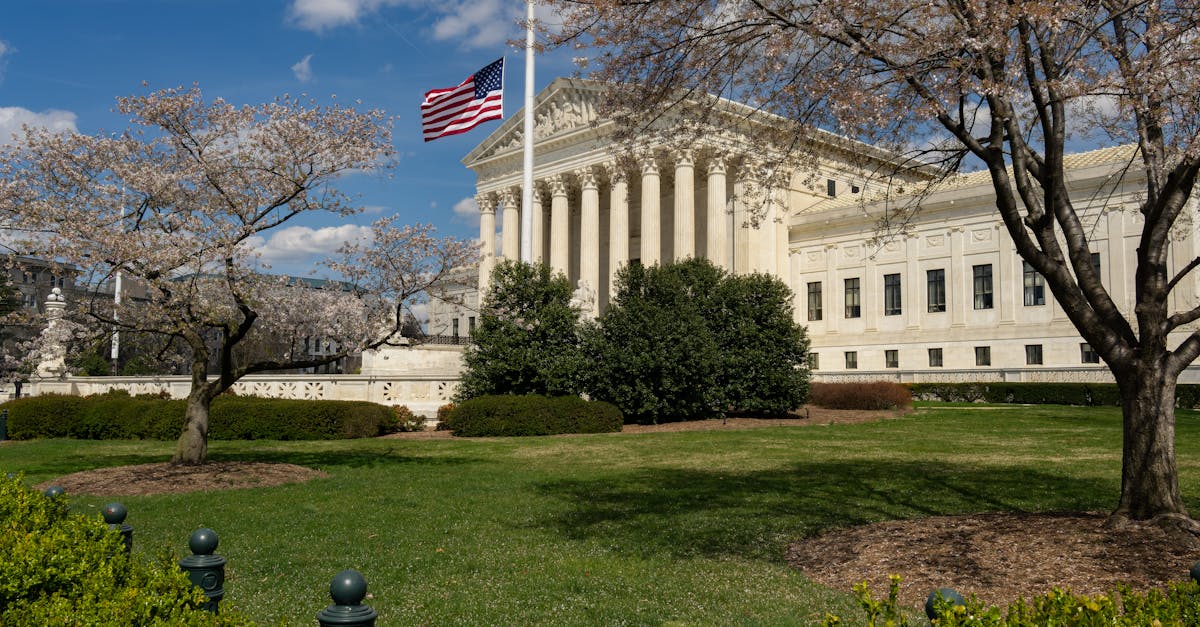
The US Supreme Court delivered a Supreme Court tariffs ruling today that blocks President Donald Trump's broad tariffs on imports from many countries. In a 6-3 decision, the justices said Trump overstepped a 1977 law meant for national emergencies tied to foreign threats. This happened in Washington DC on February 20, 2026. The ruling came after lawsuits from small businesses and states hit hard by higher costs. It limits how Trump can use trade tools in his second term to fix what he calls unfair deals with other nations.
Key Takeaways
- Supreme Court voted 6-3 to strike down tariffs imposed via executive orders under the International Emergency Economic Powers Act (IEEPA).
- Chief Justice John Roberts wrote the main opinion, saying IEEPA doesn't mention tariffs and can't support such broad power.
- The ruling may lead to up to $175 billion in refunds for importers who paid over $200 billion in 2025.
- Dissenters argued tariffs are a valid way to regulate imports during emergencies.
Background
Trump pushed these tariffs hard in his first term. He brought them back stronger after winning re-election. The measures hit imports from places like China, Mexico, Canada, and the European Union. Some countries faced 10% duties on almost everything they send here. Others got even higher rates. Trump said big trade deficits hurt US security and jobs. He used the 1977 International Emergency Economic Powers Act, or IEEPA, to justify it. That law lets presidents act fast in emergencies from abroad. But critics said it never meant for everyday trade fights.
Small businesses sued first. They said costs jumped on steel, electronics, clothes, and car parts. States like California and New York joined in. Lower courts agreed the tariffs went too far. But appeals kept the duties in place while the case climbed to the Supreme Court. Importers kept paying. In 2025 alone, that added up to more than $200 billion. Families felt it too. Grocery prices rose. Factories slowed down. Jobs hung in the balance.
And the fight wasn't new. Trump tried similar moves before. Congress gave mixed signals over years. Some laws allow targeted tariffs. Others set strict rules. IEEPA stayed vague on trade taxes. No president before used it this way. That gap let the court step in.
Key Details
The decision split the court. Chief Justice John Roberts led the majority. He wrote that two words in IEEPA – 'regulate' and 'importation' – don't give unlimited tariff power. Those terms sit amid 16 others. They cover blocking or probing imports in crises. Not slapping taxes forever.
Roberts pointed to history. Congress always spells out tariff powers clearly. With limits. IEEPA skips that. He brought up the 'major questions doctrine.' Big economic moves need plain language from lawmakers. Tariffs touch the nation's wallet deep. That's Congress's job, not the president's alone.
Justices Neil Gorsuch and Amy Coney Barrett joined extra parts. They stressed context matters. Common sense too. Trump's team claimed emergencies from trade gaps. The court said no. IEEPA targets threats like wars or hacks. Not routine deficits.
The three Democratic justices – Sonia Sotomayor, Elena Kagan, and Ketanji Brown Jackson – backed the text reading. They agreed IEEPA lists actions like blocking or nullifying trade. Tariffs aren't there.
The Dissent
But Justices Brett Kavanaugh, Clarence Thomas, and Samuel Alito dissented. Kavanaugh said tariffs fit as a tool to regulate imports. Presidents used them for decades in emergencies. He downplayed the major questions idea. In foreign affairs, courts stick to the law's words. No extra hurdles.
Kavanaugh warned of refunds. The government might owe billions. Some importers passed costs to buyers. Others ate them. Chaos could follow.
"The President asserts the independent power to impose tariffs on imports from any country, of any product, at any rate, for any amount of time. Those words cannot bear such weight." – Chief Justice John Roberts
Lower courts now handle details. They blocked the tariffs before. This sends cases back. Collections stop. But refunds? Uncertain. Importers have 180 days after paying to protest. Claims could flood in. Experts at the Wharton Budget Model project up to $175 billion back. That's half of recent tariff cash. Without new taxes, government revenue drops.
Trump's tariffs varied. China faced the heaviest early on. Then Vietnam, India, Mexico. 'Reciprocal' ones hit nearly everyone at 10%. Higher for dozens. Data shows China topped collections. Over 40% some months. Others trailed.
For context on Trump's trade tensions, see our earlier coverage of court limits on emergency powers. And as US military buildup hits peak near Iran, trade fights mix with bigger foreign tests.
What This Means
Trade flows change fast. Importers save money. Prices might dip on shelves. Steel buyers cheer. Electronics too. But US makers lose protection. Factories in Ohio and Pennsylvania worry. Jobs they gained could slip.
Trump's agenda takes a hit. He promised tough trade deals. Now Congress must act for new tariffs. Lawmakers split on that. Republicans back him. Democrats want talks, not taxes. Bills linger. None passed yet.
Global partners watch. Canada and Mexico renegotiate under clouds. China digs in. Europe eyes retaliation. The ruling clips unilateral moves. Presidents think twice on IEEPA. Future emergencies? Courts weigh in sooner.
Refunds loom large. Billions at stake. Treasury scrambles. Some firms wait years. Others push class actions. Consumers? Mixed bag. Lower import costs help. But refund fights drag.
And broader power shifts. The major questions doctrine grows. Agencies face checks. Big rules need clear laws. Trump's team hunts workarounds. Congress could amend IEEPA. Or pass fresh trade acts. Won't happen quick.
Businesses adapt. Supply chains shift. Vietnam gains if China loses. India too. Daily tariff hauls hit $500 million lately. Half vanishes without replacements.
Second-term plans adjust. Trump eyes other levers. Like the Supreme Court blocks on emergency tariffs, but options remain. Deals. Sanctions. Talks. Less flash. More grind.
Frequently Asked Questions
What tariffs did the Supreme Court strike down?
The ruling covers sweeping tariffs Trump set via executive orders. These included 10% on most countries and higher on places like China under IEEPA for trade deficits as threats.
Will importers get refunds?
The court didn't order them. But illegal collections open doors. Protests go to Customs within 180 days. Estimates say up to $175 billion possible.
Can Trump impose new tariffs?
Yes, but not via IEEPA alone. Congress must approve big ones. Or use narrower laws with limits.
Frequently Asked Questions
What tariffs did the Supreme Court strike down?
Sweeping tariffs Trump set via executive orders, including 10% on most countries and higher on China, under IEEPA for trade deficits as threats.
Will importers get refunds?
Court didn’t order them, but illegal status opens claims to Customs within 180 days. Up to $175 billion estimated.
Can Trump impose new tariffs?
Yes, through Congress or narrower laws, but not broad IEEPA use.