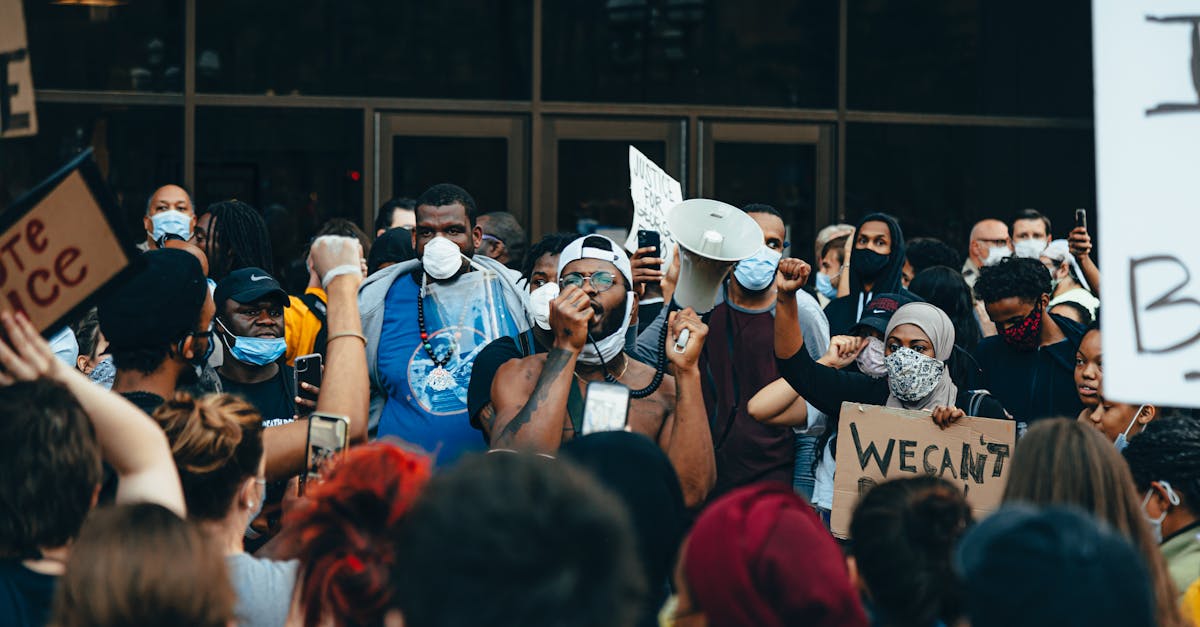
White House border czar Tom Homan said Thursday that the Trump administration is ending its immigration crackdown in Minnesota. The operation, which started in early December, led to more than 4,000 arrests in the Minneapolis-St. Paul area, sparked large protests, and resulted in the deaths of two U.S. citizens at the hands of federal agents. Homan made the announcement at a news conference in Minneapolis as the Department of Homeland Security faces an immediate funding cutoff after lawmakers failed to pass a spending bill.
Background
The push, known as Operation Metro Surge, began on December 1. Federal agents from Immigration and Customs Enforcement flooded the Twin Cities with thousands of officers. They targeted what officials called dangerous criminals living in the country without legal permission. Over 10 weeks, the sweeps turned into a national story. Protests filled the streets almost every day. People marched against what they saw as heavy-handed tactics. Federal agents clashed with crowds on several occasions.
Two deaths marked the operation's darkest moments. Renee Good and Alex Pretti, both U.S. citizens, were shot and killed by agents during incidents in Minneapolis. Good was observing a raid when shots rang out. Pretti died in a similar confrontation weeks later. Videos of the events spread quickly online, fueling outrage. Families of the victims demanded answers. Local leaders called for federal investigations.
Minnesota Governor Tim Walz labeled the presence of federal agents an occupation. He spoke out against what he called retribution against his state. Walz, a Democrat, had talks with Trump administration officials. He predicted the end of the operation days before Homan's announcement. The governor pointed to damage in communities, schools, and the economy. Health workers in Minneapolis reported patients avoiding care out of fear.
The operation drew agents from across the country. At its peak, over 2,700 federal officers worked in Minnesota. They focused on jails and streets. Early on, agents made arrests in public, which led to chaos. Later, they shifted to picking up people from local lockups. This change came after talks with some county sheriffs. Not all local leaders went along. Hennepin County's jail, the state's largest, stuck to its no-help policy for federal agents.
Public reaction split along lines. Trump supporters praised the arrests. They said Minnesota had become too soft on crime. Critics saw racial profiling and rights violations. A recent poll showed most Americans think the president's immigration plans have gone too far. The backlash grew so strong that over a dozen federal prosecutors in Minnesota resigned. They cited problems with how the shootings were handled.
Key Details
Homan took charge in late January. He came after the second death and amid falling approval for the effort. At Thursday's news conference, he called the operation a success. He said Minnesota is now safer and less of a haven for criminals. Homan noted better teamwork with local jails. This let agents make arrests without street sweeps.
"The surge is leaving Minnesota safer," Homan said. "I'll say it again, it's less of a sanctuary state for criminals."
The drawdown started last week. Homan pulled out 700 agents right away. More than 2,000 stayed until now. He plans to oversee the rest leaving over the next week. A small team will remain to wrap up work and hand things back to the local ICE office. Agents will spread out across the state to move people from jails without holding them extra time.
Numbers tell part of the story. Agents arrested over 4,000 people. Officials say most had criminal records. But reports show some had no criminal history. Children and U.S. citizens got caught up too. ICE faces questions about use of force. Last year, the agency looked into 37 cases. Eighteen closed, 19 still open. Details on punishments are not public.
Local sheriffs gave mixed responses. Some said talks with Homan went well. Others, like those speaking to reporters, said their policies did not change. Protests have died down in recent weeks. Homan credited local leaders for that shift.
Funding Crisis Hits DHS
The Minnesota news lands as DHS runs out of money today. Congress tried to pass a bill yesterday to keep the department going until September. It failed. Democrats refused without big changes to immigration rules. The department handles borders, citizenship, and disasters. Without funds, operations could slow nationwide.
This is not the first failed deal. Lawmakers promised action on health care subsidies last year but let them lapse. Former Senator Heidi Heitkamp said Congress lacks push to compromise. She warned it hurts trust in government.
What This Means
Ending the operation shifts focus for the Trump administration. Homan promised mass deportations will continue elsewhere. He said the president plans to keep that promise. A smaller federal presence stays in Minnesota for now. Local ICE will take over daily work.
Communities face recovery. Governor Walz asked for emergency funds from federal and state sources. He sees a long road ahead for healing fear and trauma. Doctors worry about health effects that linger. Immigrants may still avoid services. Schools report absences. Businesses note worker shortages.
Protests may spark again if agents return in force. Activists like Lisa Erbes from Indivisible Twin Cities want accountability. They point to the deaths and detentions. Families wait for shooting probes. Resignations among prosecutors add pressure.
On funding, DHS must act fast. Without a deal, agents could face pay issues. Border work might stall. Lawmakers face weekend talks. Past patterns show tough road to agreement.
Nationally, the Minnesota story tests immigration policy. It highlighted costs of big sweeps. Public views split, but polls lean critical. Trump team calls it a win on crime. Opponents see human toll. The drawdown eases one hotspot but leaves bigger questions on enforcement ahead.