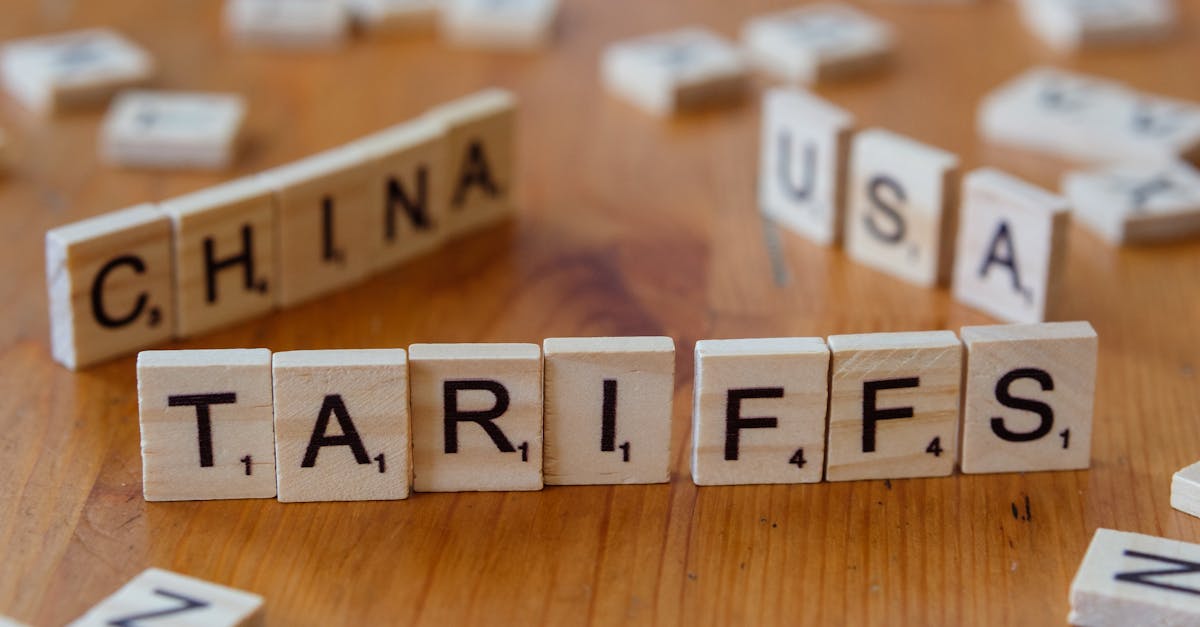
President Donald Trump announced sweeping tariffs against eight European nations on Saturday, starting at 10 percent and rising to 25 percent by mid-year, unless they agree to allow the United States to purchase Greenland. The move has triggered an unprecedented crisis in transatlantic relations, with European leaders calling it coercive and threatening to retaliate with coordinated trade measures.
The tariffs target Denmark, Norway, Sweden, France, Germany, the United Kingdom, the Netherlands, and Finland—all NATO members. Trump said the measures will take effect on February 1, with rates climbing to 25 percent on June 1. He stated the tariffs will remain in place until the United States is able to purchase Greenland, an autonomous territory within the Kingdom of Denmark.
The announcement came after several European nations deployed small military forces to Greenland for exercises aimed at strengthening Arctic security. Trump characterized this as a threat and responded by threatening economic punishment.
Background
Greenland has emerged as a strategic focus for Trump's administration due to its mineral wealth and Arctic location. Trump first raised the prospect of acquiring the island during his first term, but Danish and Greenlandic politicians have repeatedly rejected any such proposals.
The territory is home to the U.S. Pituffik Space Base and around 150 American troops. As part of the Kingdom of Denmark, Greenland is covered by NATO's collective defense clause, making it a shared security concern for the alliance.
European nations had planned military exercises in Greenland to enhance security in the Arctic region, a move they framed as a shared transatlantic interest. Trump's response—linking trade policy to territorial acquisition—marked a dramatic escalation and caught European leaders off guard.
Danish Prime Minister Mette Frederiksen said the tariff threat came as a surprise, noting she had held what she described as a "constructive meeting" with U.S. Vice President JD Vance and Secretary of State Marco Rubio just days earlier.
Key Details
The tariff announcement sparked immediate and unified resistance across Europe. Eight targeted nations issued a joint statement expressing "full solidarity with the Kingdom of Denmark and the people of Greenland," calling the tariffs "unacceptable" and warning they "undermine transatlantic relations and carry the risk of a dangerous downward spiral."
"Tariffs would undermine transatlantic relations and risk a dangerous downward spiral. Europe will remain united, coordinated and committed to upholding its sovereignty," said European Commission President Ursula von der Leyen.
Emmanuel Macron, France's president, was particularly forceful in his response. He said tariff threats are "unacceptable" and declared that "Europeans will respond to them in a united and coordinated manner if they were to be confirmed."
"We will not let ourselves be blackmailed. Only Denmark and Greenland decide on issues concerning Denmark and Greenland," Macron said.
British Prime Minister Keir Starmer called the tariffs "completely wrong," arguing that applying them to allies for pursuing collective NATO security made no sense. Italian Prime Minister Giorgia Meloni also rejected the decision, calling it "a mistake."
European Response and Countermeasures
European Council President Antonio Costa announced plans to convene an emergency meeting of the European Council to address the crisis. EU officials have indicated they are exploring coordinated trade counter-measures in response.
The European Union has previously discussed using what it calls an "anti-coercion trade instrument" to defend member states against economic pressure. EU leaders suggested they might target American products, with some politicians proposing tariffs on U.S. digital services.
The dispute has also stalled approval of a major EU-U.S. trade deal, with European Parliament leaders pausing their support due to the tariff conflict.
Reaction in Greenland and Domestically
Greenlandic and Danish politicians have unanimously rejected any notion of American acquisition. The announcement sparked protests in Greenland's capital, Nuuk, where crowds gathered for a "Stop Trump" march over the weekend.
Within the United States, there was bipartisan concern. A group of House members and senators traveled to Greenland and held what they described as "constructive" conversations with members of Denmark's parliament. U.S. Senators Jeanne Shaheen, a Democrat, and Thom Tillis, a Republican, warned that the tariff threat would damage America's relationships with European allies.
What This Means
The Greenland tariff dispute represents an unprecedented use of trade policy to pressure allies on territorial acquisition. Trump's strategy of linking tariffs directly to a specific geopolitical demand has no clear precedent in modern transatlantic relations.
European leaders worry the escalation could trigger a broader trade war that harms both economies. EU officials have warned that tariffs risk making "Europe and the United States poorer and undermine our shared prosperity."
The crisis also raises questions about NATO cohesion at a moment when the alliance faces challenges in supporting Ukraine against Russia's invasion. Some EU officials have expressed concern that the Greenland dispute is distracting from the bloc's ability to coordinate on shared security threats.
The next critical date is February 1, when the initial 10 percent tariffs are scheduled to take effect. European officials have indicated they will respond with coordinated counter-measures if the tariffs are implemented. Whether diplomatic negotiations can resolve the standoff in the coming weeks remains unclear, but European leaders have signaled they will not capitulate to what they view as economic coercion.