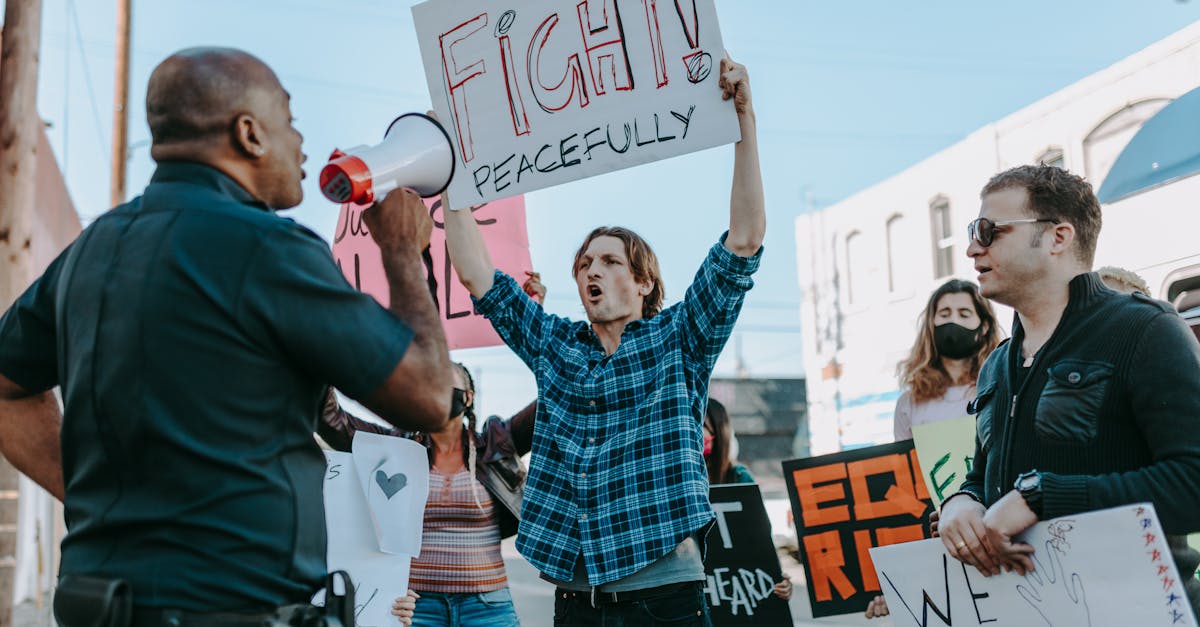
President Donald Trump stated on Wednesday that he may invoke the Insurrection Act to deploy federal troops in Minneapolis, where protests have intensified over violent enforcement actions by Immigration and Customs Enforcement agents. The announcement followed reports of clashes between demonstrators and law enforcement in the city, with Trump citing the need to restore order as local police struggle to contain the unrest. This threat revives a rarely used law from 1807 that gives the president broad power to send military forces into American communities.
Background
The Insurrection Act dates back to March 3, 1807, when President Thomas Jefferson signed it into law. It started as a way to let the president call on land and naval forces to handle insurrections or blockages to federal or state laws. Back then, the U.S. faced worries about uprisings, like those tied to early labor troubles or regional rebellions. The law built on earlier militia rules from the 1790s, which let leaders use state militias for defense.
Over time, Congress changed the act several times to fit new situations. In 1871, during Reconstruction after the Civil War, lawmakers added parts under the Ku Klux Klan Act. This let presidents send troops to protect civil rights when states could not or would not. The act now sits in U.S. Code as sections 251 through 255 in Title 10. It stands as the main exception to the Posse Comitatus Act of 1878, which normally keeps the military out of domestic police work.
Presidents have turned to it in moments of big unrest. Andrew Jackson used it in 1831 to stop Nat Turner's slave rebellion in Virginia. Abraham Lincoln relied on its powers during the Civil War to move federal troops into Southern states without governors' okay. Ulysses S. Grant called it up three times in the 1870s to fight Ku Klux Klan violence in the South and safeguard Black Americans' rights.
In the 20th century, it saw action in labor fights and civil rights battles. Grover Cleveland invoked it in 1894 for the Pullman Strike, sending soldiers to break railroad workers' picket lines. Woodrow Wilson used it in 1914 for the Colorado Coalfield War, where miners clashed with company guards. Dwight D. Eisenhower activated it in 1957 to enforce school desegregation in Little Rock, Arkansas, after the Supreme Court's Brown v. Board of Education ruling. John F. Kennedy followed suit in 1962-1963 for university integration in Mississippi and Alabama. George H.W. Bush was the last to use it, in 1992, to calm the Los Angeles riots after the Rodney King verdict.
These cases show the act's role in federal responses to violence that local forces could not handle. It has been called on about 30 times in over 200 years, often when states asked for help or when federal laws faced direct challenges.
Key Details
The Insurrection Act has three main paths for a president to use it. First, under Section 251, if a state faces an insurrection against its government, the president can step in if the state's legislature or governor asks. Second, Section 252 covers times when ordinary court processes get blocked by force, rebellion, or unlawful groups, making it impossible to enforce U.S. laws. Third, Section 253 targets insurrections, domestic violence, or conspiracies that stop laws from working and deny people their constitutional rights, especially if state authorities cannot protect them.
How Invocation Works
To invoke it, the president issues a proclamation ordering insurgents to stop. If they do not, troops can move in. The president can federalize National Guard units or send active-duty Army, Navy, Air Force, or Marines. No court approval is needed upfront, though Congress can end it after 60 days unless renewed. The Justice Department has guidelines from 1964 that limit it to cases where states request aid, federal court orders need backing, or local police have collapsed.
In the current Minneapolis situation, ICE agents carried out raids targeting undocumented immigrants, leading to arrests and reported use of force. Protesters gathered, blocking streets and clashing with police. Trump said during a White House briefing that local leaders failed to act, paving the way for federal intervention. He pointed to burning cars and injured officers as signs of insurrection-level disorder.
"If the city can't control this, the military will," Trump said. – President Donald Trump
Legal experts note the act's broad language leaves room for judgment. Past uses often tied to clear breakdowns, like riots killing dozens or blocking federal rights. Minneapolis reports show over 100 arrests and property damage, but no deaths so far.
What This Means
If Trump invokes the act, federal troops could patrol Minneapolis streets, arrest protesters, and secure federal buildings. This would mark the first use since 1992 and the first in a protest over immigration enforcement. Military presence might calm some violence but could escalate tensions, as seen in past cases like Little Rock, where troops enforced orders amid angry crowds.
For cities nationwide, it sets a signal. Other protest sites, from Chicago to Los Angeles, face similar ICE actions and demonstrations. Governors could request aid or oppose it, complicating matters. States like Minnesota have Democratic leaders who say local police suffice and blame federal tactics for sparking unrest.
The move tests legal boundaries. Critics argue broad readings risk abuse, turning soldiers into police. Supporters say it fills gaps when laws break down. Congress watches closely; some members from both parties call for reviews to tighten rules after recent debates.
Deployment logistics involve quick moves from bases like Fort Bragg or Camp Lejeune. Troops train for crowd control but face rules against direct law enforcement without the act. In Minneapolis, units might protect ICE offices, clear highways, or back state guards already on site.
Longer term, it could shift how the U.S. handles protests. Labor strikes, civil rights marches, and now immigration fights have drawn this tool before. With elections nearing, both sides watch for political fallout. Businesses in affected areas report losses from closed roads and scared customers. Residents voice mixed fears—some want safety, others dread federal overreach.
Trump's team says the threat alone deters worse chaos. If invoked, it lasts until order returns, judged by the president. History shows most uses end in days or weeks, with troops withdrawing once calm holds. Minneapolis leaders urge talks over troops, but federal patience appears thin as protests enter day five.