President Donald Trump faces a key choice on Iran. He has given the country 10 to 15 days to reach a nuclear deal, or face U.S. military action. This comes as American forces build up in the Middle East, with aircraft carriers, warships, and fighter jets heading to the region.
Background
Talks between the U.S. and Iran have dragged on for months. They center on Iran's nuclear program. Last year, Iran stepped up uranium enrichment to 60% purity. That level is close to what's needed for a bomb. No other nation without nuclear weapons does this, according to watchdogs.
In June 2025, the U.S. and Israel hit Iran's underground nuclear sites in a 12-day operation. Intelligence reports said it caused heavy damage. Trump nearly ordered another strike in January after Iran cracked down on protests. He held off to try diplomacy first.
But now, the U.S. mixes talks with military buildup. Advisors like Jared Kushner and Steve Witkoff met Iran's Foreign Minister Abbas Araghchi in Geneva on Tuesday. The session lasted three hours. Both sides called it productive in parts, but big gaps remain. U.S. officials say Iran must accept red lines on its nuclear work.
Trump has made clear he wants a deal. Yet he also shows frustration. The White House sees diplomacy hitting a wall. Military moves signal readiness if talks fail.
Key Details
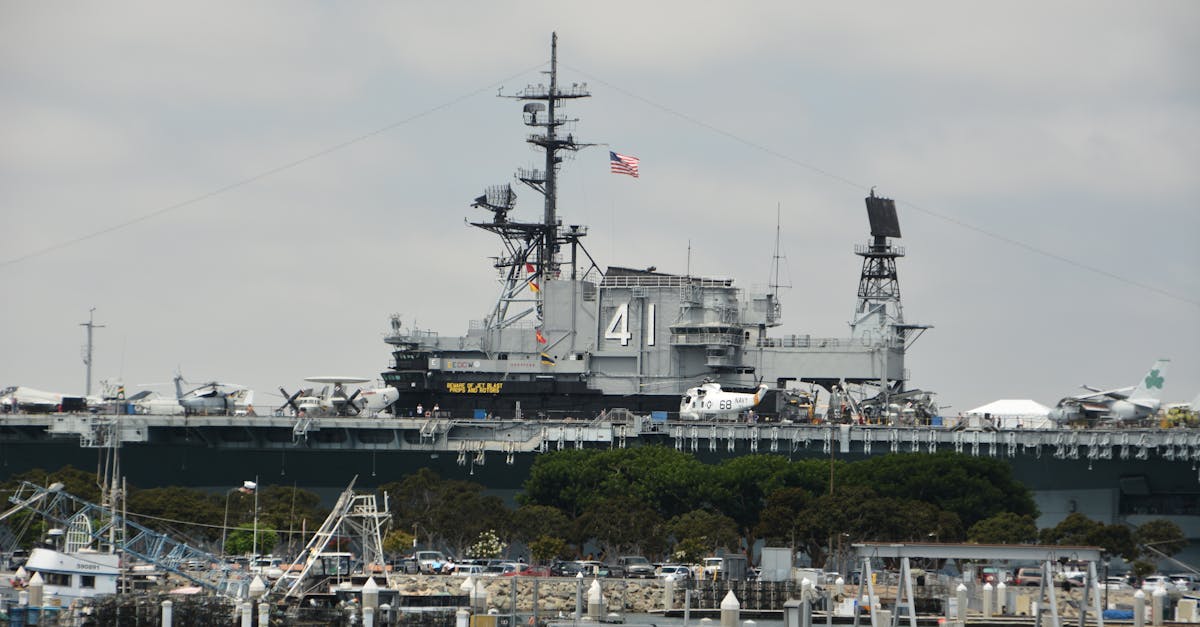
The U.S. has sent major forces to the area. Two aircraft carriers are key. The USS Abraham Lincoln group is already there with warships. The USS Gerald Ford group is en route, last tracked off West Africa. Hundreds of fighter jets, including F-35s, F-22s, and F-16s, have joined. Over 150 cargo flights brought weapons and ammo. Another 50 jets arrived in the past day. Air defense systems are in place too. All forces should be ready by mid-March.
Trump spoke Thursday at a meeting in Washington. He said a deal must be meaningful, or bad things will happen. He put the timeline at about 10 days.
"We're either going to get a deal or it's going to be unfortunate for them," Trump said. He added that 10-15 days is the maximum wait.
Vice President Vance told Fox News the Geneva talks showed some progress. But Iran has not crossed Trump's red lines. Vance said Trump might see diplomacy at its end.
White House Press Secretary Karoline Leavitt said diplomacy comes first. She noted the success of last June's strikes on nuclear sites.
"Iran would be very wise to make a deal with President Trump and with his administration," Leavitt told reporters.
Iran's Supreme Leader Ayatollah Ali Khamenei posted on X Tuesday. He shared an AI image of the Gerald Ford sunk. His message called U.S. warships dangerous but said Iran has weapons to sink them.
Timeline and Plans
Top officials told Trump strikes could start as soon as Saturday. But most see it stretching past the weekend. No final call yet. Discussions are fluid, weighing risks of war.
Iran must send a full proposal in two weeks. Last June, a similar two-week window ended with strikes three days early. Secretary of State Marco Rubio plans a trip to see Israeli Prime Minister Benjamin Netanyahu in two weeks.
Israel pushes for action soon. Two Israeli officials say their government readies for days away. They want strikes on nuclear sites, missiles, and even regime change. U.S. sources vary. Senator Lindsey Graham says weeks. A Trump advisor puts odds at 90% for action soon. That advisor said Trump grows frustrated despite some caution from aides.
Trump told Netanyahu in December at Mar-a-Lago he would back Israeli hits on Iran's missiles if no deal comes.
Iran warned pilots Thursday to avoid its south due to rocket tests. It fortifies nuclear sites as talks continue.
What This Means
A strike could be limited at first, aimed at nuclear sites to push a deal. Or it might grow big, like a full war. Insiders say it would dwarf last month's Venezuela action. U.S.-Israel teamwork is likely. Goals could include degrading Iran's nuclear work, missiles, or leadership.
Oil prices have climbed on strike fears. Regional stability hangs in balance. Iran's actions threaten neighbors. A wider fight risks drawing in more players.
Americans may feel numb to the buildup. But sources say real war looms closer than thought. Trump's style means surprise moves. He rarely backs down without wins. Advisors see the forces as real prep, not bluff.
Diplomacy has one last shot. Iran preps a response. Trump watches close. The next two weeks decide if talks save the day or bombs fall.