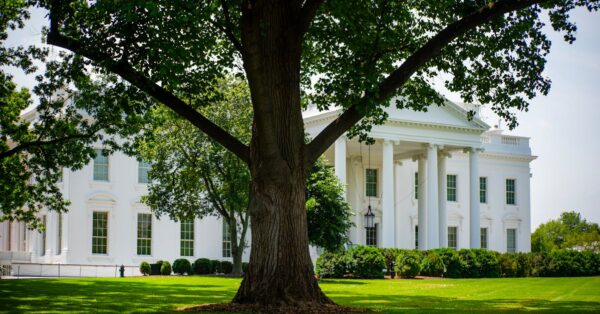
President Donald Trump announced on Friday that he will impose new tariffs on imports from the United Kingdom, Denmark, and several other European countries starting next month unless they reach a deal to hand over control of Greenland to the United States. The statement came during a White House press briefing, where Trump linked the trade measures directly to his long-standing interest in acquiring the Arctic island, which is an autonomous territory of Denmark.
Background
Trump first expressed interest in buying Greenland back in 2019 during his first term. He called it a strategic asset because of its location in the Arctic and its potential mineral resources. At the time, Danish officials dismissed the idea outright, saying Greenland is not for sale. The topic faded but came back into focus after Trump's reelection in 2024.
Over the past year, Trump has ramped up pressure on Denmark. In private talks and public remarks, he has repeated his desire for the U.S. to gain control of Greenland. U.S. lawmakers have mixed views. Some support the idea for national security reasons, pointing to Russia's growing presence in the Arctic. Others, including key figures in Congress, have distanced themselves from the notion of outright ownership.
Trade tensions between the U.S. and Europe have also grown. Since taking office again, Trump has introduced baseline tariffs on many imports, with higher rates for countries he sees as unfair traders. The UK, now outside the European Union, has faced its own set of duties on steel and cars. Denmark, as part of the EU, deals with broader reciprocal tariffs. These moves fit into Trump's broader plan to protect American workers and renegotiate global trade rules.
Greenland itself has a population of about 56,000 people, mostly Inuit, who rely on fishing and hunting. Local leaders have spoken out against U.S. ownership. They value their self-rule and worry about outside control. Trump's latest threat ties these issues together, using economic use to force talks.
Key Details
The tariffs Trump announced target a 10 percent rate on goods from the UK, Denmark, France, Germany, and others. They are set to begin in February 2027 unless a Greenland agreement is reached first. Trump said the measures would stay in place 'until such time as a Deal is reached.' He did not specify an exact end date or list every affected country, but aides confirmed the focus on major European trading partners.
Tariff Timeline and Scope
This follows a pattern of tariff actions. In April 2025, the U.S. set a 10 percent baseline on many imports. Higher reciprocal rates hit specific nations, like 15 percent on some African countries and up to 50 percent on certain steel products. Europe has seen increases on cars, aluminum, and parts. The EU responded with its own consultations on countermeasures, eyeing U.S. planes and machinery.
Denmark controls Greenland's foreign affairs and defense, but the island has its own parliament. Any deal would need approval from both. Trump has suggested the U.S. could offer billions in aid or investment in exchange. Greenlanders have mixed feelings. Some see economic benefits from closer U.S. ties, while others fear losing their culture and land rights.
U.S. officials argue Greenland's Thule Air Base, a key military site, justifies more control. Russia and China have shown interest in the region, raising concerns in Washington.
"We will not bow down to Trump's bullying tactics." – Danish Foreign Minister
European lawmakers have criticized the tariff threat. In Denmark, politicians called it aggressive and out of step with alliances like NATO. UK officials have stayed quieter but noted the strain on post-Brexit trade talks with the U.S.
What This Means
These tariffs could raise prices for American consumers on European cars, food, and machinery. UK exports like whiskey and cars might see higher costs, hurting businesses already hit by earlier duties. Denmark faces pressure on fish and drugs, key parts of its economy. Broader Europe could retaliate, leading to a trade war that slows growth on both sides of the Atlantic.
For Greenland, the stakes are high. A deal might bring U.S. money for infrastructure, but it risks local autonomy. Without one, tensions could drag on, affecting NATO unity at a time of global conflicts.
Business groups in the U.S. worry about supply chains. Auto makers with plants in Europe say tariffs disrupt parts flow. Farmers exporting to Europe fear counter-duties on soy and pork.
Talks could start soon. Trump aides have reached out to Danish counterparts, though no formal negotiations are set. Congress must approve big spending or territorial changes, adding hurdles. European unity might crack if countries cut separate deals.
The announcement comes amid other trade fights. Steel tariffs expanded last year, covering more products. China faces even steeper rates, and smaller nations navigate reciprocal hikes. Trump's strategy aims to bring jobs home but risks inflation and allied friction.
Greenland's people watch closely. Recent polls show most oppose U.S. control, favoring Denmark or full independence. Their voice could sway the outcome as pressure builds.
World leaders monitor the situation. It tests how far economic threats go in diplomacy. Past efforts to buy territory, like Alaska in 1867, succeeded under different terms. Today, with climate change opening Arctic routes, the prize feels bigger.