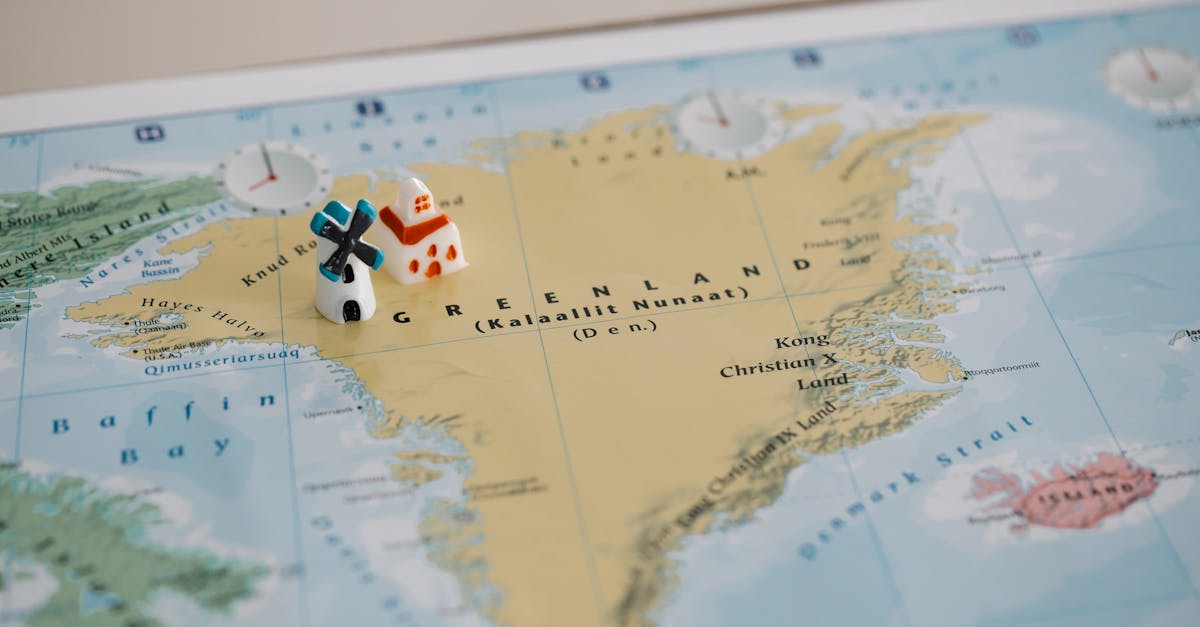
President Donald Trump has announced plans to impose tariffs on eight NATO allies who have sent military personnel to Greenland in opposition to his bid to acquire the island. The move marks an escalation in Trump's months-long campaign to gain control of the territory, which sits between North America and Europe in the Arctic.
Trump said on Saturday that Denmark, Norway, Sweden, France, Germany, the United Kingdom, the Netherlands, and Finland will face a 10% tariff on all goods shipped to the United States starting February 1. Those tariffs will increase to 25% on June 1 and remain in place until the United States is able to purchase Greenland, according to the president.
The announcement comes as Greenland and Denmark, which handles international affairs for the territory, have repeatedly rejected the idea of selling the island. Trump has previously stated he would consider military action as an option to acquire the land.
Background
Trump's interest in acquiring Greenland dates back to his first presidency in 2019, when he first publicly discussed purchasing the island. He has returned to the idea repeatedly since being elected to a second term in 2024, framing it as essential to national security and Arctic dominance.
The White House's own estimates place the cost of purchasing Greenland at approximately $700 billion. Beyond the purchase price, the United States would need to spend hundreds of billions more to develop mines, drill for oil, build roads, establish ports, and expand electrical infrastructure. Analysts estimate it would take 10 to 20 years before any significant commercial returns would materialize.
The United States would also inherit Denmark's roughly $700 million in annual subsidies used to fund education, healthcare, and other services for Greenland's 56,000 residents.
Denmark's Foreign Minister Lars Løkke Rasmussen has been direct about the situation.
"It's clear that the president has this wish of conquering over Greenland," Rasmussen told reporters after meeting with Vice President JD Vance and Secretary of State Marco Rubio.
Rasmussen added that the increased military presence Denmark and its allies have deployed to Greenland is intended to enhance security in the Arctic region, not to oppose the United States.
Key Details
The Military Presence
Several NATO countries have recently increased their military presence in Greenland, which prompted Trump's tariff announcement. These deployments have been framed by the countries involved as routine Arctic security measures rather than a response to Trump's acquisition plans. However, Trump has interpreted the troop movements as opposition to his goals.
Public Opposition in Greenland
Greenlanders have made clear their opposition to becoming part of the United States. Large protests have taken place on the island, with residents conducting a "Stop Trump" march through the capital city of Nuuk on Saturday. Leaders and citizens have repeatedly stated that Greenland is not for sale at any price.
Trump's Negotiation Strategy
Secretary of State Marco Rubio has focused on pursuing a negotiated purchase, an approach to international diplomacy that has not been used since World War II. Denmark and Greenland have rejected this approach multiple times.
Trump has indicated he is willing to pursue the acquisition through force if negotiations fail.
"We are going to do something on Greenland whether they like it or not," Trump told reporters. "I would like to make a deal and do it the easy way. But, if we don't make a deal, we're going to do it the hard way."
What This Means
The tariff announcement represents a significant shift in how Trump is pursuing his Greenland ambitions. Rather than relying solely on diplomatic pressure or military posturing, he is now using economic tools to pressure allied nations into supporting his position.
Economic analysts have questioned the business case for acquiring Greenland. Despite the island's natural resources, including rare earth minerals and potential oil reserves, the costs of development far outweigh the likely benefits for decades. Many specialists argue the United States already has sufficient military access to Greenland through existing treaties and agreements without needing to purchase or annex the territory.
The tariff threat also risks fracturing the NATO alliance at a time when unity is considered important for global security. Several NATO members have already indicated they will respond to the tariffs with their own trade measures. France, Germany, and other European nations are considering retaliatory actions.
The dispute highlights broader tensions between Trump's nationalist approach to foreign policy and the traditional alliance structure that has underpinned Western security since World War II. Whether the tariffs will pressure Denmark and Greenland to reconsider their position remains unclear, as both have shown no signs of wavering in their refusal to sell the territory.