Police leaders in Minnesota's Twin Cities say federal Immigration and Customs Enforcement agents have stopped off-duty officers, demanding proof of citizenship and in one case drawing guns. These claims came during a press conference on Tuesday where chiefs from Minneapolis, St. Paul, Brooklyn Park, and Hennepin County raised alarms about civil rights issues amid a large-scale deportation operation. The incidents involve officers who are U.S. citizens and people of color, they said, as tensions rise after a fatal shooting by an ICE agent earlier this month.
Background
The trouble started last month when the Department of Homeland Security rolled out Operation Metro Surge in the Minneapolis-St. Paul area. This push sent thousands of federal agents into the streets to round up people in the country illegally. By Monday, the agency reported 10,000 arrests tied to the operation.
Protests broke out right away. Local leaders and residents pushed back against what they called heavy-handed tactics. Things got worse on January 7 when an ICE agent shot and killed Renee Good, a 37-year-old mother, in Minneapolis. That death lit a fire under the backlash, with marches filling the streets and calls for federal agents to leave.
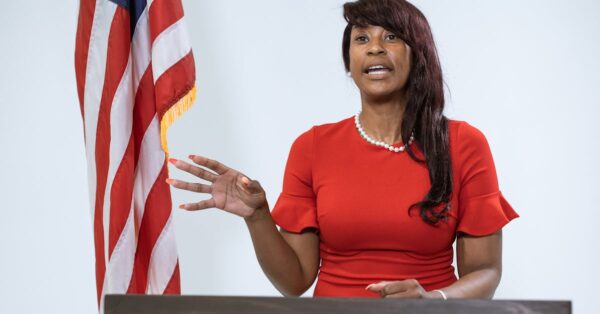
Twin Cities police have long worked to build trust with communities, especially after years of strain from other issues. Now, chiefs say that effort is at risk. They held a joint press conference on Tuesday to lay out their worries. Three main leaders spoke: Brooklyn Park Police Chief Mark Bruley, Hennepin County Sheriff Dawanna Witt, and St. Paul Police Chief Axel Henry. They got reports from community members and their own officers about stops that seemed based on skin color, not crime.
The area has a big mix of people, including many immigrants and longtime Black and Brown residents. Federal agents flooded in with about 3,000 personnel from ICE, Border Patrol, and other units. Local police stayed out of immigration work under long-standing rules, but they now see overlaps hurting their daily jobs.
Key Details
Chief Bruley led off with stories from his own department. He said off-duty officers started reporting the same problems as regular folks on the street: sudden stops, demands for ID, and rough treatment.
Officer Stopped and Surrounded
In one case, an off-duty Brooklyn Park officer was driving when ICE agents boxed her car in with their vehicles. They demanded her paperwork, even though she is a U.S. citizen with no need to carry it off duty. Bruley said the agents had their guns out.
"When she became concerned about the rhetoric and the way she was being treated, she pulled out her phone. In an attempt to record the incident, the phone was knocked out of her hands, preventing her from recording it." – Brooklyn Park Police Chief Mark Bruley
The officer told them who she was—a police officer—and the agents left without another word. Bruley stressed this officer is a person of color, like every officer who reported such a stop. He said it was not just one event. Other chiefs backed him up, saying their off-duty staff faced similar run-ins.
Sheriff Witt talked about wider complaints flooding in. She said people are getting pulled over or questioned just for how they look.
"People in the area are being stopped, questioned and harassed solely because of the color of their skin. This is not OK now, and it has never been OK, and now that same discrimination is also spilling into the law enforcement community." – Hennepin County Sheriff Dawanna Witt
St. Paul Chief Henry joined in, calling for better oversight of the federal teams. They all made clear these issues come from a small group of agents, not the whole operation. Bruley noted they support immigration enforcement for safety reasons, but the methods matter.
The chiefs pointed to endless calls from citizens about rights violations. They worry these stops erode trust that police have spent years building. That trust helps solve crimes and keep streets safe, they said.
Federal side pushed back. A Department of Homeland Security spokesperson said they found no record of agents stopping a police officer. They asked for names to check the claims. Border Patrol Commander Gregory Bovino, at his own event Tuesday, defended the work.
He said operations target real threats to the community and follow the law. Bovino called the tactics necessary, legal, ethical, and moral. He did not address the officer stories directly.
What This Means
These reports from police chiefs put a spotlight on cracks between local and federal law enforcement. Twin Cities departments handle most street-level policing, but federal immigration raids change that dynamic. Officers now field questions from rattled residents, which pulls them from other duties.
Trust issues hit hard in diverse neighborhoods. If people of color—including cops—feel targeted, they may hesitate to call police for help. That can lead to unreported crimes and unsafe spots. Chiefs said the fragile bond with communities is breaking under the pressure.
The operation keeps going, with agents focused on their deportation goals. Local leaders called for accountability, like better training and checks on who gets sent to the streets. They question if all 3,000 agents have the same rules and prep.
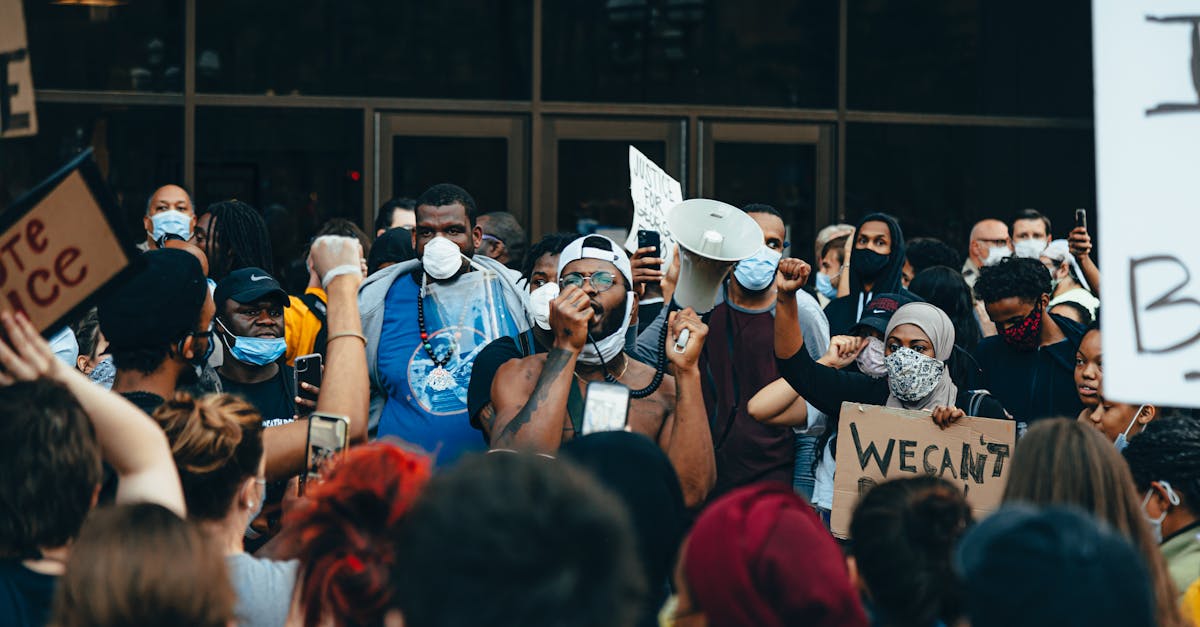
Protests show no sign of stopping. After Renee Good's death, crowds have marched with signs saying 'ICE out now.' Injuries happened during some clashes. The shooting is under review, but it fueled the anger.
Police stress they back border security. Bruley said no one there wants to end ICE or skip enforcement. The point is doing it right, without harming citizens or officers. Federal agencies say they will keep looking into the complaints, but operations roll on.
For now, Twin Cities streets feel the strain. Officers patrol amid protests and federal sweeps. Residents watch closely, weighing who to trust. The press conference drew crowds and media, signaling this story has legs. More talks between local and federal teams could come, but no dates are set.
Broader effects touch national debates on immigration raids. Places like Minnesota, with strong immigrant roots, test how federal pushes play out in real time. Chiefs hope their voices lead to changes before bigger problems erupt.