The US Department of Justice filed an appeal on Monday against a federal judge's order in Minneapolis that bars Immigration and Customs Enforcement agents from using pepper spray, tear gas, or other nonlethal munitions against peaceful protesters, or from arresting them. The ruling stems from protests against Operation Metro Surge, a large-scale immigration enforcement push in the Twin Cities that began in December 2025 and has led to clashes between federal agents and local residents.
Background
Operation Metro Surge started in late December 2025 when thousands of Department of Homeland Security agents, including ICE and Customs and Border Protection officers, arrived in Minneapolis and St. Paul. The goal was to carry out immigration raids and deportations, focusing on claims of fraud in the area's Somali community. Agents, often masked and heavily armed, conducted stops and arrests across the cities.
Tensions boiled over on January 7, 2026, when ICE agent Jonathan Ross shot and killed 37-year-old Renee Good, a local mother. Federal officials said Good tried to run over officers with her car. Local leaders, including Minneapolis police, disputed that account, saying the situation did not call for deadly force. The shooting sparked daily protests outside federal buildings and raid sites.
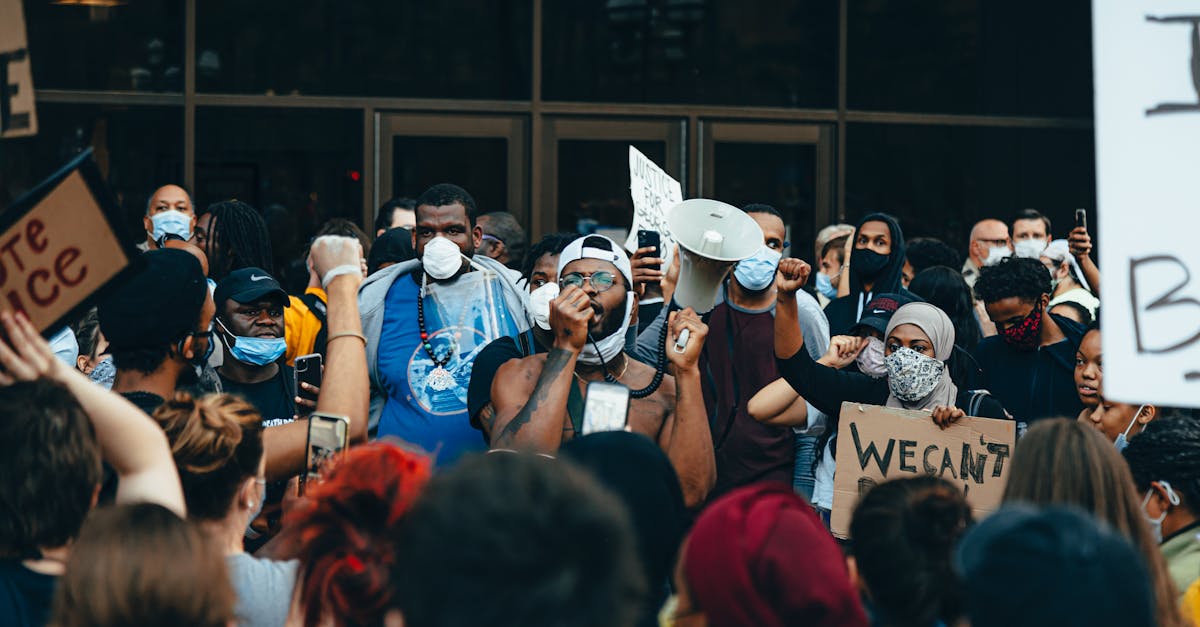
Protesters gathered to oppose the raids, which they called aggressive and terrorizing. Federal agents responded with pepper balls, chemical irritants, and arrests. Schools locked down, businesses shut down, and local police shifted resources to manage the fallout. By early January, Minneapolis police had logged over 3,000 hours of overtime, costing taxpayers more than $2 million in just a few days.
In response, Minnesota Attorney General Keith Ellison, along with Minneapolis and St. Paul, filed a lawsuit against the Department of Homeland Security. They argued the operation broke the First and Tenth Amendments, violated equal sovereignty between states and the federal government, and went against the Administrative Procedure Act. The suit seeks to end the surge and block unlawful agent actions like warrantless arrests and excessive force.
Separately, six activists, backed by the American Civil Liberties Union of Minnesota, sued over civil rights violations during protests. They claimed agents targeted observers and peaceful demonstrators.
Key Details
US District Judge Katherine Menendez issued the temporary restraining order last week. It stops federal agents from using force like pepper spray or tear gas on peaceful protesters. Agents also cannot arrest those not interfering with operations. The judge gave the government 72 hours to notify all officers of the rules.
The Department of Justice acted quickly, filing a notice of appeal to the Eighth Circuit Court of Appeals on Monday afternoon. This keeps the order in place for now but signals a fight ahead.
DHS Assistant Secretary Tricia McLaughlin commented after the ruling.
“DHS is taking appropriate and constitutional measures to uphold the rule of law and protect our officers and the public from dangerous rioters.” – Tricia McLaughlin, DHS Assistant Secretary
Minnesota leaders pushed back hard. Attorney General Ellison held a news conference to announce the state lawsuit.
“The unlawful deployment of thousands of armed, masked, and poorly trained federal agents is hurting Minnesota. People are being racially profiled, harassed, terrorized, and assaulted. Schools have gone into lockdown. Businesses have been forced to close. Minnesota police are spending countless hours dealing with the chaos ICE is causing. This federal invasion of the Twin Cities has to stop.” – Keith Ellison, Minnesota Attorney General
Minneapolis Mayor Jacob Frey added:
“Minneapolis didn’t ask for this operation, but we’re paying the price. When federal actions undermine public safety, harm our neighbors, and violate constitutional rights, we have a responsibility to act.” – Jacob Frey, Minneapolis Mayor
Ongoing Tensions and Military Readiness
Clashes continue. On January 13, agents used chemical irritants on protesters in south Minneapolis. One man faces charges for allegedly stealing a rifle from an FBI vehicle during a protest. The Justice Department is also probing a church disruption in St. Paul as a possible FACE Act violation.
About 1,500 active-duty soldiers wait in Alaska for a possible deployment to Minneapolis. No decision has come yet. The White House called the judge's order absurd and said agents acted lawfully to protect operations.
Federal scrutiny extends to state leaders. The Justice Department looks into Governor Tim Walz and Mayor Frey for possibly blocking agents.
What This Means
The appeal could lift the restrictions soon, letting agents use more tactics against protesters. If the Eighth Circuit sides with the government, Operation Metro Surge might expand without local limits. Protests would face tougher responses, raising risks of more violence.
A win for Minnesota's lawsuit could halt the entire operation. It would pull back thousands of agents and end raids, easing strain on local resources. Schools, businesses, and police could return to normal.
The shooting investigation continues. The Justice Department probes agent Ross's actions. Local doubts persist about the federal account, fueling anger.
Both sides dig in. Federal officials say the operation targets illegal activity and must go on. State and city leaders see it as an overreach that harms communities. Court battles will shape enforcement in Minnesota and set examples elsewhere.
Protests show no sign of stopping. Agents keep raiding, and crowds keep gathering. The appeal adds fuel, with daily standoffs likely until higher courts rule. Local overtime costs mount, and public safety stays stretched. Minnesota's leaders call for an end to what they term a federal invasion. Federal responses stress law and order amid what they call riots.