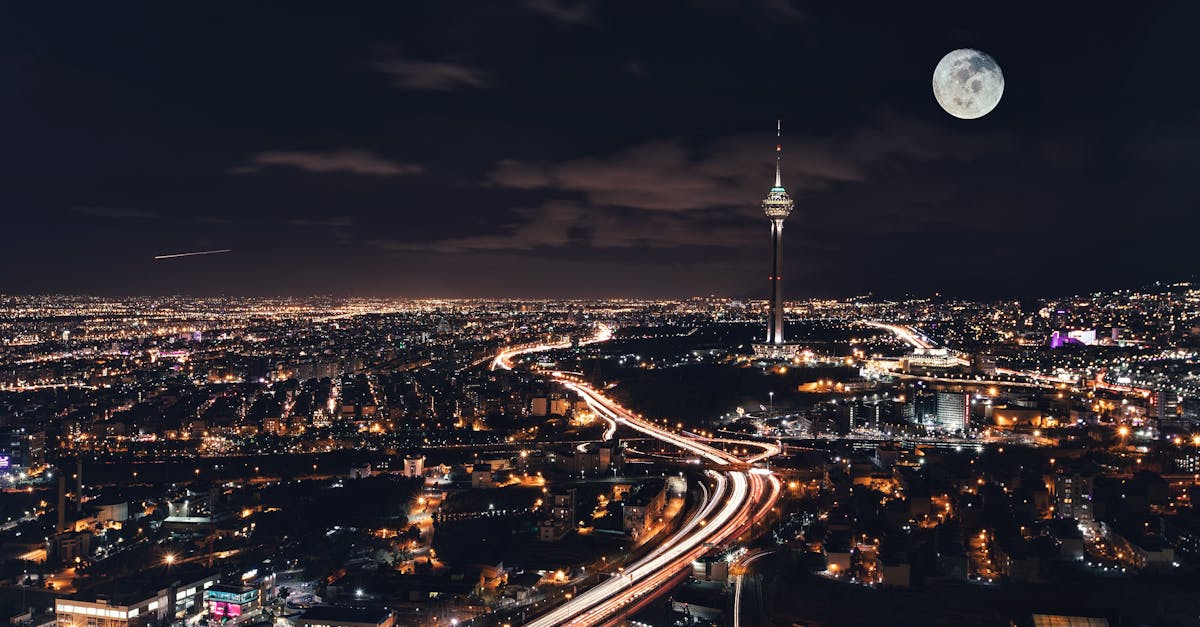
Explosions shook Tehran and other Iranian cities on Saturday as the United States and Israel launched joint air and sea strikes against military sites. The attacks, which hit the capital and places like Isfahan, Qom, Karaj, and Kermanshah, came after months of tension over Iran's nuclear work and missile program. President Donald Trump said the goal is to destroy Iran's ability to build nuclear weapons, curb its missiles, and push for a new government. It's the biggest direct US action against Iran in years.
Key Takeaways
- US and Israeli forces struck Tehran, including areas near the supreme leader's office and presidential palace, along with military bases in several cities.
- Residents in Tehran panicked, rushing home from streets and schools as kids fled classrooms.
- Trump urged Iran's Revolutionary Guard members to surrender for immunity, warning of more strikes if they don't.
- Iran faces internet blackouts and vows a strong response.
Background
Tensions built for months before these US strikes on Iran. Back in January, protests filled Iranian streets against the government. Security forces cracked down hard. Reports put the death toll anywhere from 3,000 to 32,000, depending on who you ask. The government said 3,117 died. Human rights groups pushed that higher. President Trump backed the protesters publicly. He called for regime change as the best outcome.
By late January, Trump sent a big US naval group to the Middle East. That included carriers like the USS Abraham Lincoln and USS Gerald R. Ford, plus destroyers. Officials laid out demands: Iran must stop enriching uranium forever, limit its missiles, and quit aiding groups like Hamas, Hezbollah, and the Houthis. Iran didn't budge.
February brought more heat. Trump said in speeches that Iran was restarting nuclear efforts and building better missiles that could hit the US, Europe, or American bases. On February 13, he flat-out said changing the regime would help everyone. US military planners talked about long campaigns, not quick hits. They eyed not just nuclear sites but government buildings and security setups too. Then came Trump's State of the Union on February 24. He called Iran's moves sinister and said the US stood ready to act.
Israel watched close. Their defense minister, Israel Katz, had warned of preemptive moves. The strikes happened just before the Jewish holiday of Purim, which some see as symbolic. For weeks, everyone knew something big was coming. And today, it did.
Key Details
The attacks started early Saturday. Explosions lit up Tehran first. Seven missiles slammed into a key district where Supreme Leader Ali Khamenei's office sits, near the presidential palace and National Security Council. Israeli officials called it a preemptive hit to knock out threats. US forces joined in, coordinating the whole thing. Strikes spread fast to Isfahan, Qom, Karaj, Kermanshah, and Bushehr. Military bases took the brunt. Thousands of Revolutionary Guard troops died or got hurt, sources say. In Bushehr, the port got hit, but it's not clear if the nuclear reactor there was touched.
Panic Grips Tehran
Streets emptied quick. People ran home to hunker down. Schools sent kids pouring out, scared and crying. One mother grabbed her son from class, heart pounding. Traffic jammed as families fled. Sirens wailed. Then communications went dark. Phones cut out. Internet blacked out across the city, Netblocks reported. Power flickered in spots. Folks huddled in basements, waiting for the next boom.
But not everyone hid. Fury boiled over. Crowds gathered in places, yelling against the regime. Some cheered the strikes, hoping they'd end years of hardship. Others burned tires, smashed windows. Police moved in fast. Clashes broke out. Iran's leaders promised crushing revenge. Tehran streets mixed chaos with anger. Kids clutched parents. Elders prayed.
President Trump spoke soon after. He said the strikes aim to smash Iran's missiles, stop nukes, and topple the rulers. He told Guard members: lay down arms, get immunity. Refuse? Certain death awaits. Iranian state media showed damaged sites but downplayed the harm. They vowed retaliation from land, sea, air.
Outside Iran, ripples spread. Two Iraqi fighters died in a strike south of Baghdad. Three more hurt. The operation has code names: Roaring Lion for Israel, Operation Shield of Judah and Epic Fury for the US. Timing matters. Purim starts soon. Symbolism runs deep.
"This is our preemptive strike to remove immediate dangers to Israel." – Israel Katz, Defense Minister
Reports say Guard bases crumbled. Senior officers gone. The port in Bushehr smoked. Tehran neighborhoods near power centers lay in rubble. Communications still spotty hours later. Families search for loved ones. Hospitals fill up.
What This Means
These US strikes on Iran change everything in the region. Iran can't ignore them. Their military took heavy hits. Nuclear dreams? Set back years, maybe. Missiles wrecked. Proxies like Hezbollah might scramble without cash and gear. Trump pushes regime change hard. Protests could flare again, bigger this time. Or crackdowns worsen.
The US commits big now. Carriers offshore. More strikes likely. Weeks of action planned. Allies watch. Europe urges talks, but Trump wants results. Oil prices jump already. Shipping lanes tense. Global markets shake. For Iranians, it's raw. Panic yesterday. Fury today. Some hope tomorrow's different. Kids back in school? Families safe? Too soon to tell.
Broader fallout looms. Iraq feels it. Protests there too. Pakistan-Afghanistan border heats up, as one report notes. Israel's safer short-term. But retaliation risks high. Missiles could fly back. US bases targets. The Middle East holds breath.
Regime hangs by thread. Trump offered Guardsmen a way out. Will they take it? Streets simmer. Internet down keeps info scarce. But word spreads. Change whispers in the air. Or war deepens.
Frequently Asked Questions
What cities did the US and Israel strike in Iran?
Tehran, Isfahan, Qom, Karaj, Kermanshah, and Bushehr saw the main hits. Military sites and government areas took damage.
Why did Trump order these strikes now?
Trump said Iran restarted nuclear work and built advanced missiles. He wants to end those threats and push for regime change.
What's the situation in Tehran right now?
Panic rules. People shelter at home. Internet's out. Explosions reported. Protests mix with fear.
Frequently Asked Questions
What cities did the US and Israel strike in Iran?
Tehran, Isfahan, Qom, Karaj, Kermanshah, and Bushehr saw the main hits. Military sites and government areas took damage.
Why did Trump order these strikes now?
Trump said Iran restarted nuclear work and built advanced missiles. He wants to end those threats and push for regime change.
What’s the situation in Tehran right now?
Panic rules. People shelter at home. Internet’s out. Explosions reported. Protests mix with fear.