

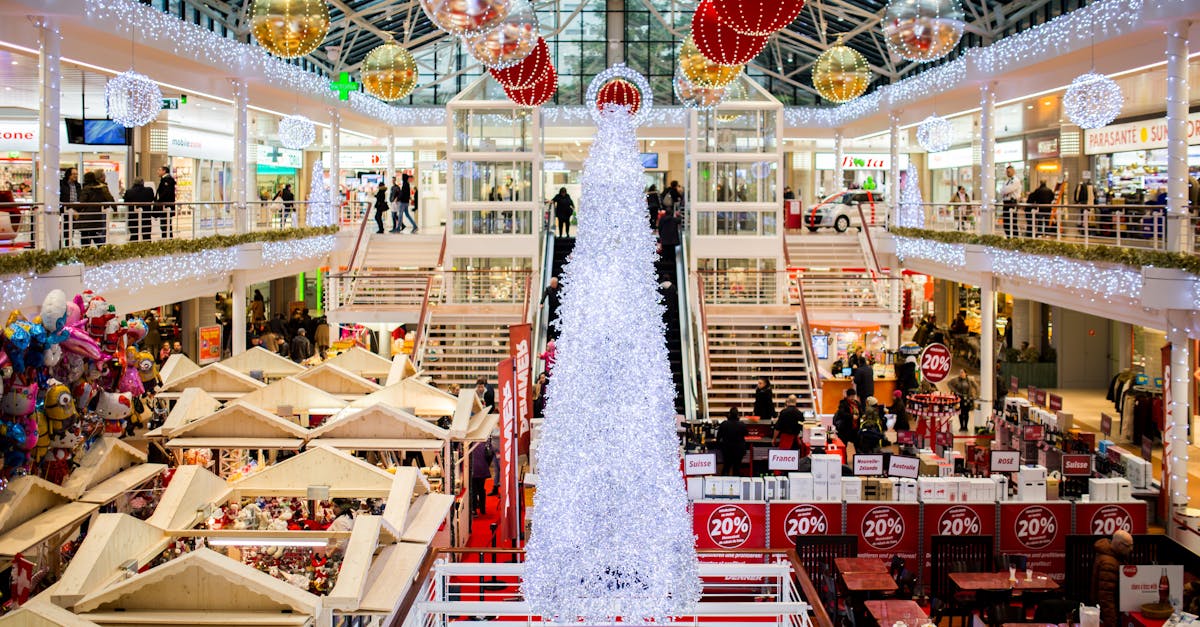
US retail sales came to a standstill in December 2025, totaling $735 billion with no change from the month before. This figure missed economist expectations of a 0.4 percent increase and followed a 0.6 percent jump in November. The flat results point to consumers holding back during what should have been a busy holiday period, as shoppers focused more on basics than big purchases.
Background
Retail sales track how much money Americans spend at stores and food services each month. The US Census Bureau puts out these numbers about two weeks after the month ends. For December 2025, the report landed on February 10, 2026, after some delays from a federal shutdown in late 2025.
Over the year, sales added up to a 3.7 percent rise from 2024. But the pace slowed in the final months. In September, sales grew just 0.2 percent, down from an early estimate of 0.4 percent. October saw zero growth, hurt by a drop in car sales after federal tax credits for electric vehicles ended. November bounced back with that 0.6 percent gain as holiday shopping kicked off.
Consumers drove the US economy through much of 2025, with spending making up over two-thirds of gross domestic product. High tariffs on imports pushed people to buy goods earlier in the year, front-loading purchases in spring and summer. By year's end, many households appeared to pull back, possibly to offset those earlier outlays or due to worries about jobs and prices.
Year-over-year, December sales rose 2.4 percent from December 2024, cooling from November's stronger pace. The fourth quarter overall grew 3.0 percent from the year before, but that trailed earlier quarters. Middle- and lower-income families faced tougher times, with wealthier ones buoyed by stock gains and home values. Shoppers hunted bargains early, leaving less for December.
Key Details
Headline retail sales showed 0.0 percent growth month-over-month, against hopes for 0.4 percent. Sales excluding autos also sat at 0.0 percent, missing a 0.3 percent forecast. Prior month figures for November got revised down slightly, from 0.5 percent to 0.4 percent ex-autos.
Core measures told a similar story. Sales excluding autos and gas held flat at 0.0 percent, versus 0.4 percent expected. The control group, which strips out volatile items like cars, gas, and building supplies, actually fell 0.1 percent against a predicted 0.4 percent rise. This group feeds directly into GDP estimates and signals underlying trends.
Several categories posted drops. Auto dealers saw sales dip 0.2 percent. Furniture stores took a bigger hit, down 0.9 percent. Electronics outlets and clothing stores also declined. Restaurant and bar sales edged down 0.1 percent, a key sign since people eat out more when feeling good about their finances.
Bright Spots Amid the Slowdown
Not every area stalled. Grocery stores held steady as people stuck to essentials. Home centers like those selling tools and building supplies bucked the trend with a 1.2 percent increase. Nonstore retailers, mainly online sales, grew 5.3 percent year-over-year. Food services rose 4.7 percent from last December overall.
Total sales for October through December came in up 3.0 percent from the prior year, but monthly breakdowns showed the weakness building. November's strength gave way to December's pause, with revisions lowering prior estimates.
"Consumer spending has finally caught up with consumer sentiment, and not in a good way," said Chris Zaccarelli, chief investment officer at Northlight Asset Management. "For months, households kept spending despite cost worries, but now they're stepping back."
Zaccarelli noted the labor market's role, wondering if more cash from new policies might help or if this hints at bigger troubles ahead.
What This Means
Flat retail sales raise questions about consumer strength heading into 2026. Spending powers the economy, so any lasting slowdown could drag on growth. Confidence hit lows not seen since 2014 by early this year, tied to job market softness and slow income gains.
Households stretched budgets in 2025 by saving less to keep up spending. Now, with real incomes barely moving, that may not hold. Auto sales trended flat to down, food services dipped, and the quarter looked weak overall.
Economists see consumers tiring after a solid run. Early holiday shopping filled carts before Black Friday and Christmas, leaving December light. Tariffs shifted buying habits, with front-loaded purchases easing pressure on retailers later.
Restaurant trends matter most. A slight drop suggests caution, though yearly gains stayed solid at 4.5 percent. If jobs hold and policies like tax cuts add money to pockets, spending could rebound. Otherwise, this flat month might signal the start of reduced activity across stores.
Retailers face a mixed outlook. Online growth continues, but brick-and-mortar spots in furniture, electronics, and autos struggle. Grocery and home improvement hold firm, showing priorities on needs over wants. The full year grew 3.8 percent unadjusted, decent but below average, setting a cautious tone for the new year.
Markets took the news in stride on February 10, with major indexes edging up slightly. But eyes stay on coming data for signs of whether December was a blip or the new normal.