Venezuela's interim government has released several American citizens from prison. This happened after a US military operation captured former President Nicolas Maduro on January 3, 2026, in Caracas. The releases mark the first time Americans have been freed since Maduro's ouster. US officials see it as progress in talks between the two countries. The action fits into a larger release of political prisoners in Venezuela.
Background
Nicolas Maduro ruled Venezuela for over a decade. His government faced US sanctions over claims of human rights abuses and drug trafficking. Tensions grew as dozens of Americans and opposition figures ended up in Venezuelan jails. Many were held without trial on charges like spying or plotting against the state.
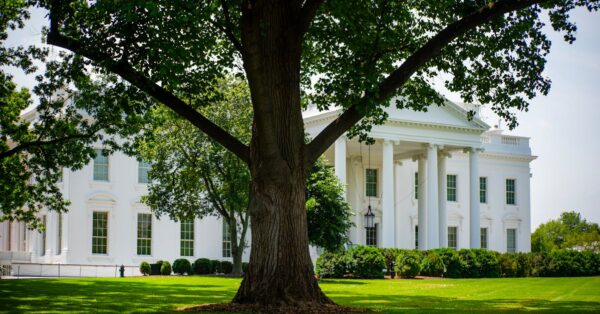
On January 3, 2026, US forces carried out an operation in Caracas. They captured Maduro and flew him to New York to face federal charges. His wife and close aides were also detained. President Donald Trump said the US would manage Venezuela for a time to ensure a safe handover to new leaders. Delcy Rodriguez, Maduro's former vice president, was sworn in as interim leader. She now heads the government with support from the National Assembly.
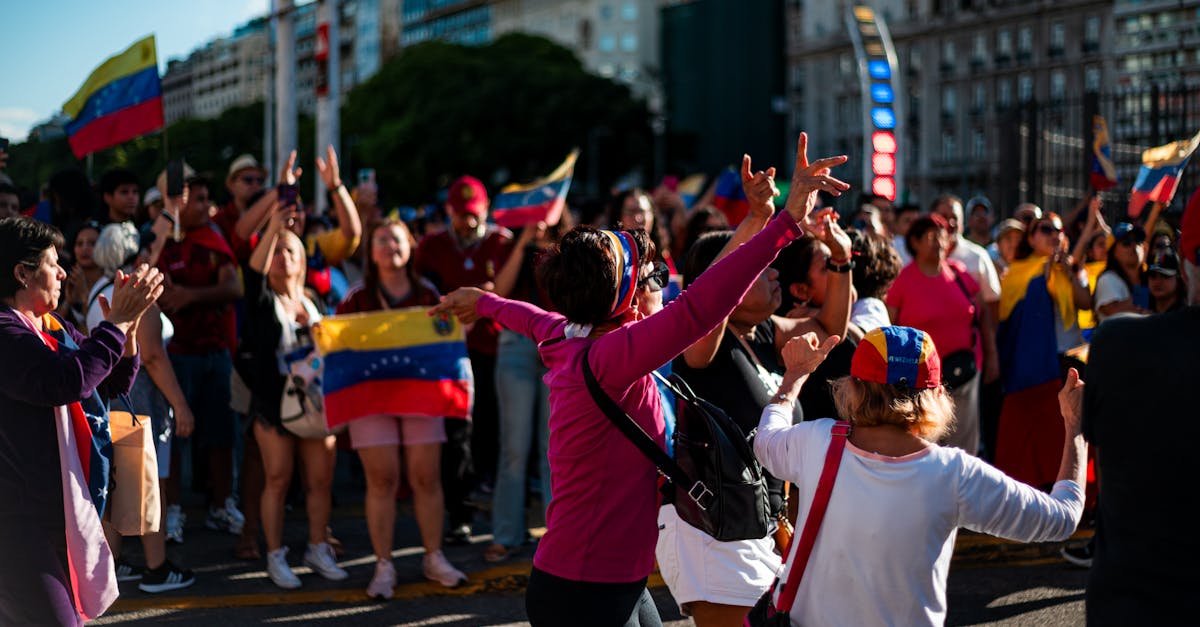
Venezuelans took to the streets after the news broke. Crowds gathered on borders and in cities, cheering the end of Maduro's time in power. Reports from the border with Colombia showed large rallies. People waved flags and called for freedom. The US embassy in Caracas issued warnings right away. It told Americans to leave the country due to risks from armed groups on roads and shaky security.
Trump spoke out soon after. He posted on social media that Venezuela had begun freeing political prisoners in a big way. He thanked the US action for making it possible. The interim government reported freeing 116 prisoners so far. A non-government group called Justicia, Encuentro y Perdón checked and verified about 70 of them. National Assembly leader Jorge Rodriguez said more releases would come.
This all comes against a backdrop of economic collapse in Venezuela. Oil money once kept the country afloat, but sanctions and mismanagement led to shortages of food and medicine. Millions fled to places like Colombia and the US. Maduro's arrest has sparked hope but also uncertainty about what comes next.
Key Details
The US State Department confirmed the releases of multiple Americans on January 13, 2026. A team from the department went to Venezuela to help with the process. Officials did not name the people or say exactly how many were freed. They focused on the fact that it happened at all.
"We welcome the release of detained Americans in Venezuela. This is an important step in the right direction by the interim authorities." – State Department spokesman
The Americans had been held in places like El Helicoide, a known prison for political cases. Families back home had pushed for their freedom for years. Some were business people caught in the middle of sanctions. Others were aid workers or journalists accused of wrongdoings by Maduro's team.
Prisoner Release Numbers
The interim government claims 116 people are out of jail. But verification lags behind. The NGO Justicia, Encuentro y Perdón confirmed 70 so far. They work with families and officials to track cases. Rodriguez promised to keep the releases going. He spoke to reporters about ongoing efforts to clear the prisons.
Trump's team has taken other steps too. They signed an order to protect Venezuelan oil money held in US banks. This aims to help the new government get funds for basics like food and power. The Justice Department released papers explaining the legal side of the Maduro capture. It cited drug charges and threats to US security.
Security stays a big worry. Armed groups linked to Maduro's old allies roam some areas. The US alert stressed that help for citizens is limited now. Embassy staff pulled back after the operation.
What This Means
The releases ease some pressure between the US and Venezuela. They show the interim leaders want to work with Washington. Trump praised the cooperation. His press team said Rodriguez and her group have been helpful, especially on energy deals. One deal last week let Venezuela sell oil without full sanctions.
But big questions remain. No one knows when elections might happen. White House staff said it's too early to set a date. Trump wants a smooth shift, but he has not picked full confidence in Rodriguez yet. He expects more teamwork ahead.
For the Americans freed, it means going home. Families can reunite after long waits. It sets a tone for other detainees. Thousands of Venezuelans still sit in cells. Their cases draw eyes from human rights groups worldwide.
The US keeps pushing on regional issues. Trump warned Cuba and others about ties to Maduro. He claimed Cuban agents helping Maduro suffered losses in the raid. Cuba pushed back hard. Its leaders said they act on their own and face no threats. Colombia's president talked with Trump and plans a White House visit. Tensions there have cooled.
Oil plays a key role. Venezuela holds huge reserves. Freeing up revenue could steady the economy. Trump's order on bank funds helps that. Seizure warrants target ships in the old oil trade under Maduro. This cuts off money to his supporters.
Street celebrations continue in parts of Venezuela. People hope for real change. But armed risks and no clear election path keep things tense. The US role in running things for now raises talks of influence. Interim leaders balance local demands with American pressure.
Families of remaining prisoners watch closely. They want the releases to speed up. US officials plan more trips to check on cases. The State Department stays in touch with the interim team daily.
Broader effects hit neighbors. Colombia deals with border flows. Oil markets watch for supply shifts. Human rights watchers track if promises hold. The Maduro trial in New York will draw global eyes. Charges include trafficking and corruption. His court date looms soon.
Trump's moves signal a tough line on Latin America. He links Venezuela to bigger fights against drugs and bad actors. Interim progress on prisoners fits his push for quick wins. Yet full stability takes time. Daily life in Venezuela hangs on these steps.