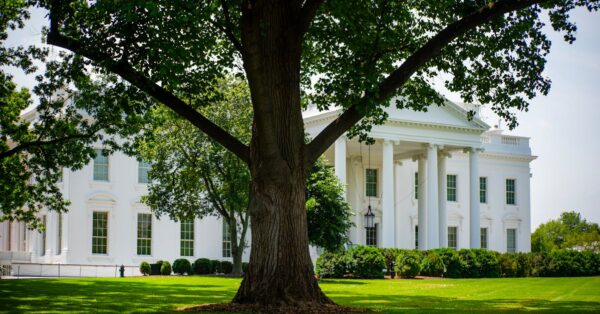

President Donald Trump met with Venezuelan opposition leader Maria Corina Machado at the White House on Thursday. During the closed-door session, Machado presented Trump with her Nobel Peace Prize medal, which she won last year for her efforts to promote democracy in Venezuela. The gesture drew on history between the two nations, and Trump later described the meeting as going great.
Background
Maria Corina Machado has long fought against the government of Nicolas Maduro in Venezuela. She rose to prominence as an opposition figure, pushing for democratic changes in a country marked by years of political unrest and economic hardship. In October 2025, the Nobel Committee awarded her the Peace Prize for her work in advancing human rights and steering Venezuela away from dictatorship. Right after the announcement, she dedicated the prize to the Venezuelan people and to Trump, crediting his administration's actions.
The US has played a key role in recent Venezuelan events. On January 3, American forces captured Maduro, who now faces drug trafficking charges in New York. He has pleaded not guilty. This operation shifted the power dynamics in Caracas. Acting President Delcy Rodriguez, once a close Maduro ally, has taken a leading role. Trump spoke with her by phone on Wednesday, calling it a great conversation. He described her as a terrific person and noted they discussed many things.
Machado's visit comes as the US balances support for opposition groups with practical dealings in Venezuela. Trump has said elections there are a goal, but no timeline has been set. The White House views the current setup as a way to prevent collapse. Rodriguez recently freed several American prisoners, seen as a step toward better ties with Washington.
Trump has expressed interest in the Nobel Peace Prize since returning to office. His team criticized the committee's choice of Machado, saying it favored politics over real peace efforts. The Nobel Institute made clear that prizes cannot be shared, transferred, or revoked once awarded.
Key Details
The meeting took place behind closed doors, with few immediate details from the White House. As Machado left, she spoke to reporters about the medal presentation. She connected it to an event from 200 years ago, when General Lafayette gave Simon Bolivar a medal featuring George Washington's face. Bolivar, who freed Venezuela and other Latin American nations from Spanish rule, kept that medal close, even wearing it in portraits.
"I presented the president of the United States the medal, the Nobel Peace Prize… 200 years ago, General Lafayette gave Simon Bolivar a medal with George Washington’s face on it. And now, the people of Bolivar are giving back to the heir of Washington a medal of a Nobel Peace Prize."
— Maria Corina Machado, to reporters outside the White House
Machado praised Trump's grasp of Venezuela's issues. She said he showed clear understanding of the situation, deep knowledge, and real concern for the suffering of her people. She assured him that Venezuelans stand united.
Trump briefly addressed the meeting when asked by a reporter. He said it went great. White House press secretary Karoline Leavitt later confirmed Trump's view of Machado has not shifted. He has called her a very nice woman but said she lacks broad support and respect inside Venezuela. This assessment comes from on-the-ground reports and advice from his national security team.
The Medal and Its Meaning
Machado first floated the idea of sharing her prize with Trump in a Fox News interview last week. She called his role in Maduro's capture historic and a big step toward democracy. The physical handover happened Thursday. It remains unclear if Trump formally accepted the medal, as the Nobel rules prohibit transfers. Machado did not elaborate further on the private talks.
Trump's approach to Venezuela has evolved. Early threats to Rodriguez softened into cooperation. He canceled planned military actions after prisoner releases but kept US ships nearby for security. The opposition, including Machado, is seen as the true winner of Venezuela's July 2024 presidential vote, but power stays with Rodriguez for now.
What This Means
The medal presentation highlights shifting alliances in Venezuelan politics. Machado's move shows her view of Trump as a champion of her cause, tying current events to shared history of fighting tyranny. It also spotlights Trump's influence, even as he questions her leadership potential.
For Venezuela, stability hangs in balance. US engagement with Rodriguez suggests a preference for a working partner over full opposition control right now. Prisoner releases and phone calls point to thawing relations, but demands from Washington continue. Elections remain a distant hope, with the White House stressing realism over quick change.
Trump's Nobel interest adds another layer. Accepting praise from a winner, even symbolically, feeds into that narrative. Machado's dedication and gift keep her in the spotlight, though her path to power looks narrow. The people of Venezuela watch as outside powers shape their future, with freedom and democracy still central goals.
This encounter may signal more direct US involvement. Trump has overseen major shifts, from Maduro's fall to talks with his former ally. Machado's visit keeps pressure on for democratic steps, while Rodriguez holds the reins. The medal, passed from one freedom fighter to another, serves as a reminder of long-standing bonds between the US and Latin America.
Broader implications touch regional stability. Venezuela's oil and migration issues affect neighbors. US strategy aims to avoid chaos, favoring managed transition. Machado's praise boosts Trump's image as a strong leader on the world stage. Yet, her diminished role shows the complexities of intervention.
As days pass, eyes stay on Caracas and Washington. Further meetings or releases could build momentum. For now, the medal exchange marks a personal nod amid high-stakes diplomacy.