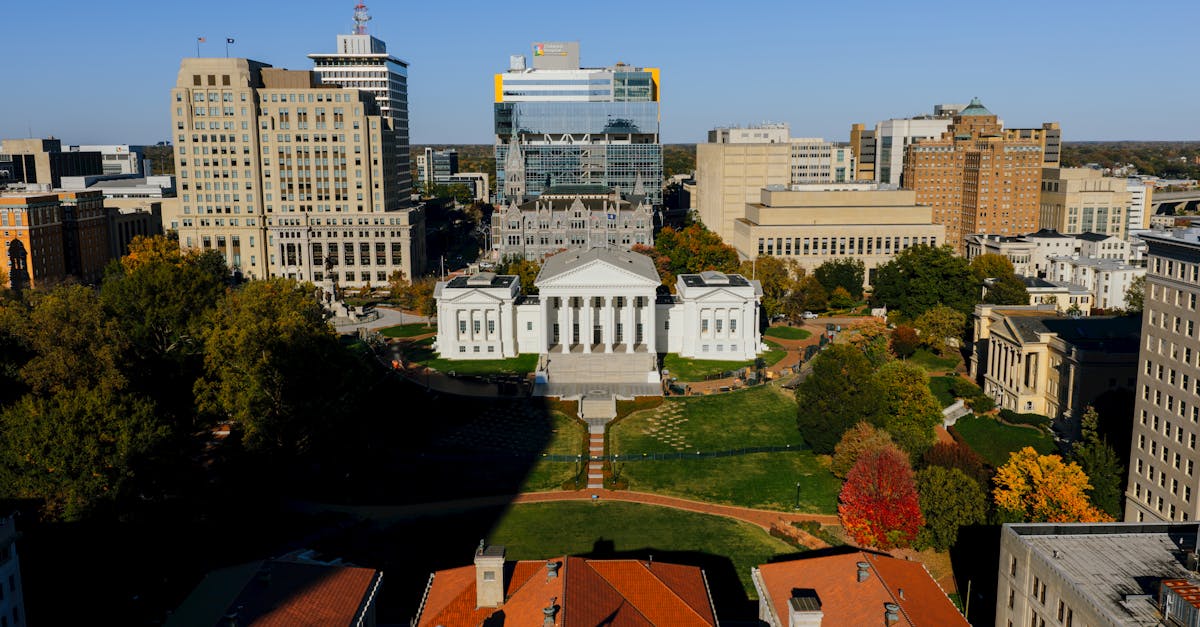
Virginia Governor Glenn Youngkin came into office in 2022 after a campaign heavy on culture war issues like parents' rights in schools and opposition to certain teachings. Over four years, he turned those promises into real changes in Virginia's education system, from expanding school choice to fixing learning losses from the pandemic. These moves happened in Richmond, the state capital, as his single term wrapped up in early 2026.
Background
Youngkin won the governor's race by tapping into debates over school policies. He spoke out against what he called divisive concepts in classrooms and stressed giving parents more say. Right away, his team worked to shift how schools operated. They focused on getting kids back in classrooms full time after COVID-19 shutdowns. Virginia ranked near the bottom, 46th out of 50 states, in reopening schools when he started. His administration pushed bipartisan laws to address that. They set up tutoring programs, lab schools, and more career training. Teacher pay got a big lift too, up nearly 20% with state help. Vacancies dropped over 35%. The state now leads the country in recovering math scores lost during the pandemic and in cutting chronic absenteeism, where kids miss too many days.
Teachers and schools saw other shifts. Cell phone bans spread across the state to keep focus in class. Dual enrollment grew, letting high school kids take college courses. Every high school student now has access. Lab schools, run with colleges, local districts, and businesses, opened 15 sites to blend real-world skills with learning. Charters and special governor's schools got easier approvals, with the first new one since 2009.
Key Details
Youngkin's latest big move came in December 2025. Virginia became the first state to join the federal Education Freedom Tax Credit program. This starts in January 2027. It lets people and companies get a dollar-for-dollar tax break up to $1,700 for donating to scholarships for K-12 kids. Families can use the money for private school tuition, tutoring, therapies for kids with disabilities, or other help—even if the child goes to public school.
School Choice and Funding Push
The governor sent a letter to the U.S. Treasury listing eight groups to handle the scholarships. Two are based in Virginia, six are national. This builds on his push against one-size-fits-all schooling.
“Virginia is proud to lead the nation once again as the first state to opt in to the Education Freedom Tax Credit,” said Governor Glenn Youngkin. “This decision expands school choice for families across the Commonwealth by opening access to federally tax credit-funded scholarships, empowering parents and helping ensure students, especially those with the greatest needs, can choose the learning environment that is right for them.”
His final budget talk to lawmakers in January 2026 highlighted these wins. He noted four out of five high school grads now leave with a credential or certificate for jobs. The budget adds $544 million more for schools, hitting a record $22.8 billion. Early childhood gets $23.8 billion total. Teacher bonuses of 2% hit this year, with raises planned ahead. School building grants jump nearly $300 million to $519 million over two years. Higher ed funding rises $434 million to $7.8 billion, with extras for nursing programs and aid for veterans' families.
Not everyone agrees. The Virginia Education Association pointed to cuts in the budget. They say over $200 million less goes to K-12 due to enrollment drops and lottery changes. Federal funds for school improvement end, cutting staff at a key office. A state study from 2023 found billions in unmet needs for public schools. The group calls for steady funding, not one-time bonuses, especially with Democrats taking full control of the legislature.
What This Means
These changes could give more families options beyond local public schools. Low-income parents might now afford tutoring or private spots for kids who need them. Public schools get competition, which backers say raises quality. Math gains and fewer absences show early results from tutoring and attendance pushes. Teacher raises and fewer vacancies mean steadier classrooms.
But critics worry public schools lose out. Budget trims hit as enrollment dips, and less state help for struggling schools could strain them. With Democrats leading the assembly and a new governor soon, the budget faces rewrites. They want more reliable money for fully staffed schools. School choice grows nationally too, tied to federal tax breaks under President Trump. Virginia's early jump in could draw more donors and families shifting schools. Long term, it tests if choice boosts all kids or widens gaps. Four years of Youngkin's focus leaves a system with more paths, higher standards, and ongoing debates over funding and fairness.